
28 Days of Black Excellence: The Proven Framework from History's Money Makers to Today's BuyBlack Movement

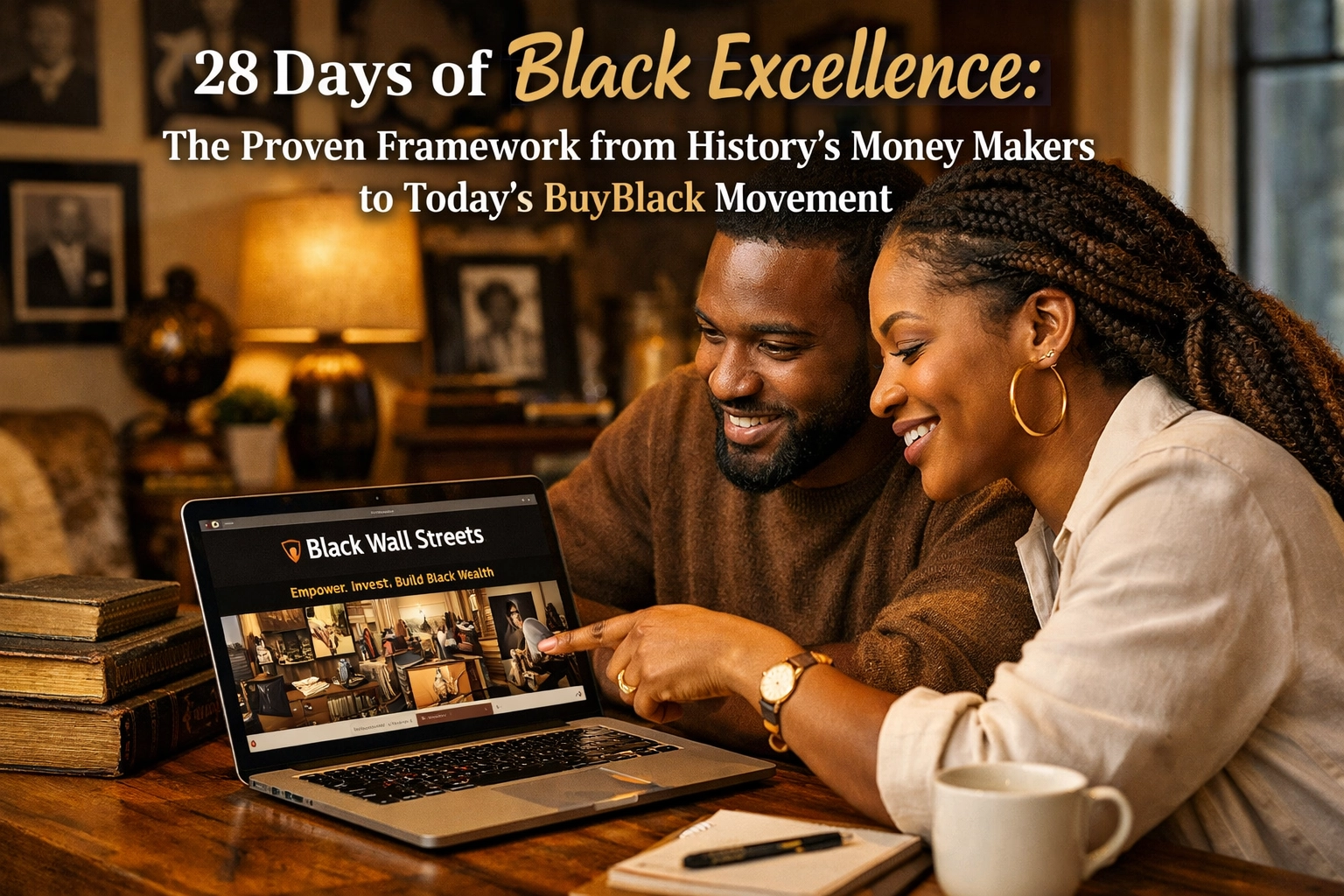
February isn't just about celebrating Black history, it's about understanding the economic blueprint that's been hiding in plain sight for over a century. While most people are posting about famous figures, we're diving into the money moves that built empires and how you can apply them to the BuyBlack movement happening right now.
Here's the thing: every successful Black entrepreneur from the past left behind a framework. A pattern. A strategy that worked then and works even better today. So for the next 28 days, we're breaking down the real lessons from history's money makers and showing you exactly how they connect to shopping Black-owned in 2026.
The Framework That Changed Everything
Before we get into the heavy hitters, let's talk about what made these pioneers different. They didn't wait for permission. They didn't wait for the "perfect time." They saw a need in their community, filled it, and reinvested their profits back into Black wealth. Sound familiar? That's literally what the BuyBlack movement is doing today at blackwallstreets.store.
The framework has always been simple: Build. Support. Circulate. Repeat.

Madam C.J. Walker: The OG of Direct-to-Consumer
Let's start with the queen herself. Born Sarah Breedlove in 1867 to formerly enslaved parents, Madam C.J. Walker became America's first female self-made millionaire. But here's what they don't teach you in school, her real genius was understanding her market.
Walker didn't just sell hair products. She built a network of over 20,000 sales agents (mostly Black women), trained them, paid them well, and created an entire ecosystem of Black economic empowerment. She went direct to her customers, built trust, and kept the money circulating within the community.
The Modern Money Move: When you shop at Black-owned stores today, you're doing exactly what Walker's customers did, supporting direct-to-consumer Black businesses that keep wealth in our community. Every purchase on platforms dedicated to Black entrepreneurs is a vote for economic independence.
A.G. Gaston: The Master of Meeting Needs
Arthur George Gaston started with nothing in 1920s Birmingham, Alabama, and built a business empire worth over $130 million. His secret? He paid attention to what his community needed and couldn't get elsewhere. A burial insurance company for Black families. A business college. A motel where Black travelers could stay during segregation.
Gaston's motto was simple: "Find a need and fill it." He understood that Black dollars were leaving the community because there weren't enough Black-owned options. So he created them.
The Modern Money Move: This is the core of BuyBlack. When you choose a Black-owned clothing brand, bookstore, or tech company, you're filling the need Gaston talked about. You're ensuring that Black businesses have the customer base to not just survive, but thrive and expand.
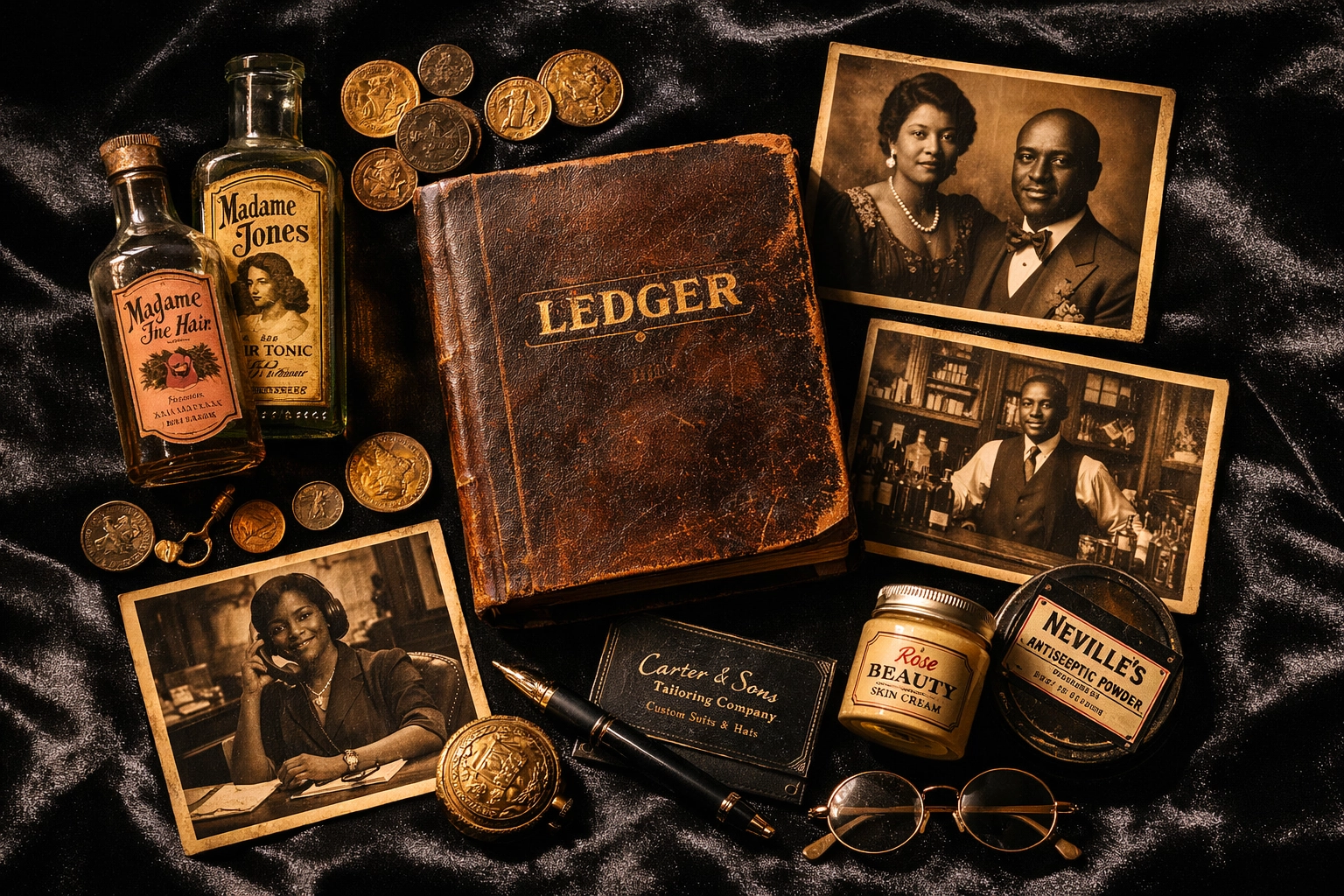
Maggie Lena Walker: Banking on Community Power
In 1903, Maggie Lena Walker became the first Black woman to charter a bank in the United States. The St. Luke Penny Savings Bank wasn't just about storing money, it was about creating access to capital for Black businesses and homeowners who were being denied loans everywhere else.
Walker understood something crucial: economic power comes from controlling your own financial institutions. She encouraged every member of her community to save and invest, no matter how small the amount.
The Modern Money Move: While we might not all be starting banks, we can be intentional about where we spend. When you BuyBlack consistently, you're giving Black businesses the revenue they need to scale, hire more employees, and yes: even get better access to funding. Financial institutions pay attention to businesses with strong, loyal customer bases.
John H. Johnson: Media as Economic Engine
John H. Johnson borrowed $500 using his mother's furniture as collateral and turned it into a publishing empire. Ebony and Jet magazines weren't just about representation (though that mattered): they were about creating a media platform that attracted Black consumers and convinced major advertisers that Black buying power was real and significant.
Johnson proved that Black consumers were a market worth billions. He showed corporations that we had money to spend and wanted quality products marketed to us with respect.
The Modern Money Move: Your purchasing decisions today send the same message. When Black-owned businesses show strong sales numbers, it attracts investors, partners, and opportunities. Every time you intentionally BuyBlack, you're casting a vote that gets counted in boardrooms and investment meetings.
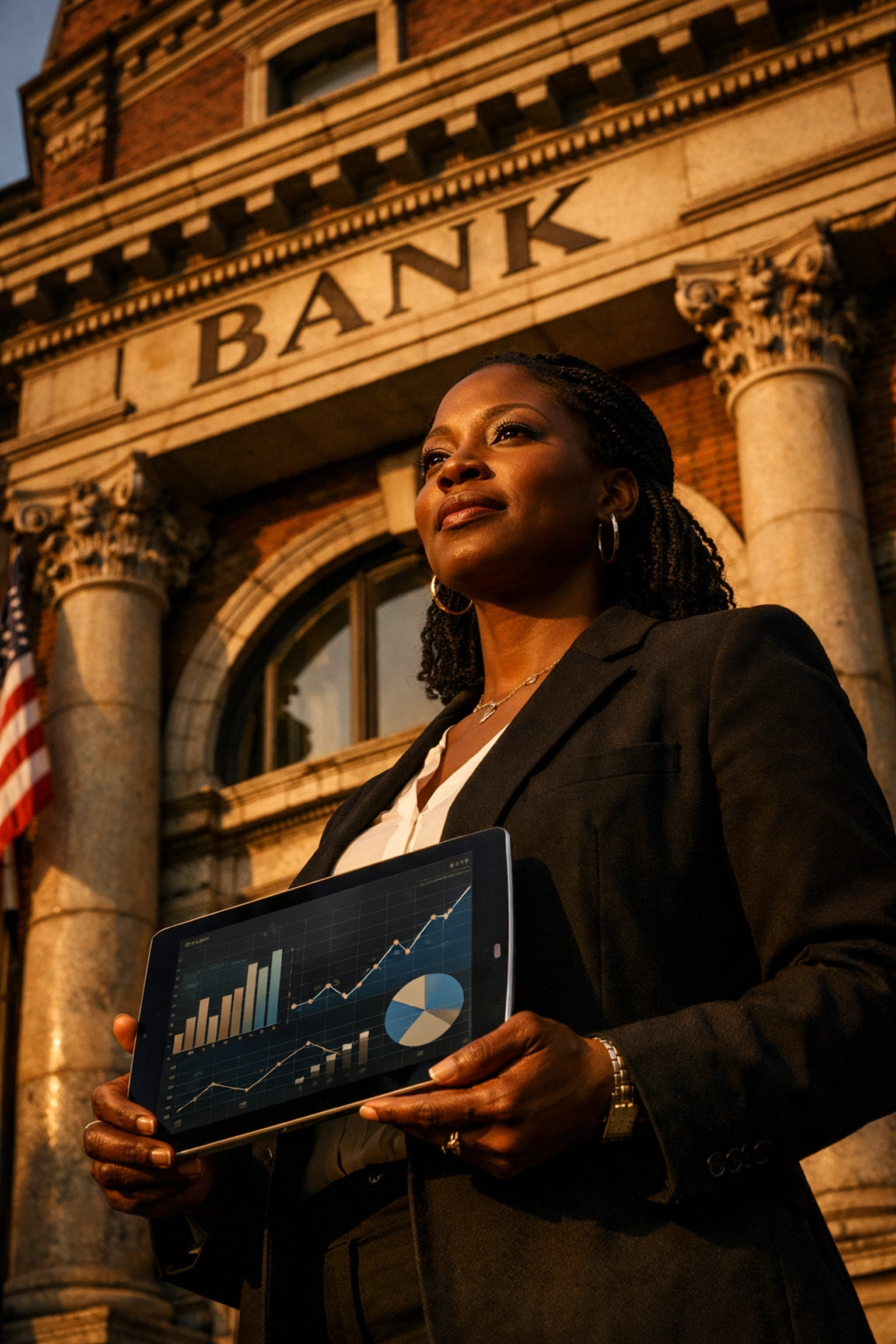
The Compound Effect: Why 28 Days Matters
Here's where it gets interesting. If just 10,000 people committed to spending $100 at Black-owned businesses each month, that's $1 million circulating in our community monthly. Over a year? $12 million. The math isn't complicated: it's just a matter of commitment.
February's 28 days serve as a focused challenge: Can you be intentional about where your money goes? Can you make BuyBlack a habit, not just a hashtag?
Studies show it takes about 21 days to form a habit. These 28 days are your training ground for building a BuyBlack lifestyle that extends far beyond February.
How to Apply the Framework Today
Day 1-7: Audit Your Spending
Look at where your money's been going. Groceries, clothing, entertainment, tech, home goods. For every category, find at least one Black-owned alternative.
Day 8-14: Make the Switch
Start replacing your regular purchases with Black-owned options. Shop blackwallstreets.store for everything from fashion to home goods. Download apps that help you find Black-owned restaurants, services, and retailers in your area.
Day 15-21: Share the Knowledge
Tell your friends. Post about the businesses you discover. Write reviews. The network effect is real: when you support visibly, others follow.
Day 22-28: Commit Long-Term
This is where the framework becomes lifestyle. Plan your next month's purchases. Subscribe to Black-owned brands. Set reminders to choose Black-owned first.
The Legacy Continues
The framework our ancestors built wasn't complicated: it was consistent. They showed up for each other economically, even when (especially when) the odds were stacked against them. They understood that every dollar spent was a brick in the foundation of Black wealth.
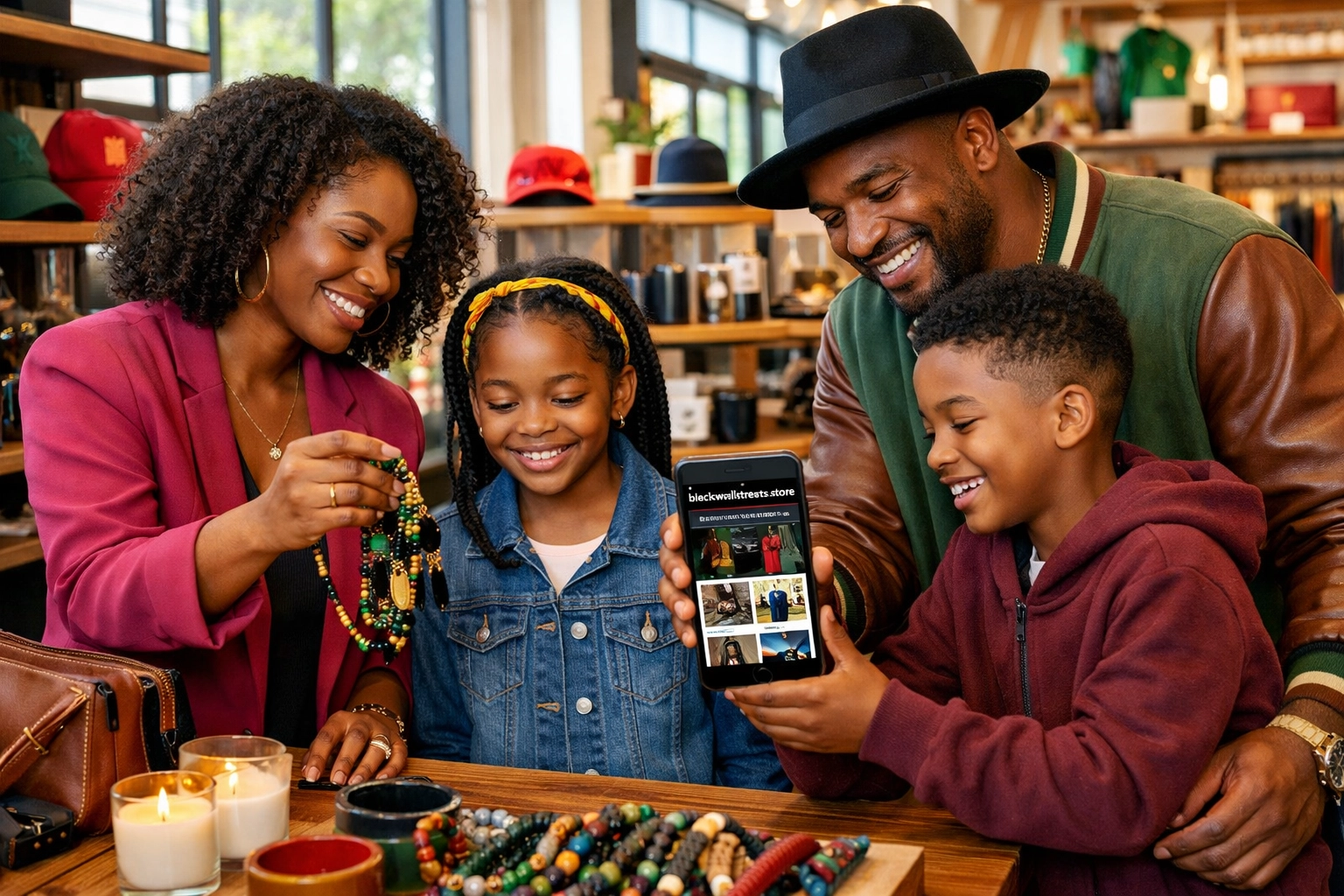
Today, platforms like blackwallstreets.store make it easier than ever to BuyBlack. You don't have to search all over the internet or drive across town. Black-owned businesses from across the country are right there, ready to earn your support.
The money makers of history left us more than inspiring stories: they left us a blueprint. Build businesses that serve your community. Support those businesses consistently. Keep the money circulating. Repeat until wealth becomes generational.
This February, don't just learn about Black excellence. Fund it. Support it. Be part of the framework that's building the next generation of Black wealth.
Because when you BuyBlack, you're not just making a purchase; you're making history.