
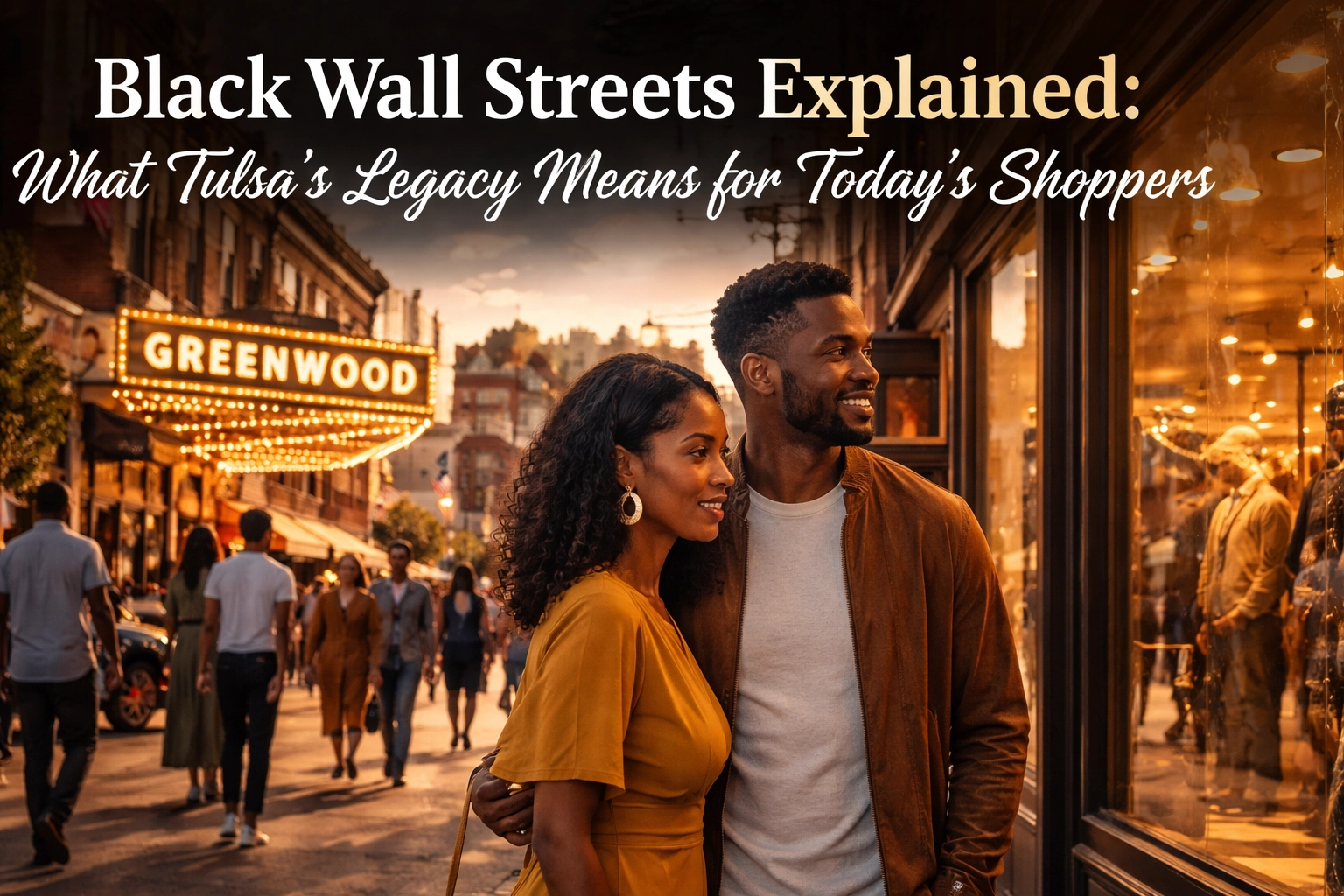
Black Wall Streets Explained: What Tulsa's Legacy Means for Today's Shoppers

You've probably heard the term "Black Wall Street" thrown around in conversations about Black history, economic empowerment, or maybe even while scrolling through social media. But do you really know the full story behind it? And more importantly, do you know why it still matters every time you decide where to spend your hard-earned money?
Let's break it down. No fluff, no textbook talk: just the real history and why it connects directly to how we shop, support, and build wealth in our communities today.
The Original Black Wall Street: A Community That Built Itself
Back in the early 1900s, something incredible was happening in Tulsa, Oklahoma. In a 35-block area called the Greenwood District, Black Americans were building one of the wealthiest communities in the entire United States.
It all started in 1906 when an African American entrepreneur named O.W. Gurley purchased 40 acres of land and made a bold decision: he would sell exclusively to Black settlers. That single choice sparked a movement.
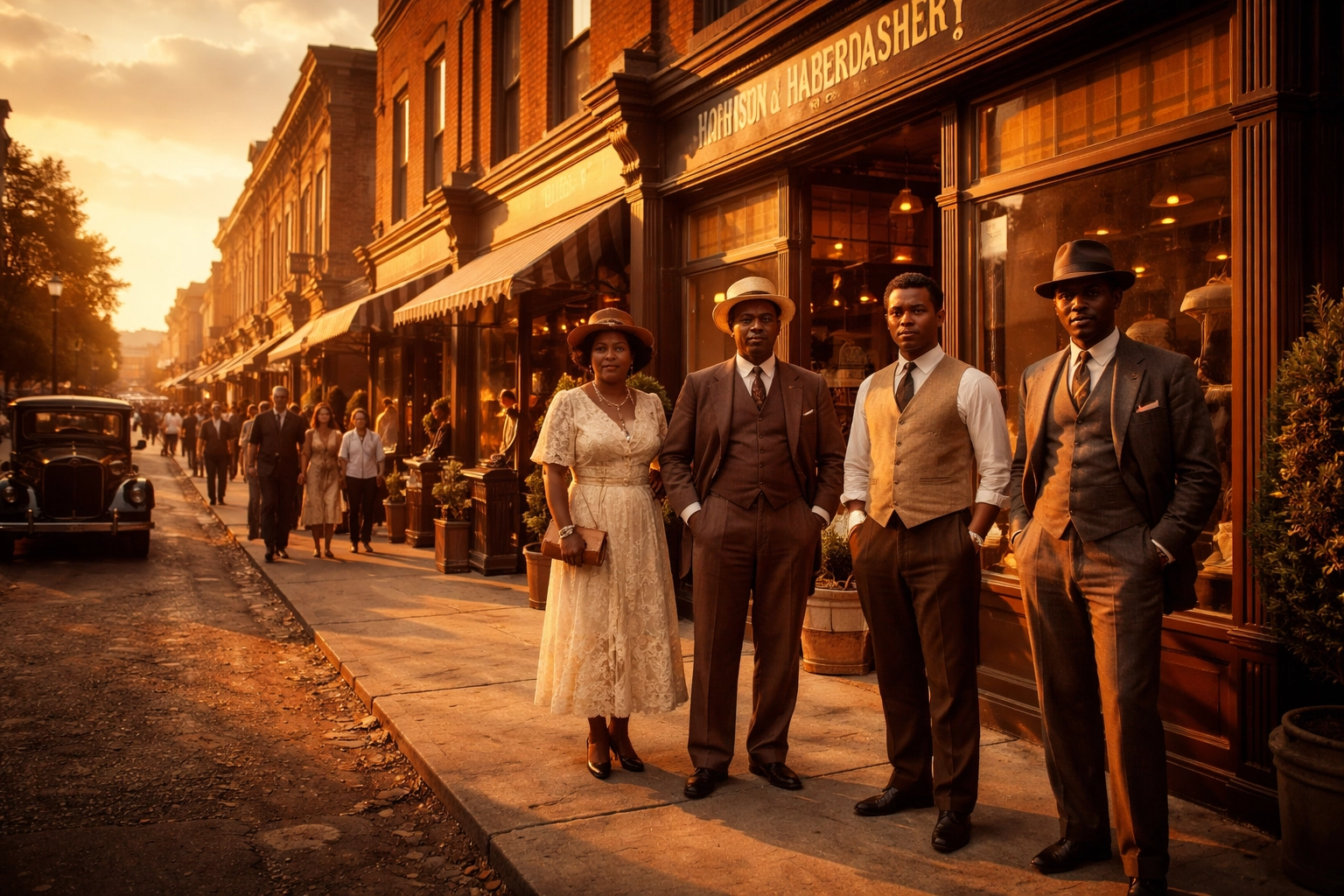
Within just a few years, Greenwood was thriving. We're talking grocery stores, movie theaters, hotels, restaurants, medical offices, dental practices, auto repair shops, newspapers, and nightclubs: all owned and operated by Black entrepreneurs. The community was so economically powerful that a dollar circulated within Greenwood 36 to 100 times before it ever left the neighborhood.
Think about that for a second. Money stayed in the community. It built homes. It sent kids to school. It created generational opportunities.
By 1920, Tulsa's population had grown to nearly 100,000 residents, and Greenwood was booming thanks to the city's oil industry. Black doctors, lawyers, and business owners were living proof that economic independence was possible: even in a country that tried everything to hold them back.
The Day It All Burned Down
Here's where the story takes a painful turn.
On May 31, 1921, white mobs attacked the Greenwood District. Over the course of two days, they burned 35 city blocks to the ground. They destroyed 1,256 homes and approximately 190 businesses. Around 10,000 people were left homeless overnight. An estimated 300 people lost their lives, and over 800 were injured.
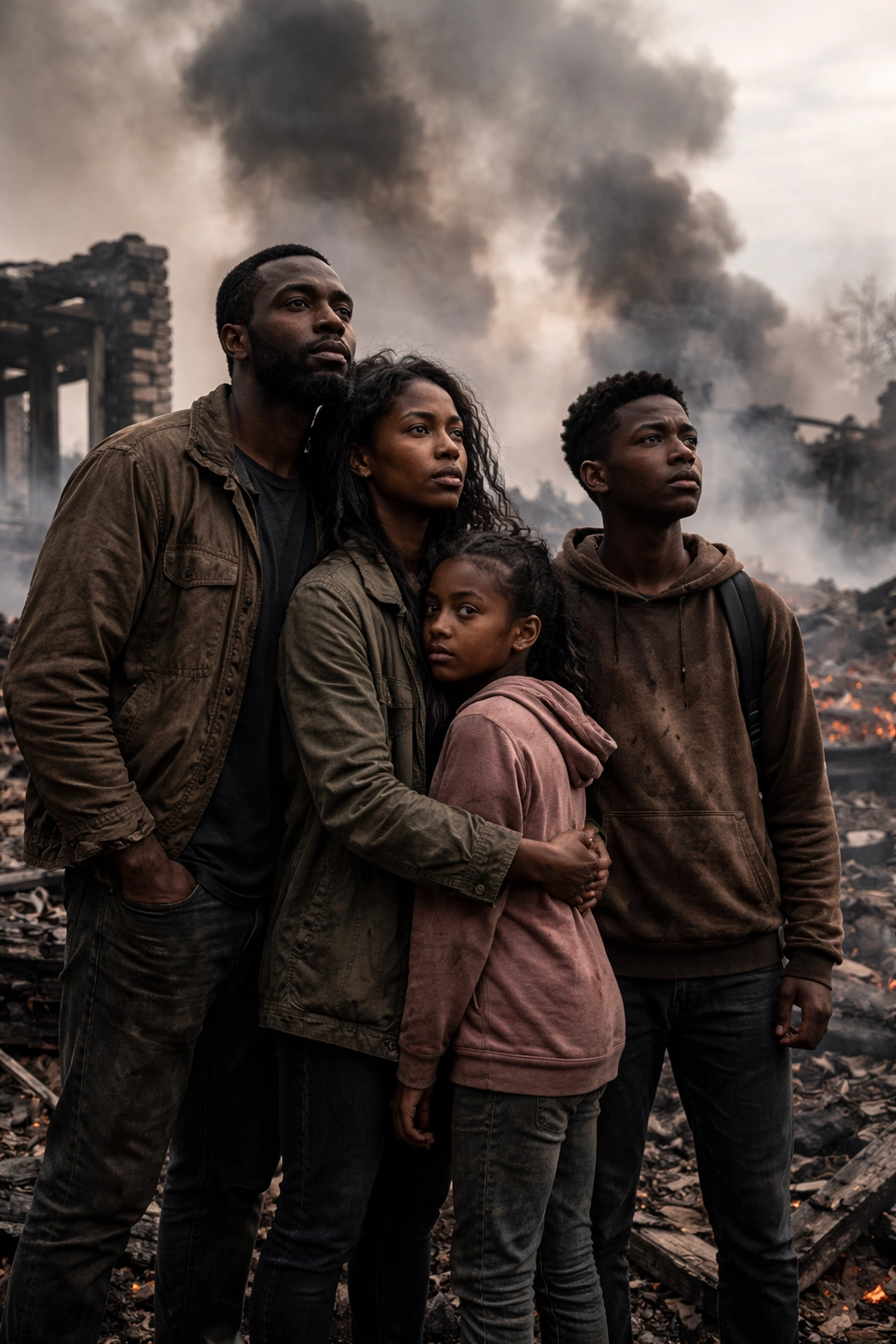
The property loss? Equivalent to about $31 million in today's dollars. And here's what hurts even more: survivors and their descendants never received reparations. Not a single check. Not a single piece of land returned. Just a limited scholarship fund decades later.
Why did this happen? Historians point to one major reason: resentment. White residents in Tulsa couldn't stand watching Black people succeed. They saw Black economic progress as a threat. They didn't want to see Black families living well, owning businesses, and building wealth.
So they destroyed it.
The Resilience That Followed
But here's the thing about Black communities: we rebuild. We always have.
By 1925, just four years after the massacre, the National Negro Business League held its annual meeting in Tulsa's partially restored Greenwood District. By 1942, over 200 Black businesses were operating in the area again.
That resilience? That determination to keep building no matter what? That's in our DNA.
Unfortunately, the Greenwood District never fully recovered to its original glory. Urban renewal projects and interstate highway construction in later decades cut through the heart of the community. Economic integration, while positive in many ways, also meant that Black dollars started flowing into businesses outside the neighborhood: reducing the circulation that had made Greenwood so powerful in the first place.
Why This History Matters Every Time You Shop
So what does a 100-year-old neighborhood in Tulsa have to do with your shopping habits today?
Everything.

The original Black Wall Street proved something powerful: when we circulate our dollars within our own community, we build wealth. We create jobs. We fund education. We lift each other up.
But here's the reality in 2026: Black consumers spend over $1.7 trillion annually, yet only about 2% of that goes back to Black-owned businesses. That means 98% of our spending power is building someone else's dream.
Imagine if we could shift even a fraction of that back into our own communities. Imagine if every purchase you made: whether it's a candle, a t-shirt, or a piece of jewelry: went directly to a Black entrepreneur trying to build something for their family.
That's not just shopping. That's economic activism.
How The Black Wall Streets Continues This Legacy
This is exactly why The Black Wall Streets exists.
We're not just an online store. We're a modern-day marketplace built on the same principles that made Greenwood great. Our mission is simple: make it easy for you to discover, support, and shop from Black-owned businesses all in one place.
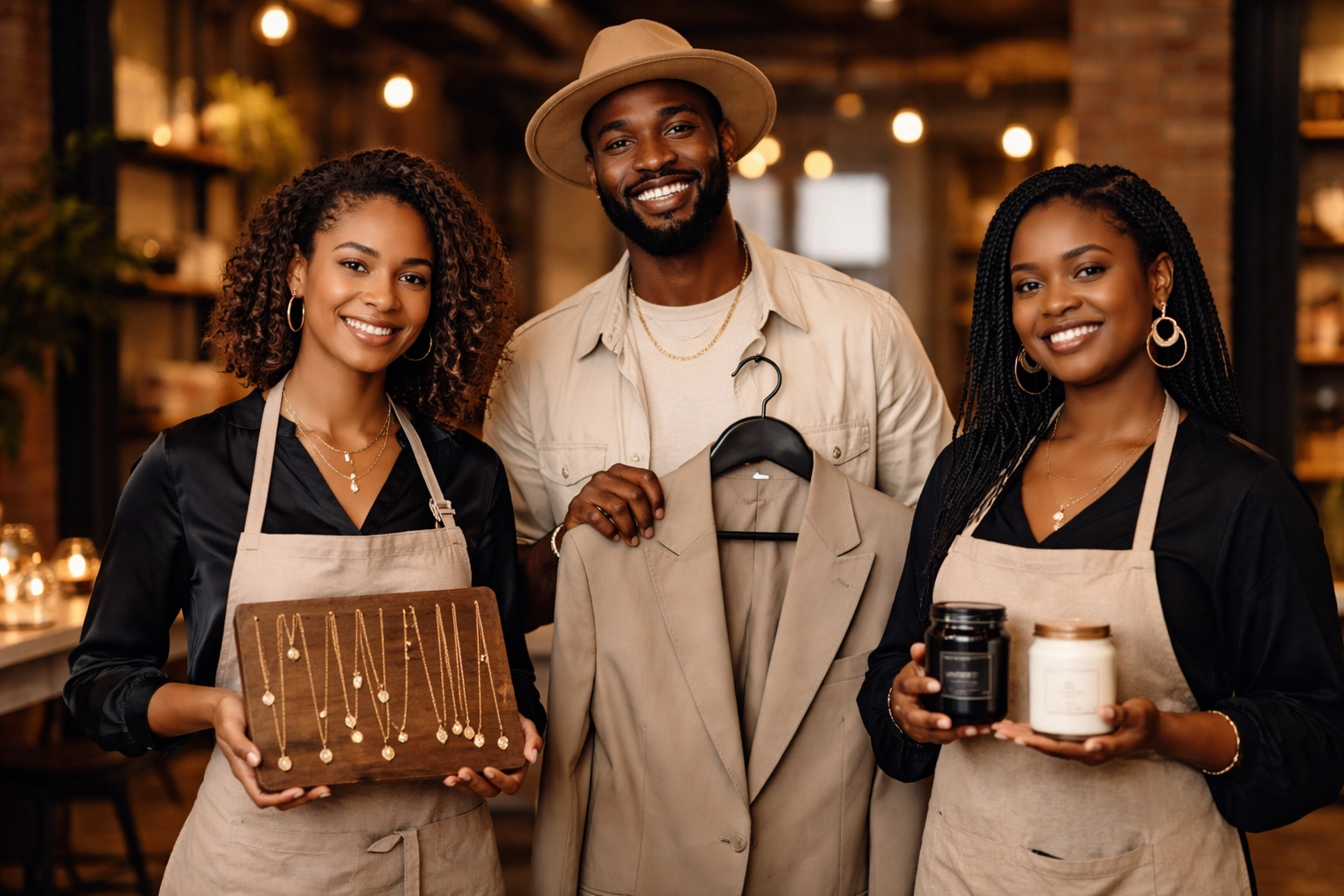
Think of us as the digital Greenwood District. Instead of walking down a street lined with Black-owned shops, you're scrolling through a curated marketplace filled with products from entrepreneurs who look like you, who understand your culture, and who are pouring their hearts into their craft.
From jewelry and accessories to home goods, apparel, and more: every purchase you make on our platform is a direct investment in a Black-owned business.
No middlemen taking the biggest cut. No algorithms hiding Black creators. Just real products from real entrepreneurs building real wealth.
How You Can Be Part of the Movement
Supporting the legacy of Black Wall Street doesn't require you to do anything drastic. It just requires intention. Here are a few simple ways to get started:
1. Shop with purpose. Before you buy something online, ask yourself: "Can I find this from a Black-owned business?" Chances are, you can. And platforms like blackwallstreets.store make it easy to find what you need.
2. Spread the word. Found a product you love from a Black entrepreneur? Share it. Post about it. Tell your friends and family. Word of mouth is still one of the most powerful marketing tools out there.
3. Think long-term. Building generational wealth isn't about one purchase: it's about consistent support over time. Make shopping Black-owned a habit, not a one-time thing during Black History Month.
4. Educate others. Share the history of Black Wall Street with your kids, your coworkers, your community. When people understand why this matters, they're more likely to take action.
The Future We're Building Together
The Greenwood District showed us what's possible when Black dollars stay in Black hands. It showed us that we have the talent, the drive, and the vision to build thriving economies: even when the odds are stacked against us.
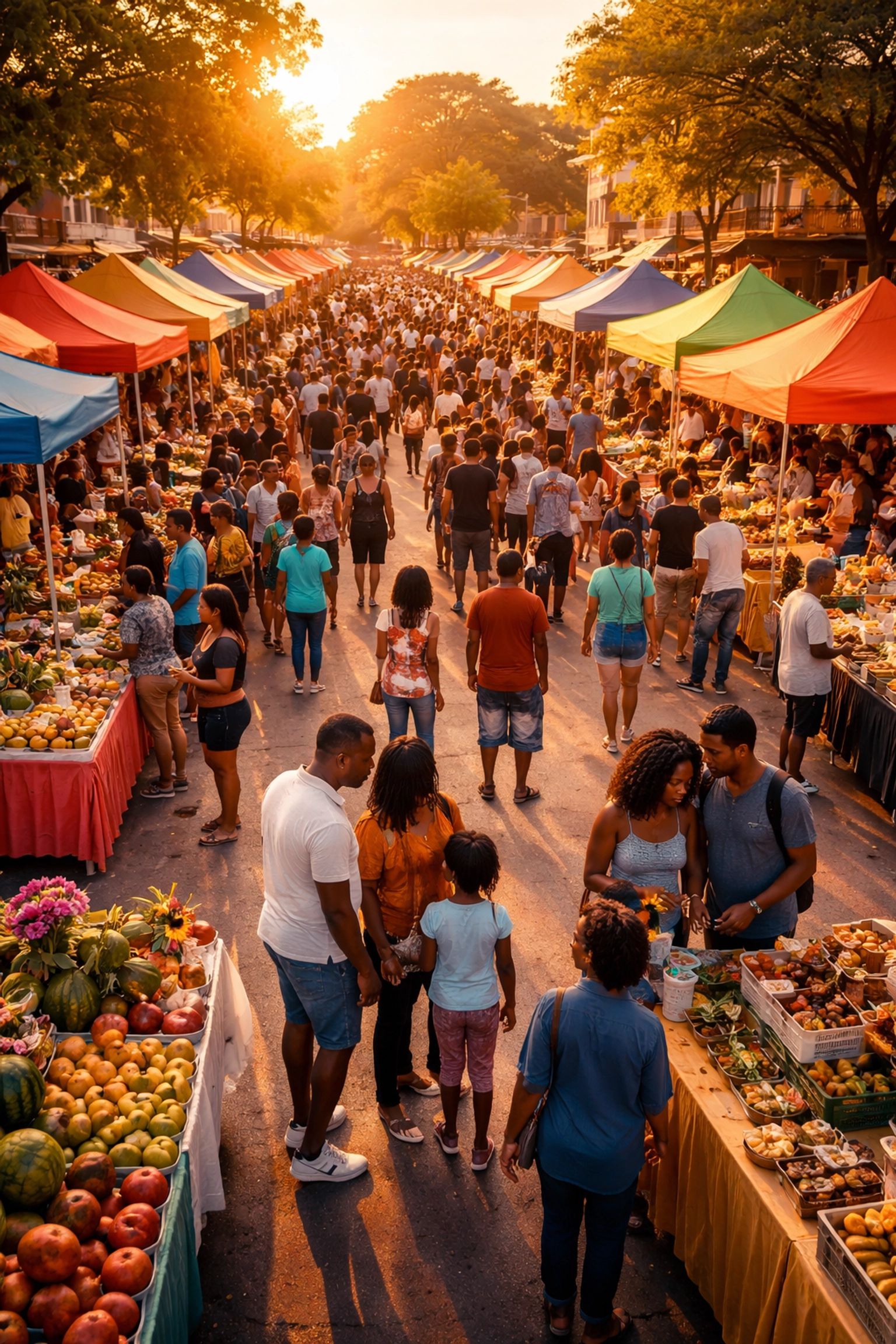
Today, we have tools our ancestors could only dream of. We have the internet. We have e-commerce. We have social media. We have the ability to connect with Black-owned businesses from coast to coast with just a few clicks.
The question isn't whether we can rebuild Black Wall Street. The question is whether we will.
Every time you choose to shop from a Black-owned business, you're casting a vote. You're saying, "I believe in us. I believe in our ability to build wealth. I believe in continuing the legacy that Greenwood started over 100 years ago."
That's powerful. And that's exactly what we're doing at The Black Wall Streets: one purchase, one entrepreneur, one community at a time.
Ready to be part of the movement? Start exploring today at blackwallstreets.store and see how easy it is to shop with purpose.