
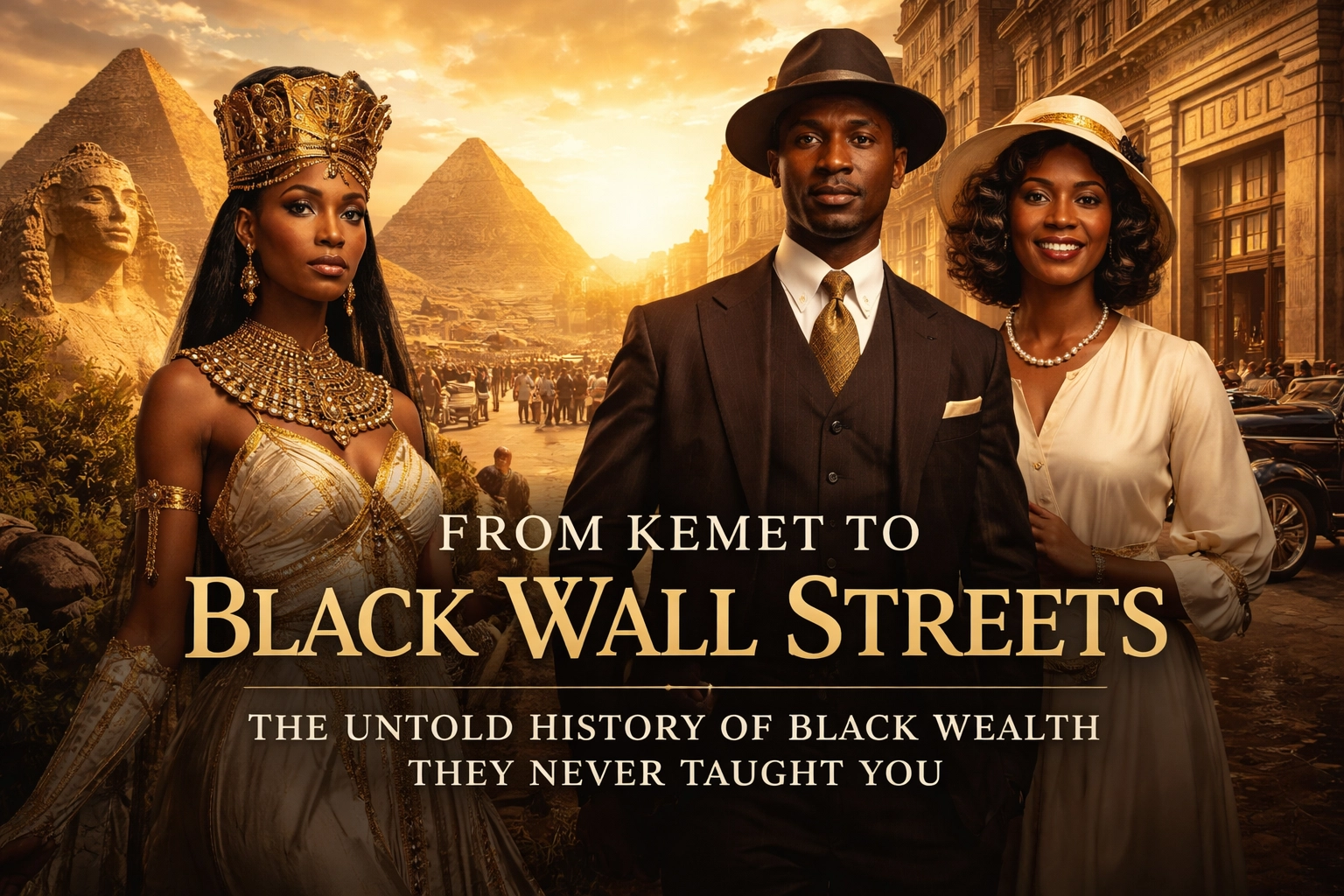
From Kemet to Black Wall Streets: The Untold History of Black Wealth They Never Taught You

Let's be real for a second.
The history books they handed us in school? They left out a whole lot. They skipped over the empires. They glossed over the innovation. They conveniently forgot to mention that Black people were building wealth, creating trade networks, and running entire civilizations thousands of years before anyone tried to tell us we couldn't.
Today, we're taking it back to the beginning, Ancient Kemet, and tracing the line all the way to Black Wall Street and beyond. Because understanding where we come from is the first step to building where we're going.
And that's exactly what we're doing at Blackwallstreets.store.
Before There Was Wall Street, There Was Kemet
Did you know? Long before the Greeks, Romans, or any European empire rose to power, there was Kemet, what we now call Ancient Egypt. And yes, it was a Black African civilization.
Kemet wasn't just pyramids and pharaohs (though those are iconic). It was one of the most advanced economic systems the ancient world had ever seen. We're talking:
- Gold mining operations that made Kemet one of the wealthiest nations on the planet
- International trade routes spanning Africa, the Mediterranean, and the Middle East
- A sophisticated banking system where grain was stored and used as currency
- Master craftsmen and artisans whose jewelry, textiles, and goods were sought after across continents
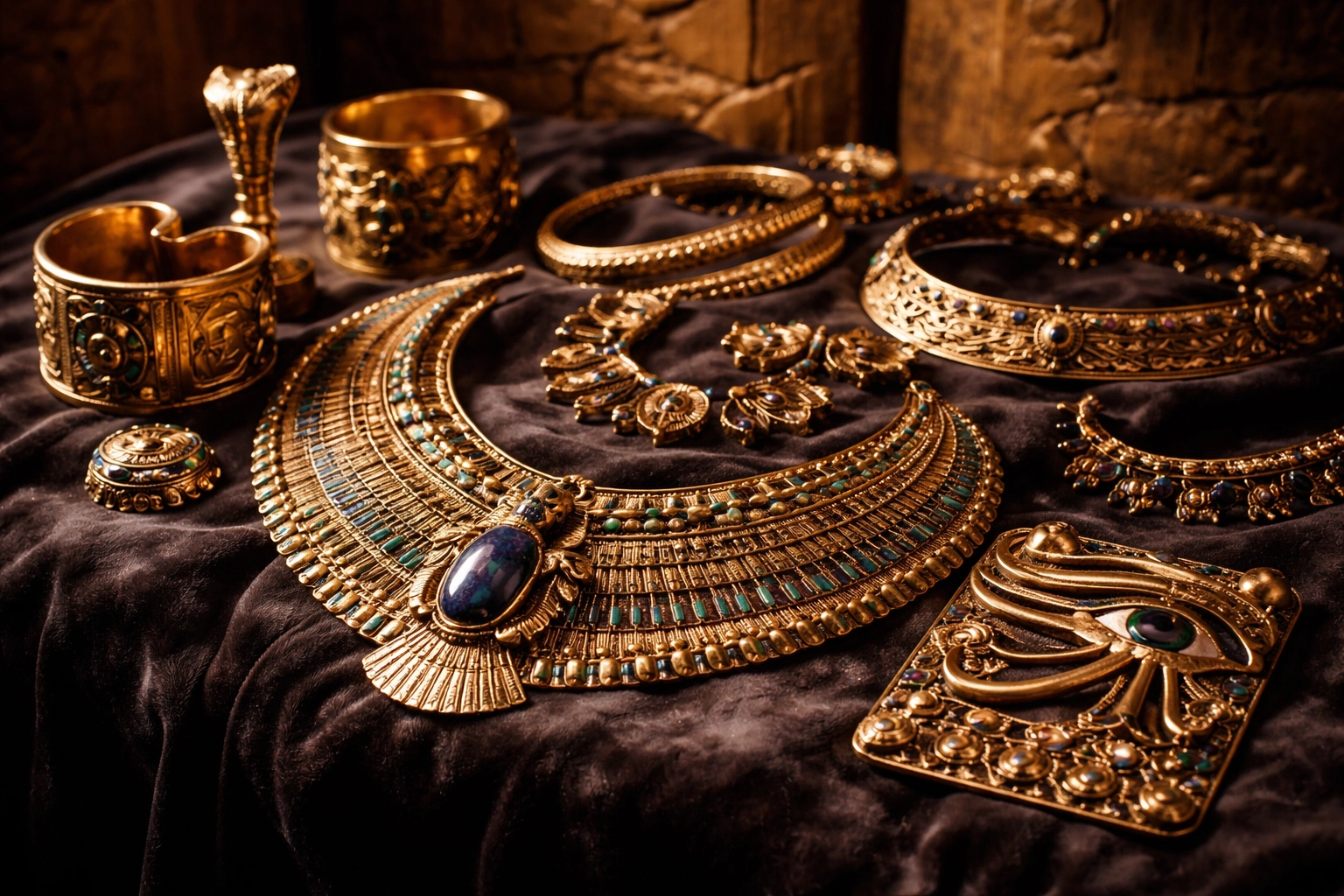
The Kemetic people understood something powerful: wealth isn't just about money, it's about resources, community, and circulation. They built systems where goods flowed, skills were valued, and the community prospered together.
Sound familiar? It should. Because that same philosophy was reborn thousands of years later in a little district in Tulsa, Oklahoma.
The Rise of Black Wall Street
Fast forward to the early 1900s. America was deep in the Jim Crow era. Segregation was the law. Black folks were told where they could eat, where they could sit, and where they could spend their money.
But in 1906, a man named O.W. Gurley saw opportunity where others saw oppression.
Gurley, a wealthy Black entrepreneur from Arkansas, purchased over 40 acres of land in Tulsa and did something revolutionary, he sold it exclusively to other Black people. His vision? A self-sustaining community led by Black entrepreneurs, for Black people.
And it worked. Oh, did it work.
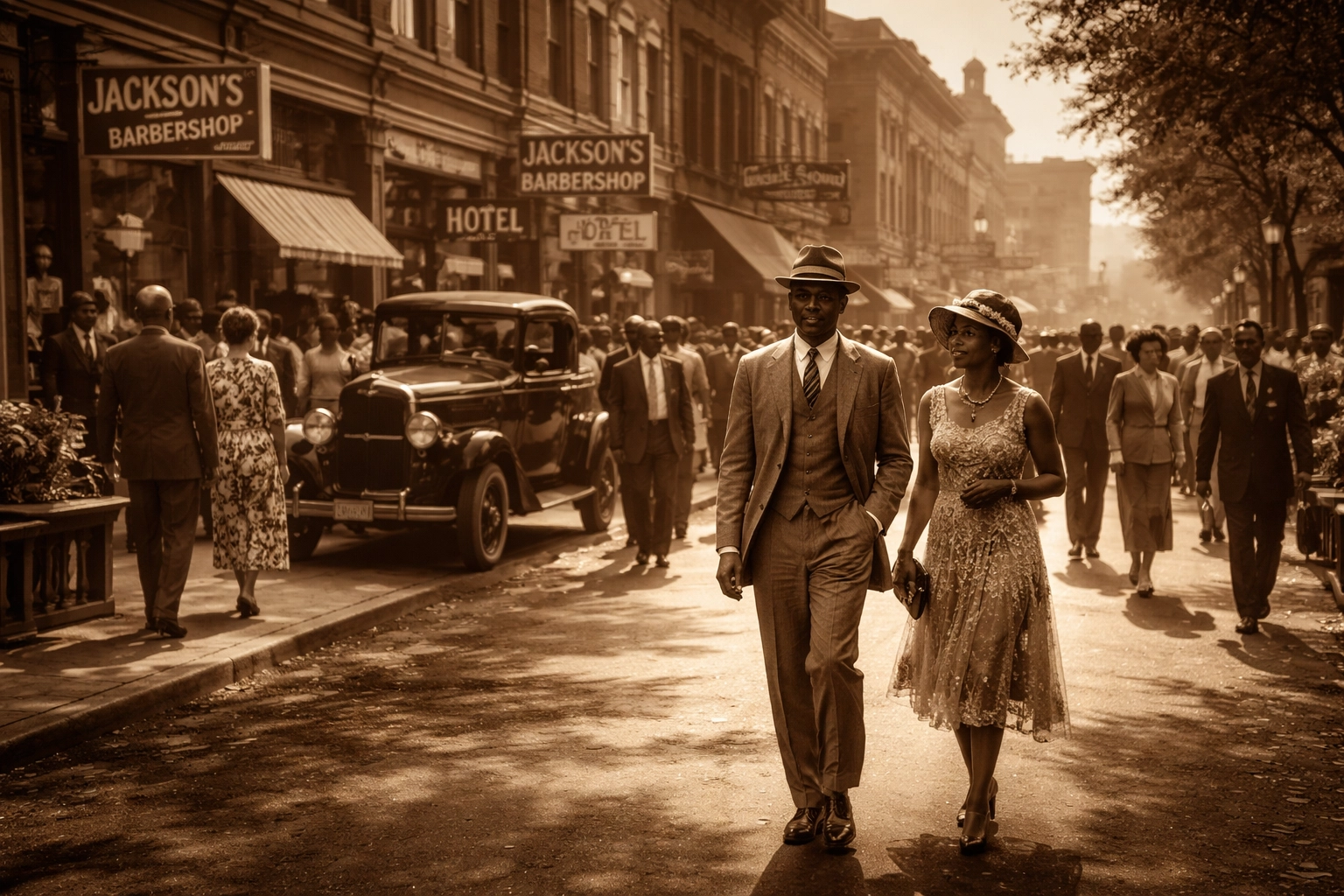
By the 1920s, the Greenwood District, nicknamed "Black Wall Street", was one of the most prosperous Black communities in the entire United States. We're talking:
- Over 190 Black-owned businesses
- Hotels, theaters, doctors' offices, law firms
- A hospital, a bank, and a bus system
- Homes that rivaled anything in white Tulsa
The secret? The dollar circulated within the community. Because Black residents couldn't shop at white-owned stores, every dollar spent went right back into Black hands. One dollar would circulate 36 times before leaving Greenwood. That's economic power.
The Destruction They Don't Want You to Remember
Here's the part they definitely didn't put in your textbook.
On May 31 and June 1, 1921, white mobs attacked the Greenwood District. What followed was one of the worst acts of racial violence in American history:
- An estimated 150–300 Black people killed
- 35 city blocks burned to the ground
- Over 10,000 Black residents left homeless
- Property damage estimated at $31 million (in today's dollars)
They used planes. They dropped bombs. They shot people in the streets. And then? The government helped cover it up for decades.
But here's what they couldn't destroy: the blueprint.
The people of Greenwood proved that when Black dollars stay in Black hands, entire communities rise. They proved that we don't need permission to build wealth, we just need each other.
The Blueprint Lives On: Today's Black Builders
The spirit of Black Wall Street didn't die in 1921. It's alive right now, in entrepreneurs across the country who are building, creating, and circulating wealth in their communities.
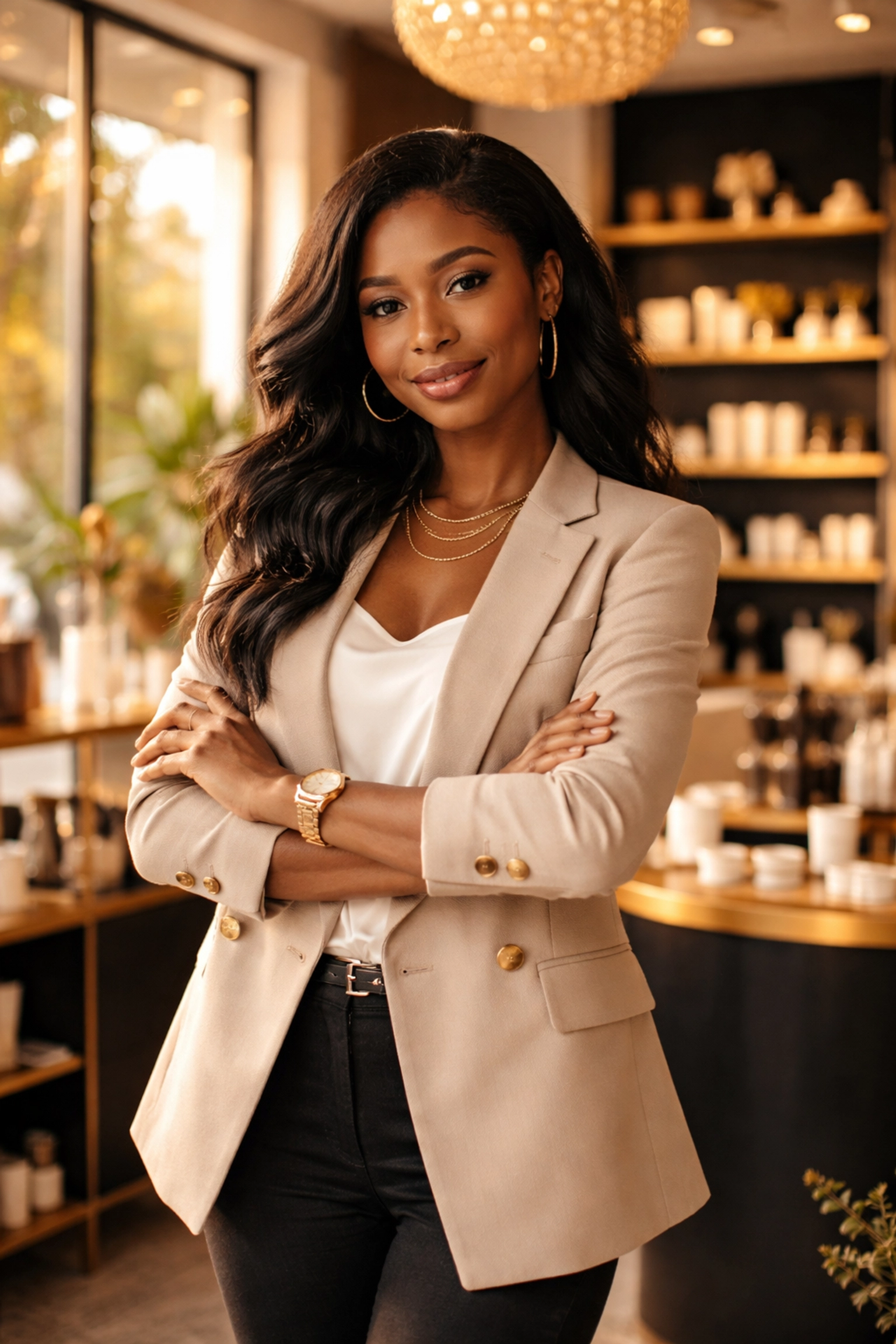
Take a look at what's happening today:
- Pinky Cole, founder of Slutty Vegan, turned a food truck into a multi-million dollar empire while keeping her business rooted in Atlanta's Black community
- Beatrice Dixon, co-founder of The Honey Pot Company, became the first Black woman to have a feminine care product line in every major retailer in the country
- Black-owned banks are on the rise, with institutions like OneUnited Bank helping Black families build generational wealth
These modern builders are doing exactly what O.W. Gurley did, creating ecosystems where Black excellence can thrive.
And that's exactly why Blackwallstreets.store exists.
Why This Matters Right Now
Let's bring it home.
Every time you spend a dollar at a Black-owned business, you're participating in a tradition that goes back thousands of years. You're honoring the traders of Kemet. You're rebuilding what they burned down in Greenwood. You're investing in the future of our community.
Here's a quick fact: Studies show that a dollar circulates in Black communities for only 6 hours before leaving. In white communities? 20 days.
That gap? That's what we're here to close.
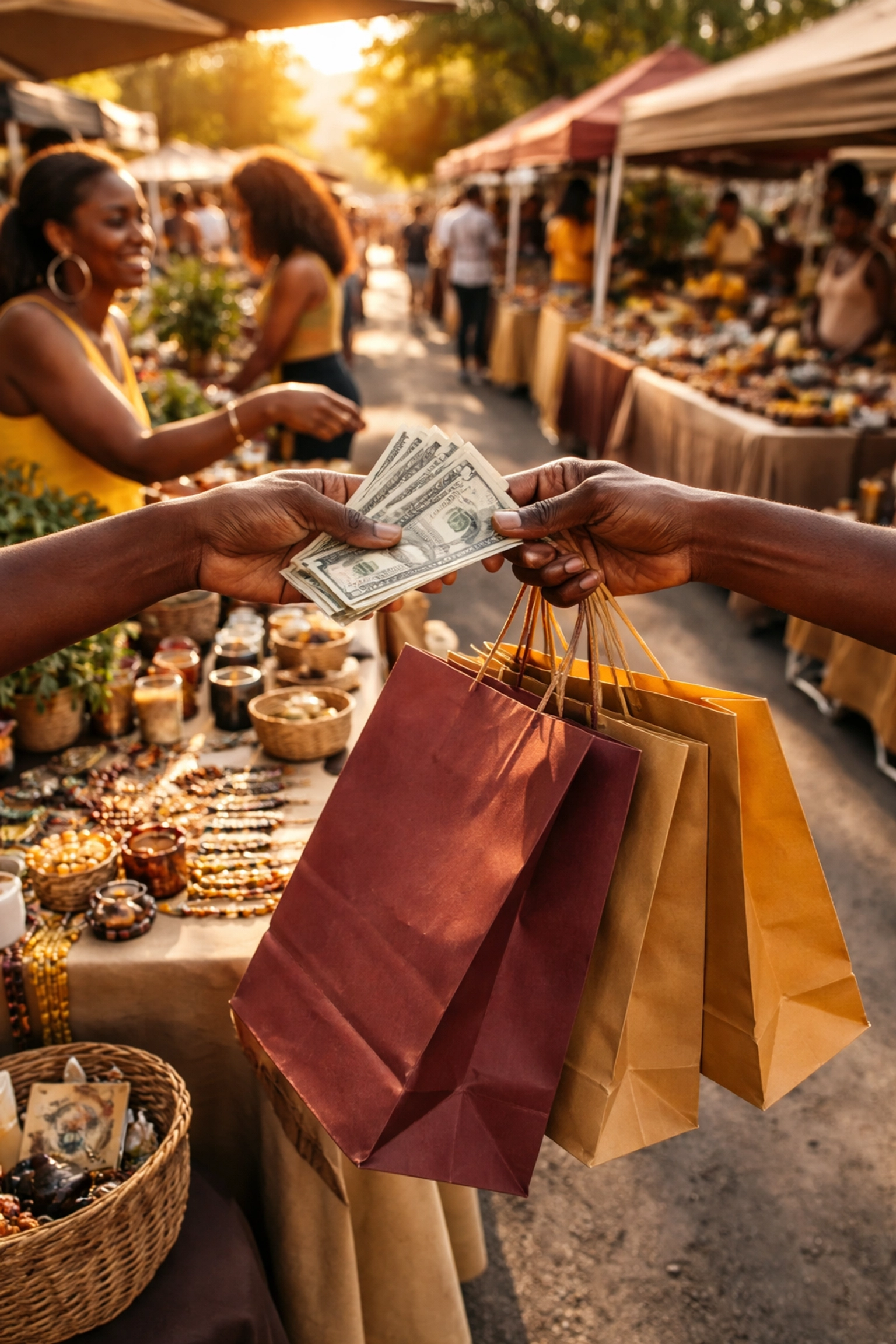
At Blackwallstreets.store, we've created a marketplace where you can discover, support, and buy from Black-owned businesses across the country. From jewelry and accessories to everyday essentials, every purchase is a vote for Black economic power.
We're not just selling products. We're rebuilding the wall. Brick by brick. Dollar by dollar. Together.
The Takeaway: Know Your History, Build Your Future
Here's what they never taught you:
- Black people have been building wealth since the dawn of civilization
- We created trade systems, banking, and commerce before Europe had running water
- Every time they've tried to tear us down, we've rebuilt stronger
- The blueprint for Black economic power has always been community
From Kemet to Greenwood to right now, the thread is the same. We rise when we support each other. We build when we circulate our dollars within our community. We win when we remember who we are.
So the next time someone tries to tell you that Black wealth is a "new" concept, you can let them know: We invented this.
Now let's keep building.
Ready to be part of the movement?
Explore Black-owned businesses, discover new products, and keep your dollars circulating in the community at Blackwallstreets.store.
Because when we buy Black, we build Black. And that's how we create the next Black Wall Street. ✊🏾