
Black Wall Street Secrets Revealed: How Black Entrepreneurs Are Rebuilding Economic Power Today

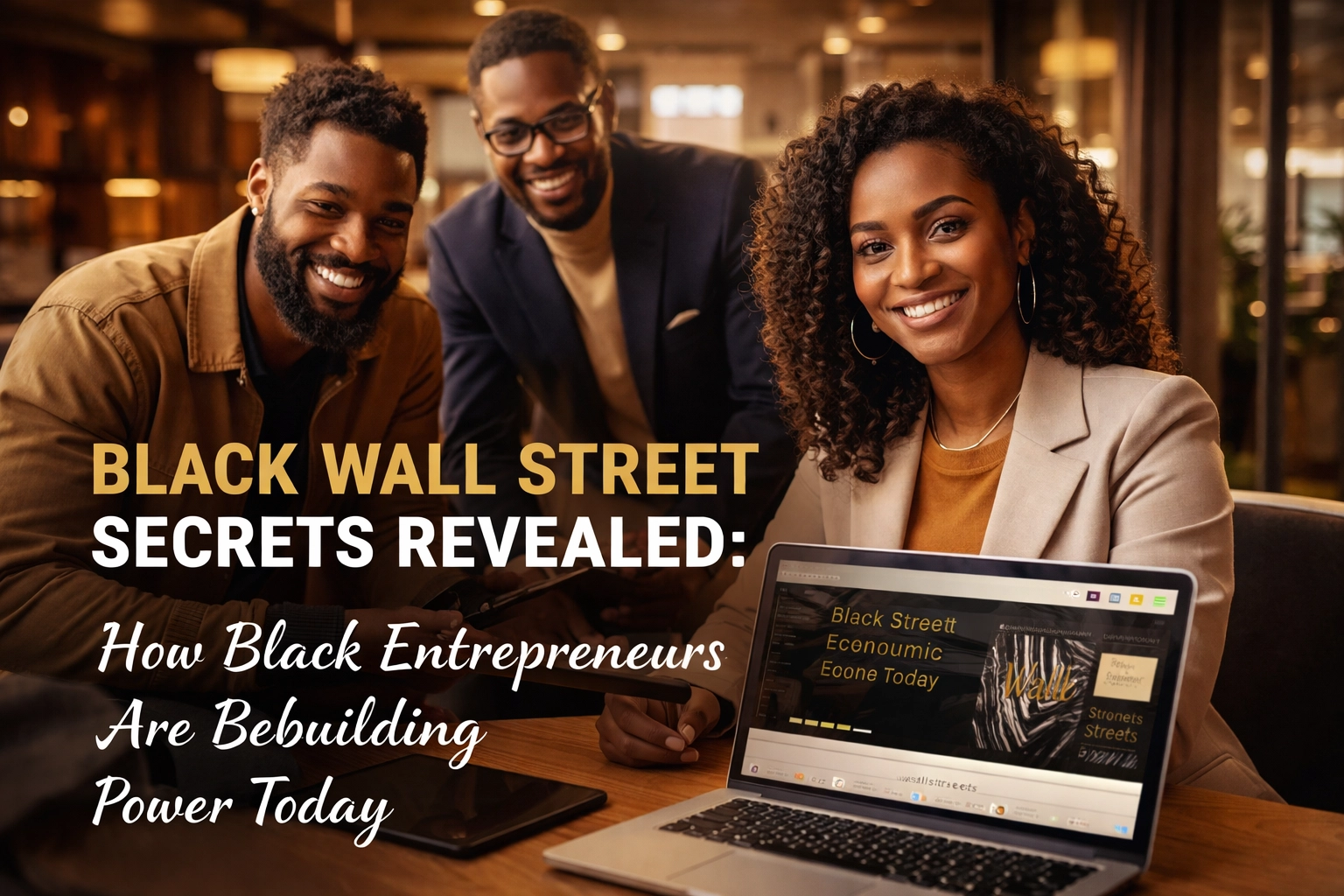
You've probably heard the name "Black Wall Street" before. Maybe in a documentary, a social media post, or a conversation about economic empowerment. But here's what most people don't realize: the spirit of Black Wall Street never died. It's alive right now, in the hands of Black entrepreneurs who are building, creating, and circulating wealth within our communities.
Let's dig into the history, uncover the lessons, and show you exactly how today's generation is carrying the torch forward.
The Original Black Wall Street: A Blueprint for Black Wealth
Back in 1906, a man named O.W. Gurley did something revolutionary. He purchased 40 acres of land in Tulsa, Oklahoma, and sold it exclusively to Black settlers. His vision? A self-sufficient community where Black dollars stayed in Black hands.
And it worked.
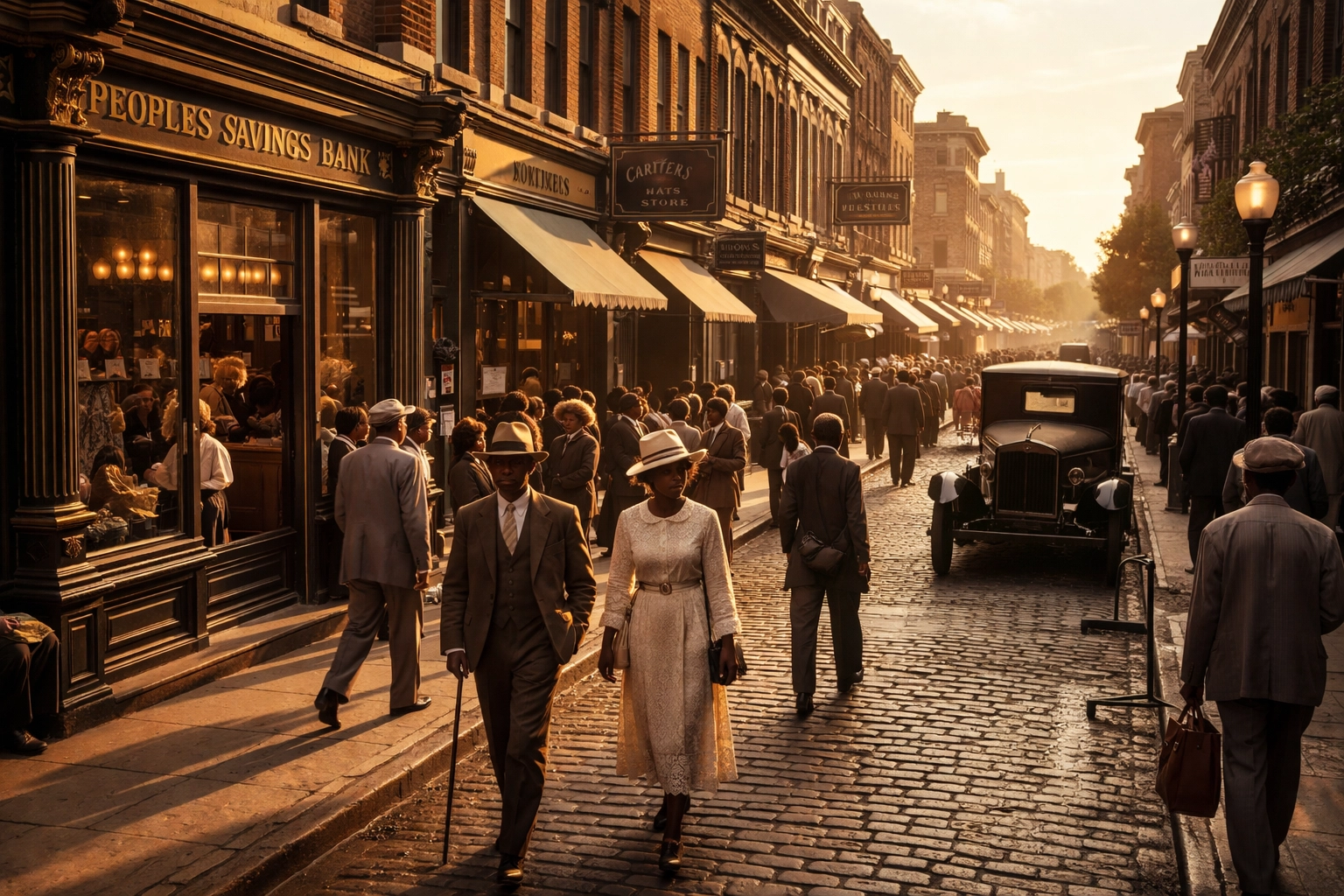
By 1920, the Greenwood District, nicknamed "Black Wall Street", had become one of the wealthiest Black communities in America. We're talking hotels, theaters, grocery stores, law offices, banks, and luxury goods. The community thrived because residents understood one simple principle: economic solidarity creates economic power.
The secret wasn't luck. It was intentional. Every dollar spent at a Black-owned business created jobs, funded education, and reinvested in the neighborhood. The money circulated multiple times before leaving the community.
That's the blueprint. And it still works today.
The Destruction They Tried to Bury
Here's the part of history that didn't make it into most textbooks.
On May 31, 1921, a false accusation against a Black man sparked one of the worst acts of racial violence in American history. Over two days, white mobs systematically destroyed 35 city blocks. They burned over 1,000 homes, leveled the entire business district, and killed an estimated 150 to 300 people.
Property losses? Estimated at $31 million in today's dollars. Insurance claims for African Americans? Denied. Every single one.
But here's the part that doesn't get enough attention: they rebuilt.
After the massacre, Greenwood residents came back. They rebuilt their businesses, their homes, and their community. By some accounts, the rebuilt Black Wall Street had even more businesses than before the destruction.
That resilience? That's in our DNA. And it's the same energy fueling today's movement to support black-owned businesses.
The Decline and the Lesson
The rebuilt Greenwood District thrived until the 1960s. Then, a combination of integration, urban renewal projects, and highway construction cut through the heart of the community. Black dollars started flowing outward instead of circulating within.
The lesson here isn't that integration was wrong. It's that economic solidarity must be intentional. When we stop being deliberate about where we spend, we lose the multiplier effect that made Black Wall Street powerful in the first place.
That's why the Buyblack movement matters more than ever.
Modern Black Wall Street: The Entrepreneurs Rebuilding Today
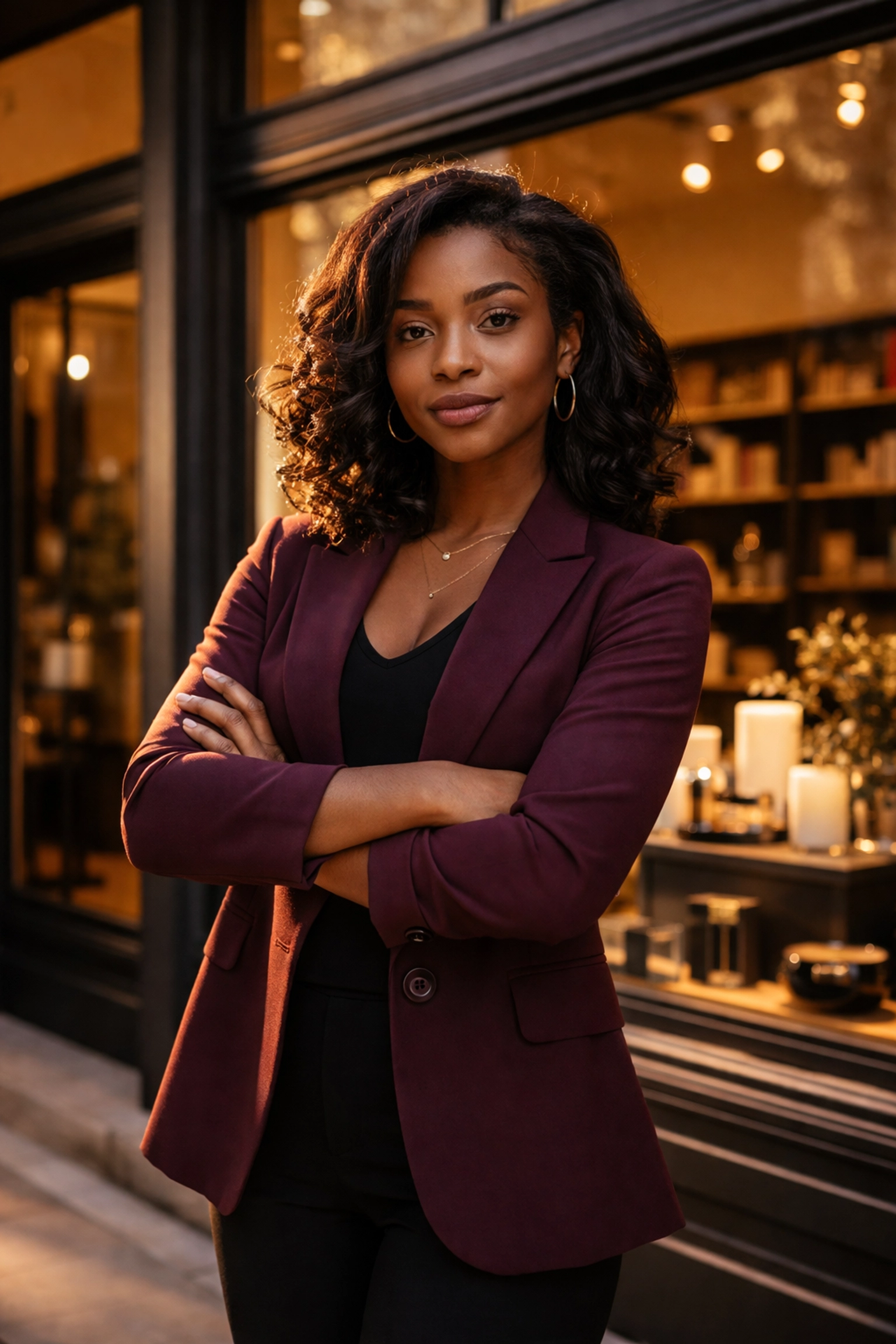
Fast forward to 2026. Black entrepreneurs are launching businesses at record rates. From luxury candle companies to black owned clothing brands, from tech startups to natural hair care lines, the new Black Wall Street isn't confined to one zip code. It's digital, it's global, and it's growing.
Here's what today's Black business owners understand:
1. E-commerce levels the playing field.
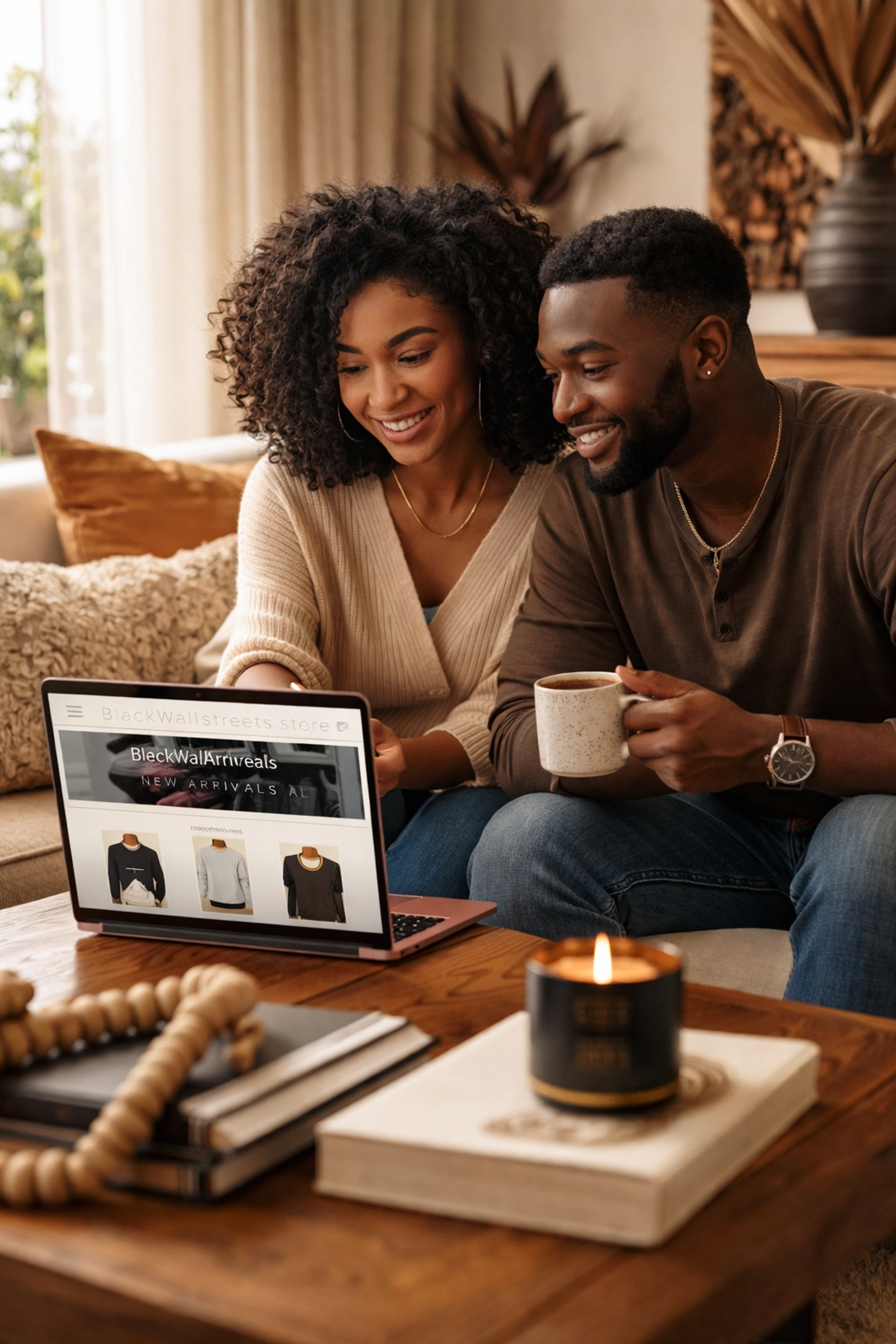
You don't need a storefront on a busy street corner anymore. A well-designed website and smart marketing can reach customers worldwide. Platforms like The Black Wall Streets make it easier than ever to discover and support black-owned businesses in one place.
2. Community support is the ultimate growth hack.
Word of mouth in the digital age moves fast. When someone shares a Black-owned brand they love, it creates a ripple effect. One post can turn a small business into a household name overnight.
3. Quality speaks louder than ever.
Today's Black entrepreneurs aren't asking for charity, they're competing on quality. Whether it's black hair products that actually work for 4c textures or black owned candle companies crafting luxury scents that rival high-end brands, the products speak for themselves.
How to Be Part of the Rebuilding
Supporting the movement doesn't require a huge budget or dramatic lifestyle changes. It's about small, consistent choices that add up over time.
Start with what you already buy.
Think about the products you purchase regularly. Candles? Hair care? Clothing? Accessories? Now ask yourself: could I find a Black-owned alternative?
Chances are, the answer is yes. And platforms like blackwallstreets.store make the search simple.
Make it a habit, not a hashtag.
The Buyblack movement isn't just for Black History Month or Juneteenth. It's a year-round commitment. Set a goal: maybe 25% of your purchases from Black-owned businesses: and track your progress.
Spread the word.
Found a brand you love? Tell people. Leave a review. Share on social media. Your recommendation could be the reason someone else discovers their new favorite product.
Think beyond products.
Supporting black-owned businesses isn't just about buying stuff. It's also about banking Black, investing in Black-owned ventures, and advocating for policies that support Black entrepreneurship.
The Ripple Effect of Every Purchase
Here's some real talk: when you support black owned businesses, you're not just buying a product. You're funding someone's dream. You're creating jobs in the community. You're proving that Black excellence has a market.
Studies show that a dollar circulates in the Black community for only about 6 hours before leaving. In other communities, that number can be weeks or even a month. Imagine if we could change that: even by a little.
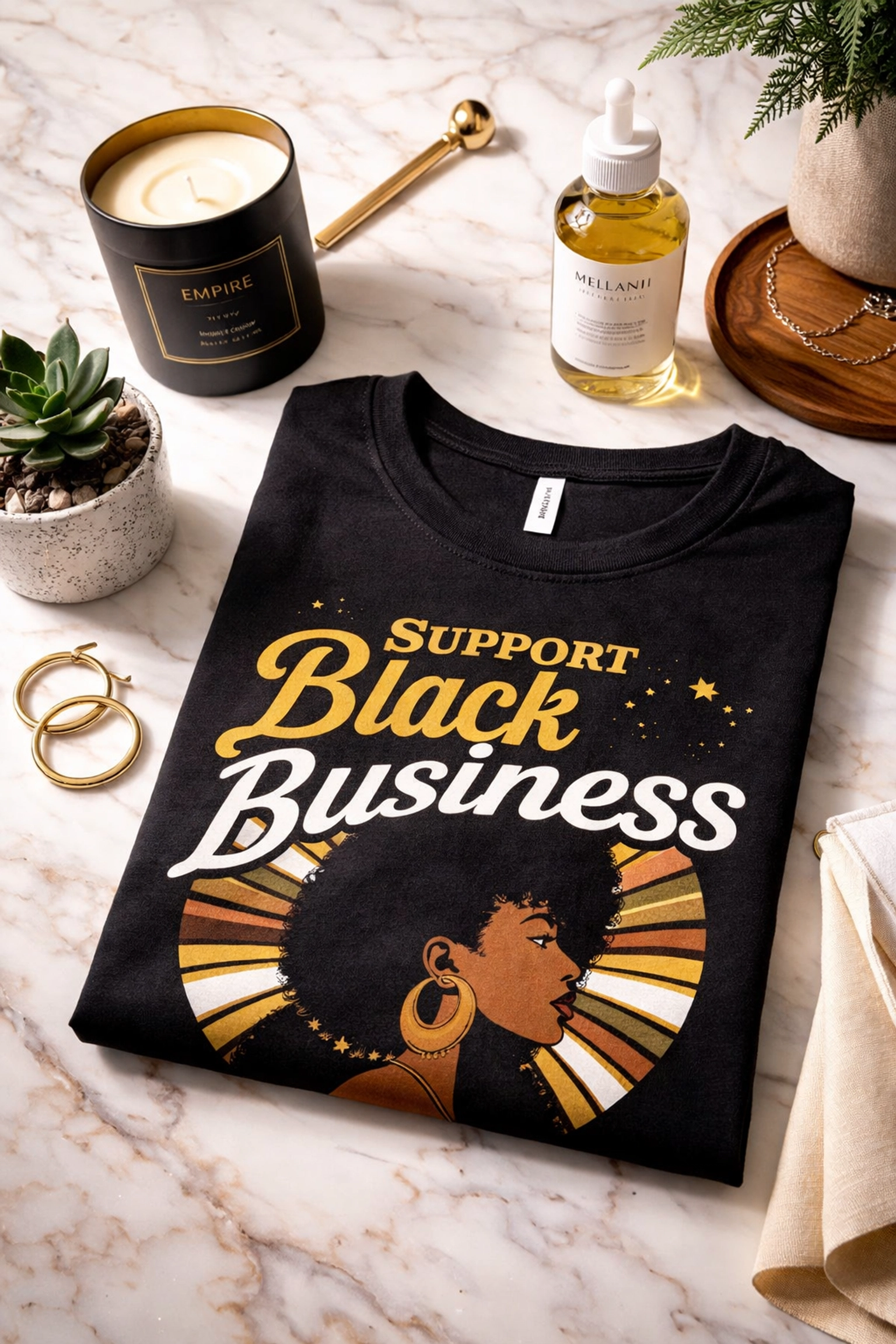
Every candle from a black owned candle company. Every outfit from black owned clothing brands. Every bottle of black hair products. It all adds up.
You become part of the new Black Wall Street every time you choose to Buyblack.
The Spirit Lives On
The original Black Wall Street was destroyed, but it was never defeated. The same determination that rebuilt Greenwood in 1921 is alive in every Black entrepreneur launching a Shopify store, every creative selling handmade goods, and every professional offering services to their community.
The difference today? We have tools our ancestors couldn't imagine. We have the internet, social media, and digital marketplaces that connect Black businesses with customers across the globe.
We also have something else: awareness. More people than ever understand why it matters to support black owned businesses. The history of Black Wall Street is finally being taught, discussed, and honored.
Now it's on us to turn that awareness into action.
Your Next Step
Ready to join the movement? Start by exploring what Black entrepreneurs are building right now. From luxury home décor to motivational apparel to beauty products made for us: there's something for everyone.
Visit The Black Wall Streets and discover Black-owned brands across every category. Browse the jewelry and accessories collection or explore what's new across the marketplace.
Every purchase is a vote for the kind of economy we want to build. Every share introduces someone new to a Black-owned brand. Every dollar circulated is a step toward rebuilding what was taken: and building something even greater.
The secrets of Black Wall Street aren't really secrets at all. They're principles: solidarity, intentionality, and mutual support.
The question is: are you ready to put them into practice?
Shop Black. Support Black. Build Black.