

7 Ancient Kemet Innovations That Prove Black Excellence Has Always Been the Standard

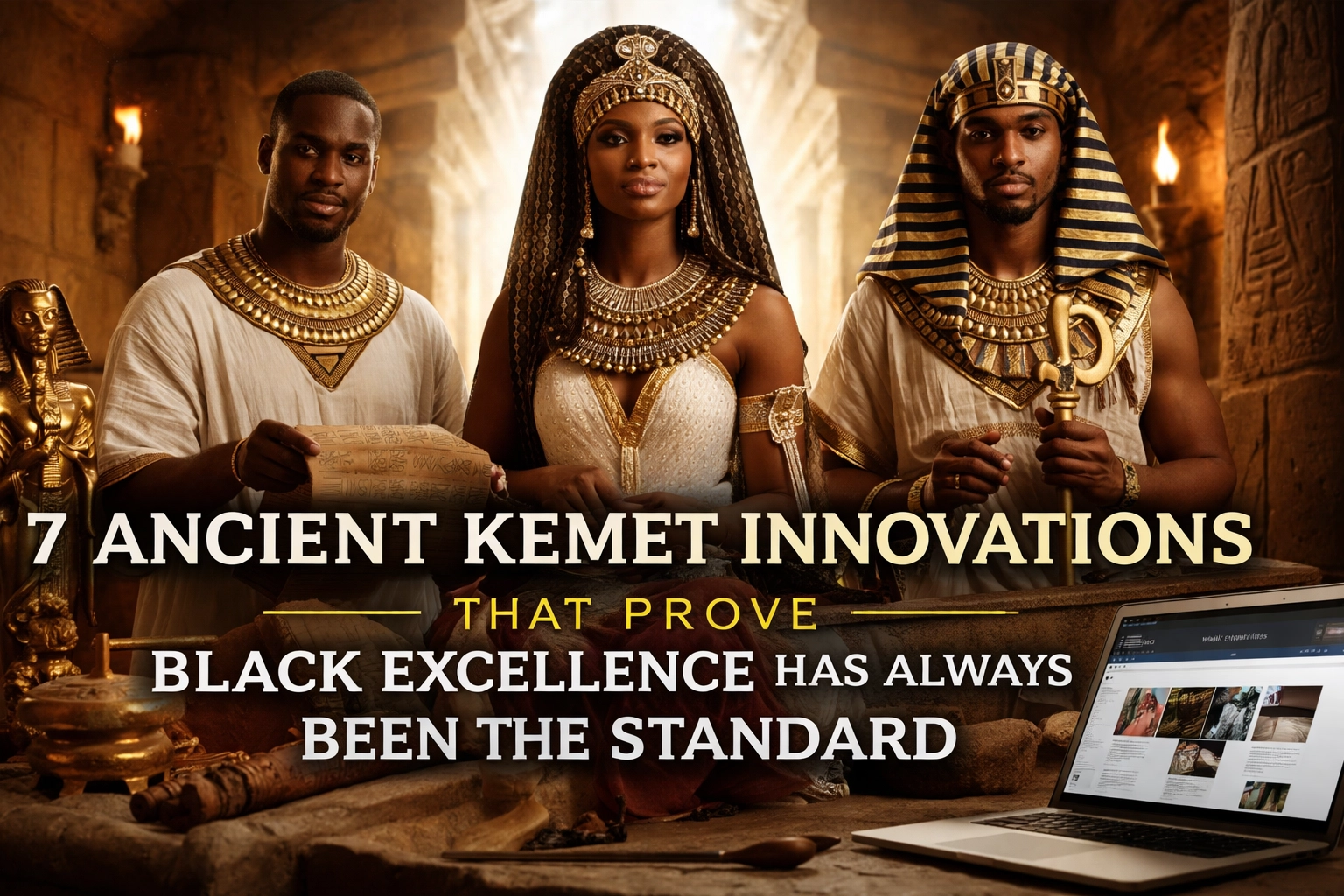
Let's get one thing straight: Black excellence isn't a trend. It's not something that started with the Harlem Renaissance or the civil rights movement. It's been the standard for thousands of years, and the evidence is literally carved in stone along the banks of the Nile.
When we talk about Ancient Kemet (what the Greeks later called Egypt), we're talking about one of the most advanced civilizations in human history. These were Black Africans who built monuments that still baffle engineers today, developed writing systems that lasted millennia, and created innovations that shaped the entire world.
So the next time someone tries to question the genius in our DNA, pull up a chair. We're about to take a journey back to where it all started.
1. Bronze Metallurgy: The Innovation That Changed Everything
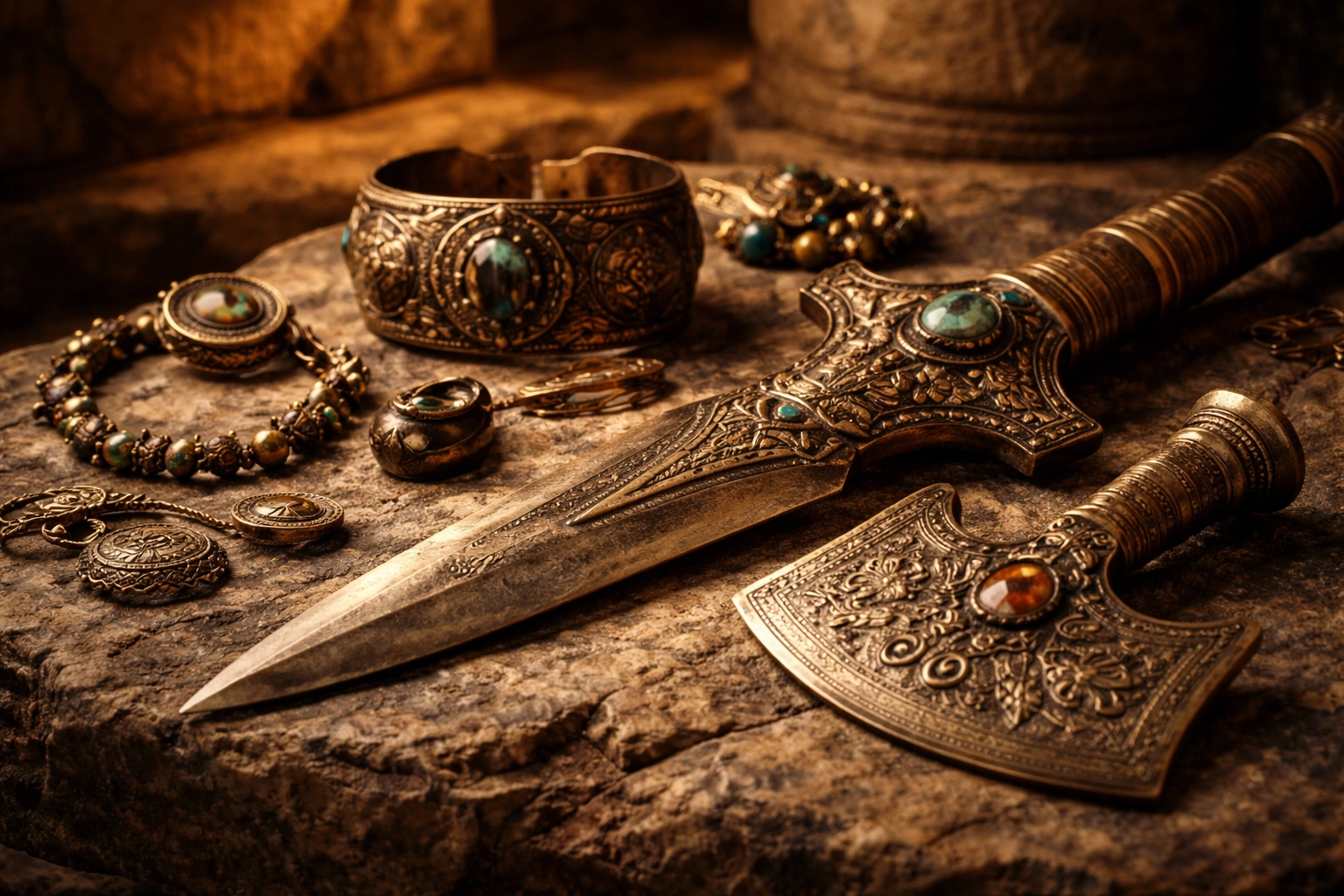
Around 3000 BC, the people of Kemet made a discovery that would literally reshape human civilization. They figured out that combining tin ore with copper created bronze: a metal harder and more durable than anything that came before it.
This wasn't just about making better tools. This single innovation sparked what historians call the Bronze Age. Better weapons, better farming equipment, better everything. One discovery by our ancestors set off a chain reaction of technological advancement that echoed across continents.
Did you know? The Bronze Age wouldn't have happened without African ingenuity. That's not opinion: that's history.
2. Hieroglyphic Writing: When We Wrote the First Books
Before there were novels, newspapers, or even the alphabet you're reading right now, there were hieroglyphics. The people of Kemet developed this sophisticated writing system using pictorial signs to record everything from religious texts to administrative records.
Here's what's wild: hieroglyphics remained in active use for over 3,600 years. That's longer than Christianity has existed. Our ancestors created a communication system so effective that it outlasted empires.
This wasn't just about pretty pictures on temple walls. This was organized knowledge. This was education. This was power preserved across generations.
3. Pyramid and Monumental Architecture: Engineering That Defies Explanation
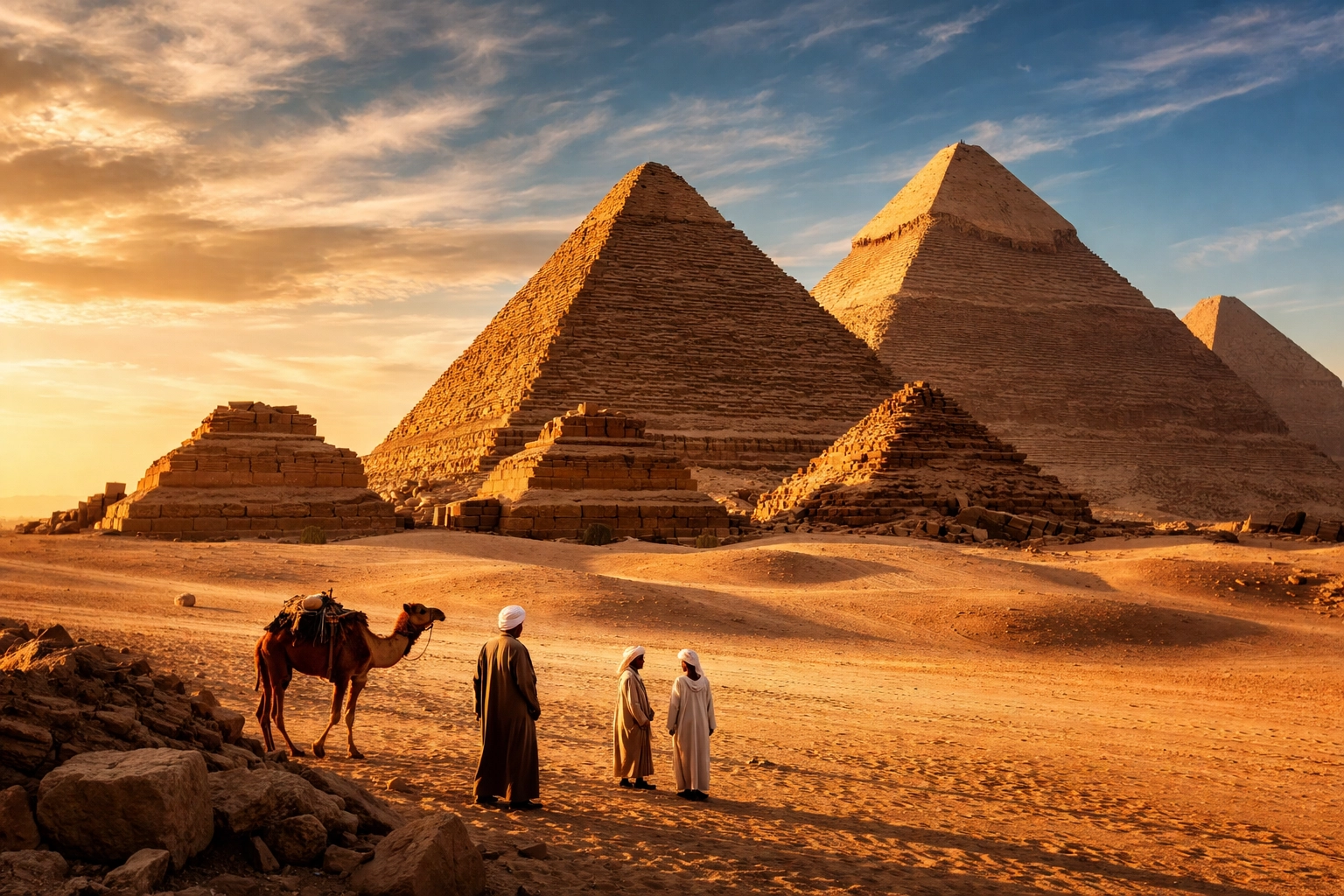
Let's talk about those pyramids for a second. The Fourth Dynasty pharaoh Sneferu alone used more stone than any other king in history: building three massive pyramids that still stand today.
But it's not just about size. The precision is what gets engineers scratching their heads in 2026. These structures were built with mathematical accuracy that rivals modern construction. The Egyptians developed techniques to move and lift obelisks weighing over 100 tons using levers and ramps.
No modern cranes. No computer modeling. Just pure African genius.
And here's the thing: they weren't just building monuments. They were building legacy. They were saying, "We were here, and we mattered." Sound familiar? That same energy drives Black entrepreneurs today who are building businesses that will outlast them.
4. Irrigation and Water Management: Turning Desert Into Abundance
Around 2700 BCE, Kemetic engineers built the Sadd el-Kafara Dam: the first known diversion dam in human history. Think about that. While other civilizations were figuring out basic survival, our ancestors were engineering solutions to control the Nile River.
This wasn't just impressive: it was essential. In an arid climate where rain was rare, these water management systems meant the difference between thriving and dying. They channeled water to crops, created food security, and supported a growing population.
The lesson here? When faced with impossible challenges, Black people innovate. We don't just survive: we figure out how to flourish.
5. Maritime Technology: Building Trade Networks Across the World
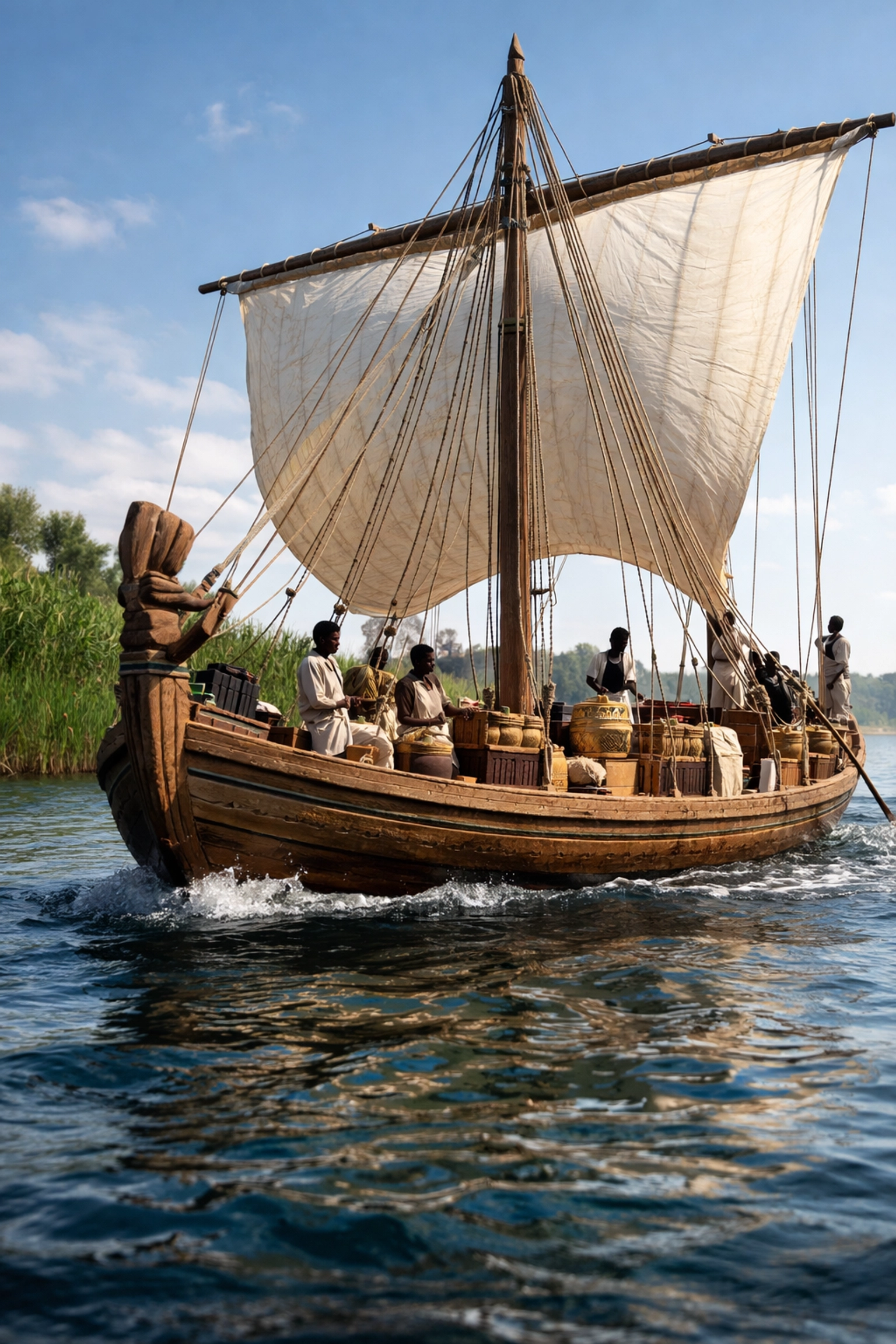
The people of Kemet didn't just stay home and admire their pyramids. They built ships and sailed them across the Mediterranean and the Red Sea, establishing trade networks that brought in ebony, incense, gold, copper, and cedar from distant lands.
Their ships were held together by tightly tied ropes: a technique that made them both flexible and durable on rough waters. They even developed naval rams during the reign of Amenhotep I, making their ships formidable in both trade and defense.
This is important because it destroys the myth that Africa was isolated before European contact. Our ancestors were global traders, connecting with civilizations across the ancient world. They understood that economic power comes from connection and exchange.
6. Mathematics and Trigonometry: The Science Behind the Monuments
You can't build pyramids with perfect precision without serious math skills. The Rhind Mathematical Papyrus shows us that Kemetic mathematicians had developed primitive trigonometry and complex geometric calculations by the 2nd millennium BC.
They also created the merkhet: a timekeeping and alignment tool that used a plumb line to achieve incredible accuracy. This instrument helped them align their massive structures with the stars.
Let that sink in. Our ancestors were doing trigonometry and astronomy while many parts of the world were still in the Stone Age. This is documented, verified history.
Did you know? The mathematical principles developed in Kemet influenced Greek mathematics, which later became the foundation of Western science. The origins trace back to Africa.
7. Cosmetic Chemistry: Beauty and Medicine Combined
Here's one that might surprise you. As early as 4000 BC: that's 6,000 years ago: the people of Kemet were creating sophisticated cosmetics. They invented kohl eye makeup by combining soot with galena (a lead mineral) to create a black ointment. Green eye makeup came from mixing malachite with galena.
Both men and women wore these cosmetics, not just for beauty but because they believed the formulas could cure eye diseases and provide spiritual protection. Modern research has actually confirmed that some of these ancient formulas had antibacterial properties.
So next time you see a Black-owned beauty brand creating innovative products, remember: that's ancestral work being continued. We've been in the cosmetics game for six millennia.
What This Means for Us Today
Here's why this history matters right now, in 2026.
When we support Black-owned businesses, we're not starting something new. We're continuing a tradition of Black economic power that stretches back thousands of years. The innovation, the excellence, the drive to build something lasting: it's in our DNA.
The original Black Wall Street in Tulsa showed us what happens when we circulate our dollars within our community. Before it was destroyed in 1921, it was a thriving ecosystem of Black businesses supporting each other. That same energy is what we're rebuilding today.
Every Black entrepreneur launching a product, every Black-owned store serving their community, every dollar spent with Black businesses: it's all connected to this ancient legacy of excellence.
At The Black Wall Streets, we're not just building a marketplace. We're continuing what our ancestors started along the Nile. We're proving that when Black people have the resources and support to innovate, incredible things happen.

The Legacy Continues With You
The people of Ancient Kemet didn't have social media to spread their message or e-commerce platforms to sell their goods. But they had vision, skill, and an unshakeable belief in their own excellence.
We have all of that: plus the tools they could only dream of.
So when you shop Black-owned, when you support Black entrepreneurs, when you choose to circulate your dollars within the community, you're doing more than making a purchase. You're participating in a tradition that's older than the pyramids.
Black excellence has always been the standard. It's time the world remembers that: and it starts with us.
Want to be part of the movement? Explore Black-owned businesses and discover products created by modern-day innovators at blackwallstreets.store. The legacy continues with every purchase.