
Black Wall Street Tulsa Secrets Revealed: What History Taught Us About Building Black Wealth

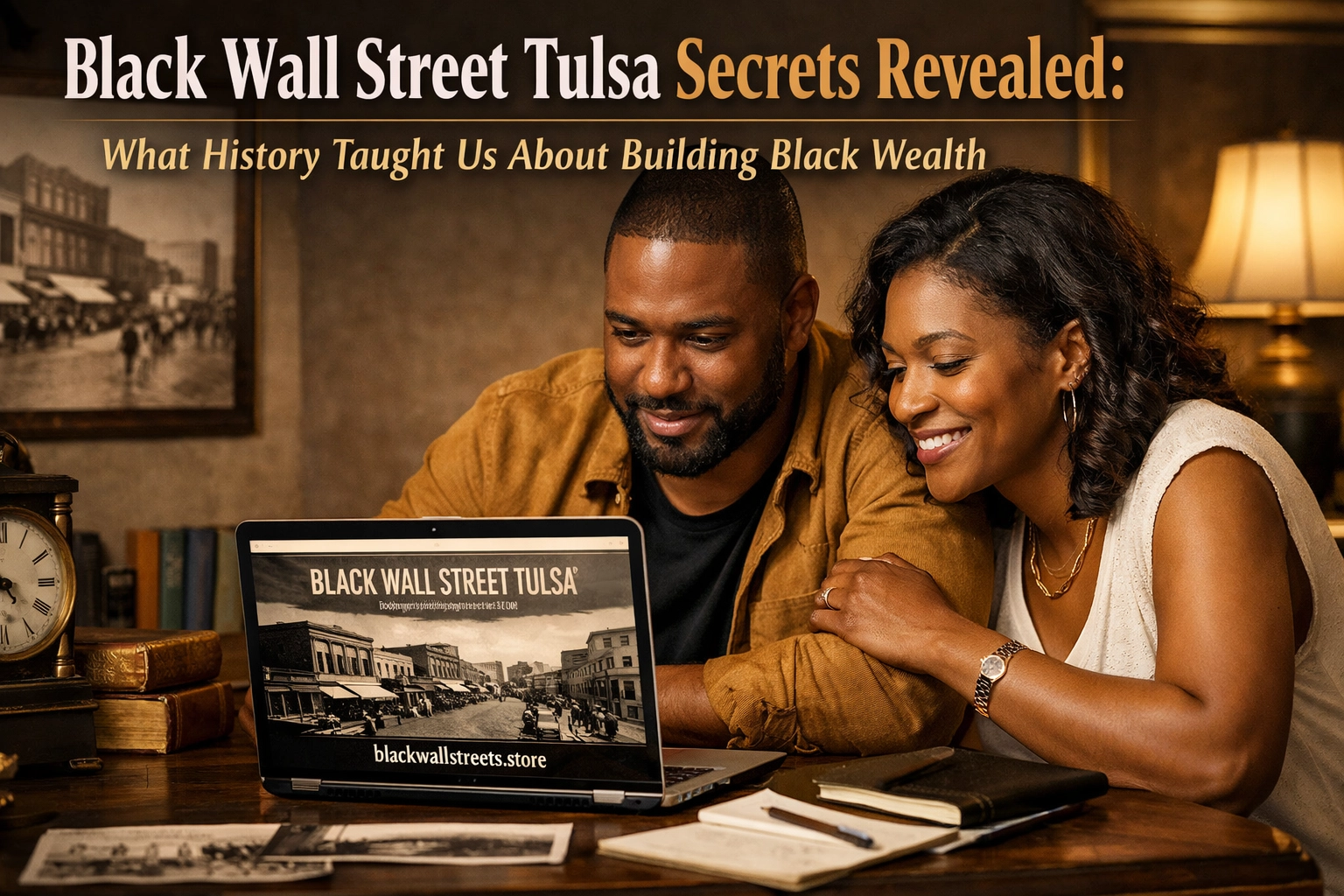
You've probably heard the name "Black Wall Street" before. Maybe in a documentary, a social media post, or a conversation about Black history that goes deeper than what we learned in school. But here's the thing: most people only know the tragedy. They know about the destruction, the violence, the loss.
What they don't know? The blueprint.
The Greenwood District in Tulsa, Oklahoma wasn't just a neighborhood. It was a masterclass in economic self-determination. And the secrets behind its success? They're just as relevant today as they were over a century ago.
Let's dig into what history actually taught us about building Black wealth: and how we can carry that torch forward.
The Visionary Who Started It All
Every movement needs a spark. For Black Wall Street, that spark was O.W. Gurley.
In 1906, this wealthy African American businessman from Arkansas did something revolutionary. He purchased 40 acres of land in north Tulsa and made a decision that would change everything: he sold that land exclusively to Black settlers and entrepreneurs.
Think about that for a second. This wasn't just about buying property. This was about community ownership from the ground up. Gurley understood something that many of us are still learning today: when you control the land, you control the future.
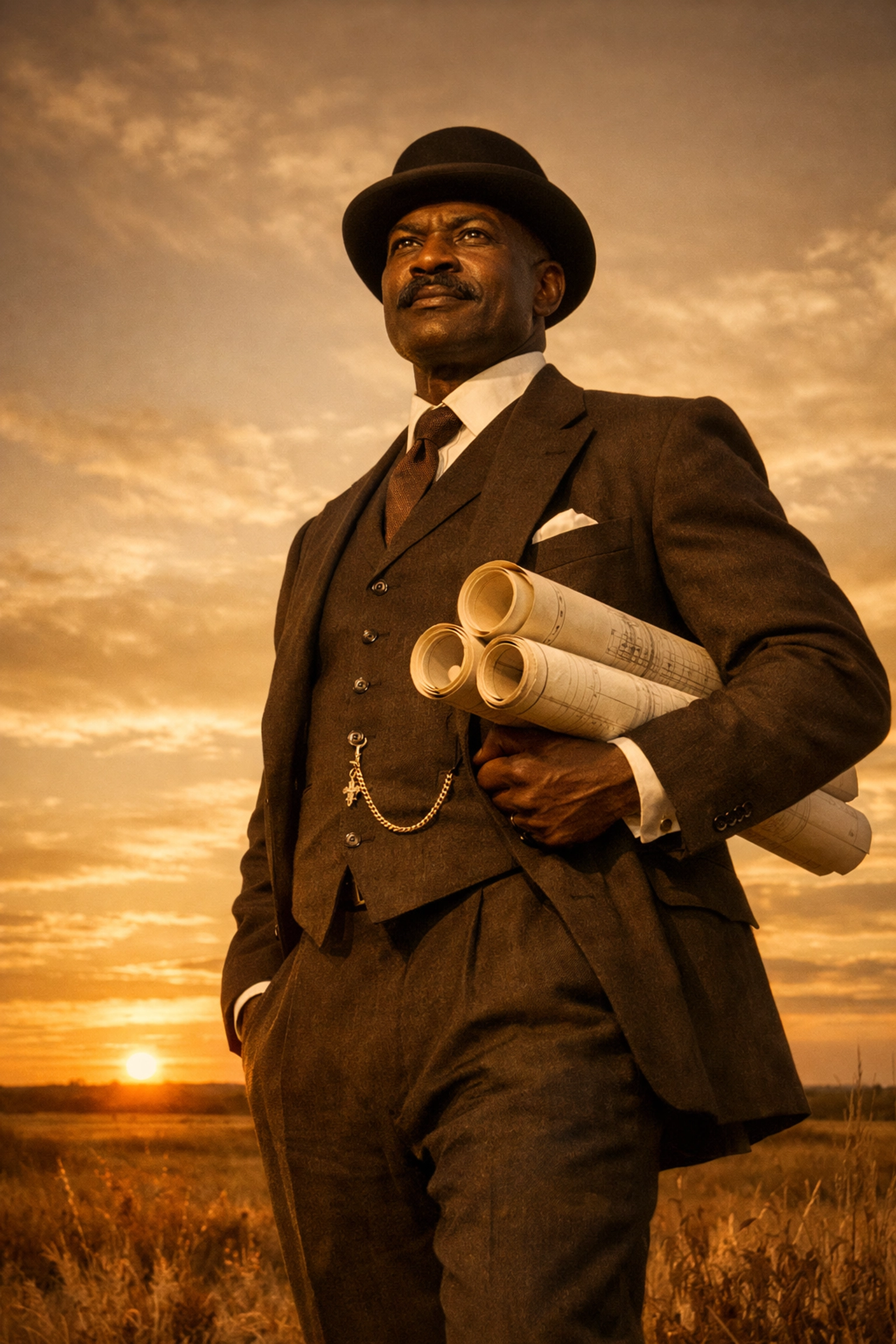
His vision was crystal clear: establish a community led and run by enterprising Black Americans. No outside ownership extracting wealth. No landlords from other communities collecting rent and taking that money elsewhere. Every dollar that flowed into Greenwood had a chance to stay there, grow there, and build something there.
This intentional approach to land ownership became the economic anchor for everything that followed.
Turning Obstacles Into Opportunities
Here's where Black Wall Street gets really interesting: and where we find one of its most powerful secrets.
Jim Crow segregation was designed to oppress. It was meant to limit, restrict, and diminish Black Americans in every way possible. But the residents of Greenwood did something remarkable: they turned that limitation into leverage.
Because Black residents had limited access to white-owned businesses (and honestly, preferred to support their own community anyway), wealth circulated internally. When a Black-owned restaurant hired local residents, those workers spent their paychecks at the Black-owned grocery store. That grocery store owner then got his suits tailored at the Black-owned tailor shop. The tailor's family went to the Black-owned movie theater on weekends.
You see the pattern?
This is what economists call a multiplier effect. A single dollar didn't just pass through Greenwood: it cycled through the community multiple times before ever leaving. Some historians estimate that a dollar circulated within Black Wall Street up to 36 times before leaving the community. Compare that to today, where studies suggest a dollar leaves Black communities in just 6 hours.
The lesson here isn't that segregation was good: it absolutely wasn't. The lesson is that economic self-sufficiency is powerful. When we intentionally support each other, our collective wealth multiplies.
The Numbers Don't Lie
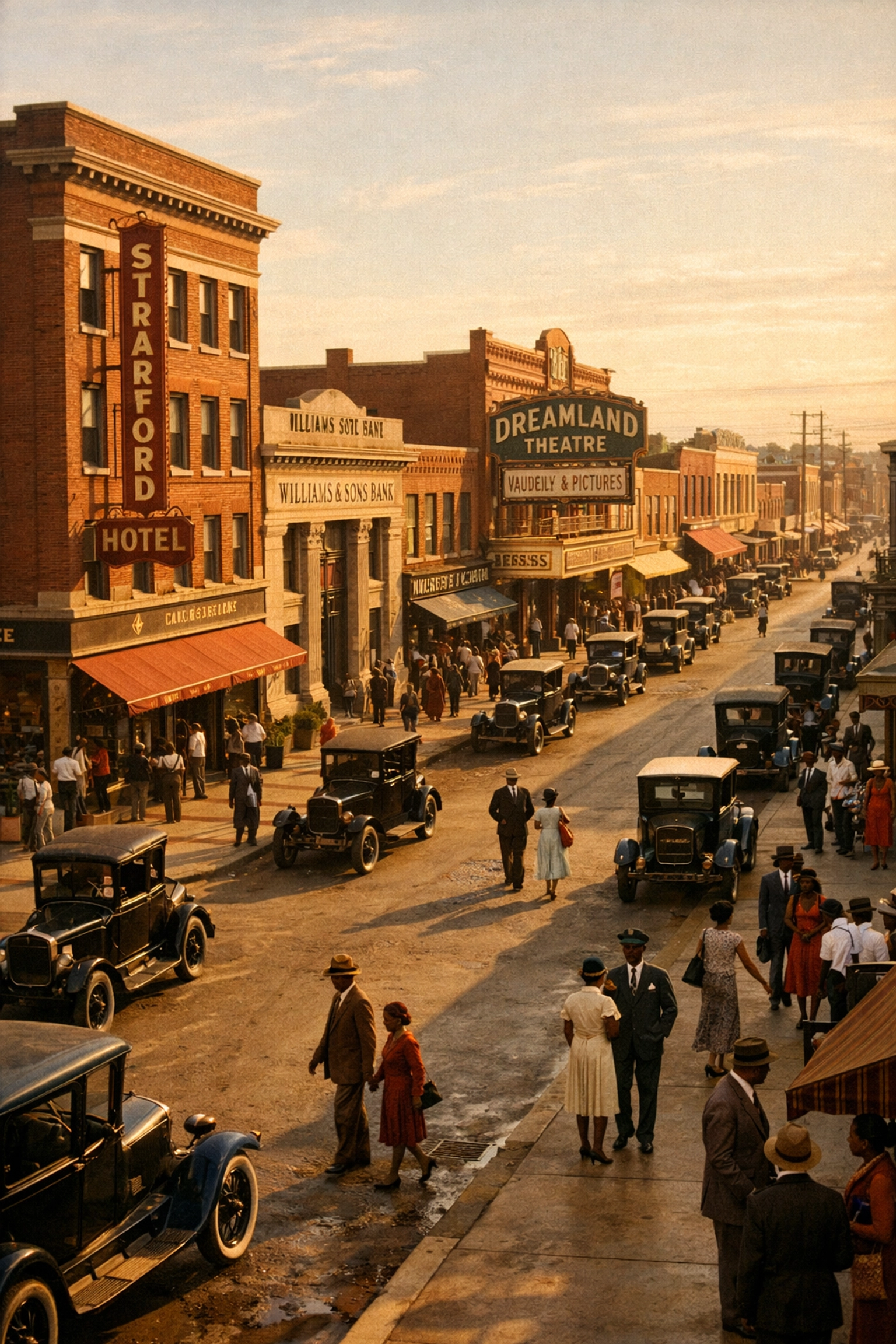
By 1920: just 14 years after O.W. Gurley's initial land purchase: the results spoke for themselves.
The Greenwood District was home to 190 thriving businesses. We're talking hotels, restaurants, grocery stores, movie theaters, a hospital, a bank, law offices, real estate agencies, and more. Property values in the district were equivalent to approximately $31 million in today's money.
The success was so undeniable that Booker T. Washington himself visited and dubbed it "Negro Wall Street" after witnessing the economic vibrancy firsthand. This wasn't a struggling neighborhood trying to survive. This was a flourishing economic ecosystem that proved what Black communities could build when given the opportunity: and when they built together.
Greenwood had everything. Residents could be born in a Black-owned hospital, educated in Black-owned schools, hire Black lawyers, deposit money in Black-owned banks, and be laid to rest by Black-owned funeral homes. It was complete. It was self-sustaining. It was proof of what's possible.
What We Lost: And Why It Matters
We can't talk about Black Wall Street without acknowledging what happened in 1921.
Over the course of roughly 18 hours, white mobs: assisted by local authorities and even airplanes: destroyed 35 blocks of the Greenwood District. An estimated 300 Black residents were killed. Over 800 were injured. More than 10,000 were left homeless. Property damage was estimated at $1.8 million in 1921 dollars (roughly $32 million today).
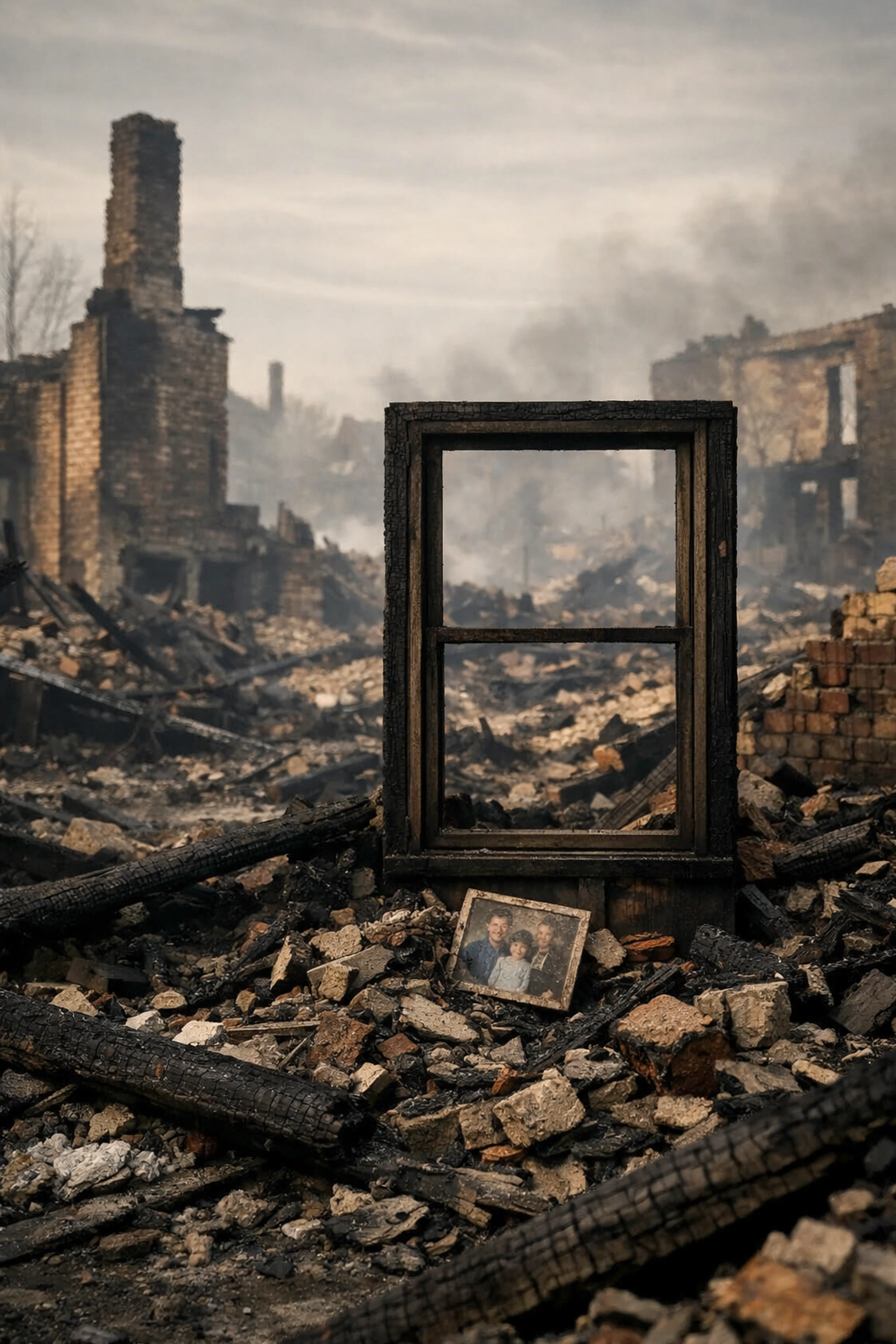
The Tulsa Race Massacre wasn't just violence. It was economic terrorism. The destruction of Black Wall Street was a direct response to Black prosperity. It was proof that building wealth isn't just about economics: it's about power. And when Black communities accumulated too much power, systems moved to destroy it.
This part of the story is painful, but it's essential. Because it teaches us something important: wealth building alone cannot overcome systemic opposition. We need wealth and political power. We need economic success and community protection. We need to build and we need allies who will stand with us when our success threatens those who benefit from our struggle.
The Blueprint for Today
So what do we do with all of this? How do we take lessons from 1906-1921 and apply them to 2026?
Here's the blueprint, broken down:
1. Prioritize Community Ownership
O.W. Gurley didn't just buy land for himself. He created pathways for others to own alongside him. Today, this might look like:
- Supporting Black-owned businesses with your dollars
- Investing in community land trusts
- Pooling resources with family and friends for property purchases
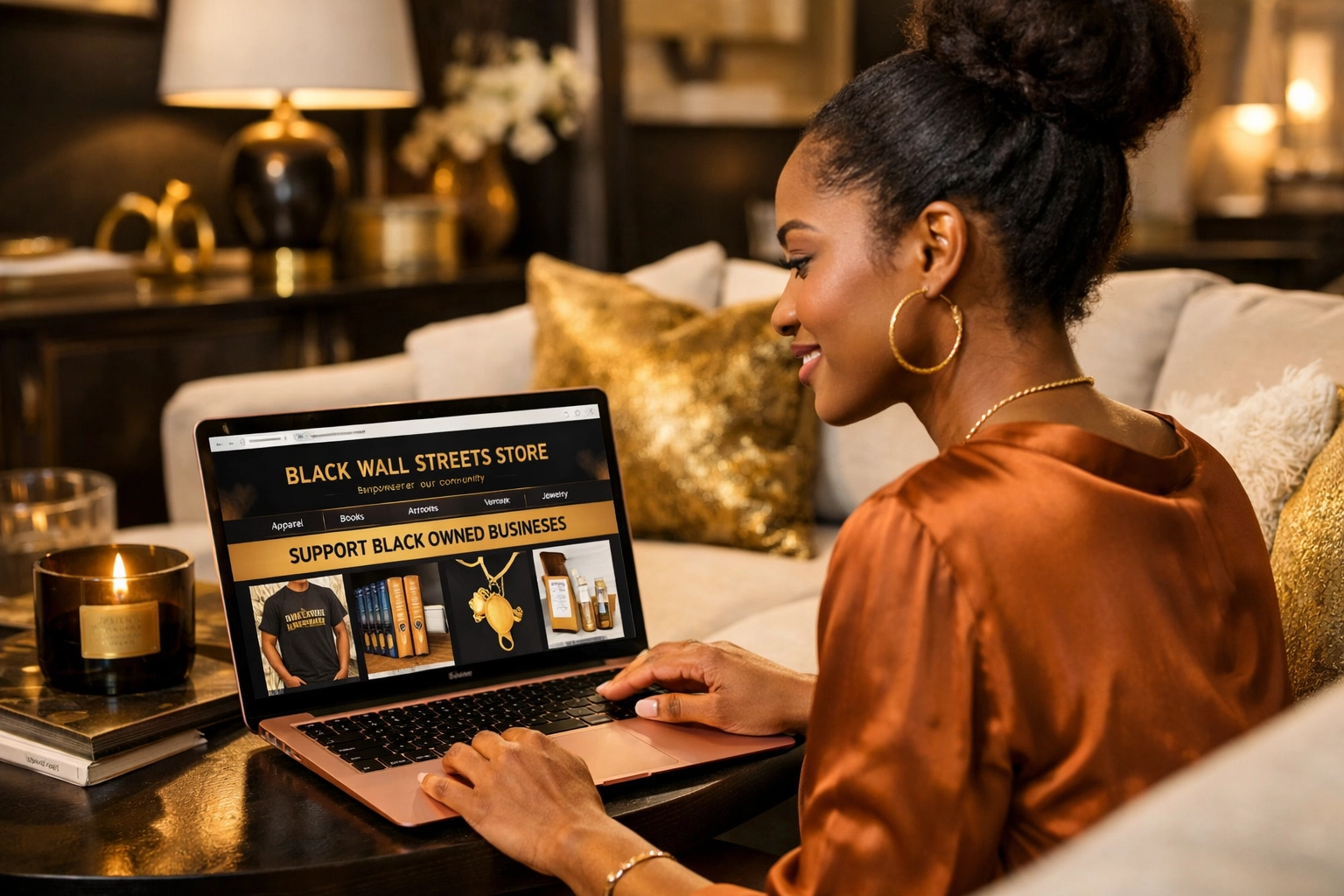
- Shopping at marketplaces that prioritize Black entrepreneurs
2. Circulate Your Dollars Intentionally
Before you spend, ask yourself: where is this money going? Who benefits from this purchase? Can I find a Black-owned alternative?
This isn't about perfection: it's about intention. Every time you choose to support a Black-owned business, you're participating in the same multiplier effect that made Greenwood thrive.
3. Build Networks, Not Just Businesses
The entrepreneurs of Black Wall Street didn't operate in isolation. They referred customers to each other. They hired from within the community. They created an ecosystem of mutual support.
Today, this means connecting with other Black professionals, entrepreneurs, and creatives. It means sharing opportunities, making introductions, and celebrating each other's wins.
4. Invest in Financial Education
Greenwood had its own bank. Its residents understood money, investment, and wealth building. We need that same financial literacy in our communities today. Learn about investing. Understand credit. Teach your children about money early.
5. Remember That Representation Matters
When you see Black excellence, support it. When you buy from Black-owned brands: whether it's luxury home décor, fashion, beauty, or accessories: you're not just making a purchase. You're making a statement. You're participating in a tradition that stretches back to Greenwood and beyond.
Carrying the Torch Forward
The spirit of Black Wall Street didn't die in 1921. It couldn't. Because it was never just about buildings and businesses: it was about belief. Belief in ourselves. Belief in each other. Belief that we deserve prosperity, dignity, and the freedom to build generational wealth.
That belief lives on every time we support a Black entrepreneur. Every time we choose to circulate our dollars within our community. Every time we teach our children about their history: not just the pain, but the power.
At The Black Wall Streets, we're committed to honoring that legacy. Our marketplace connects you with Black-owned businesses offering everything from stunning jewelry and accessories to home goods that bring culture and elegance into your space.
Because here's the real secret of Black Wall Street: it can be rebuilt. Not in Tulsa necessarily, but everywhere. In every city, every neighborhood, every online marketplace where Black entrepreneurs are creating, innovating, and thriving.
The blueprint is there. The history has shown us what's possible.
Now it's our turn to build.