
From Ancient Kemet to Modern Moguls: 5 Things Happening Right Now in Black Business (January 30, 2026)

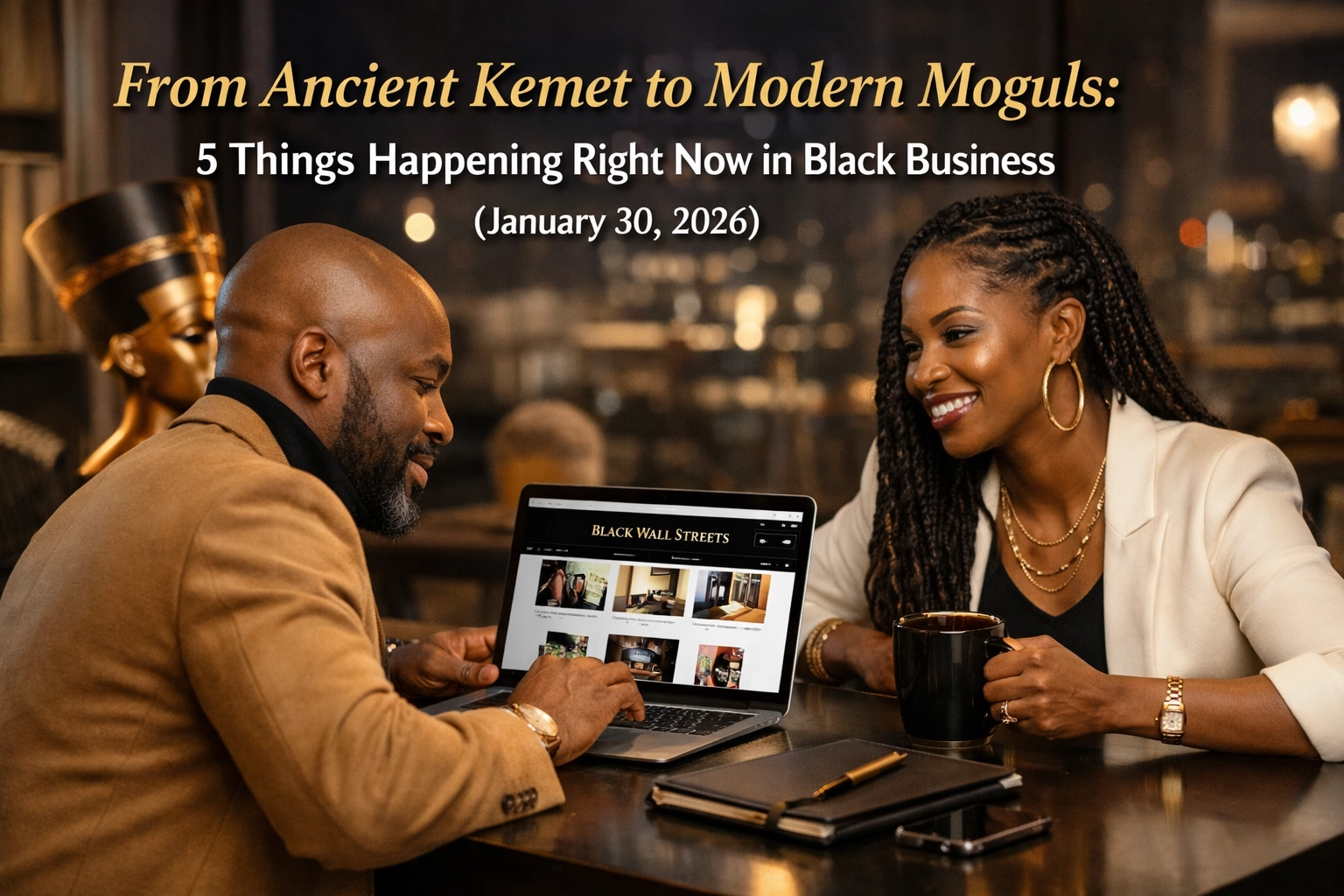
Did you know? Before there were Wall Streets, there was Kemet: where the world's first financial systems, trade routes, and economic hierarchies were born. Ancient Egyptians didn't just build pyramids; they built sophisticated banking systems, commodity exchanges, and international trade networks that lasted for millennia.
Fast forward to 2026, and Black entrepreneurs are reclaiming that legacy: not by asking for a seat at someone else's table, but by building their own. Here's what's popping right now in Black business, and why it matters for every one of us shopping, building, and dreaming bigger.
1. The Money Tap Is Finally Opening (A Little)
Let's be real: access to capital has been the biggest roadblock for Black-owned businesses since forever. But January 2026 brings some actually good news: Black entrepreneurs are seeing a 22% increase in loan approvals from community development financial institutions (CDFIs) and Black-led banks.
That might not sound earth-shattering, but when you've been locked out of traditional financing for generations, a 22% jump is a whole vibe shift. More Black-owned CDFIs are stepping up, creating lending relationships that understand our businesses aren't "risky": they're just under-resourced.

The Kemet Connection: Ancient Kemetic priests ran the world's first credit systems: lending grain to farmers and tracking debts on papyrus ledgers. They understood something Wall Street forgot: community-based lending builds wealth that circulates, not extracts.
What this means for you? If you've been sitting on a business idea waiting for funding, 2026 might be your year. Check out Black-owned financial institutions, explore CDFI grants, and remember: our ancestors built economic empires without asking permission from colonizers.
2. Black Billionaires Are Playing a Different Game Now
Here's where it gets spicy. The new wave of Black wealth isn't coming from entertainment anymore: it's coming from infrastructure, data, and recurring revenue models.
Translation? We're moving from "get famous and cash out" to "own the systems that generate wealth forever." Think less album drops, more data centers. Less sneaker deals, more private equity in logistics and supply chains.
Black billionaires and high-net-worth families are building family offices, securing long-term government contracts, and investing in the boring-but-profitable stuff that actually runs the world: energy grids, telecom networks, real estate portfolios that appreciate for decades.
Why this matters: When you control infrastructure, you control generational wealth. You're not dependent on staying hot, staying relevant, or staying in someone's good graces. You own the pipes that money flows through, not just the faucet.

Ancient Wisdom Alert: Kemet's wealth wasn't built on individual celebrity: it was built on controlling trade routes, grain storage, and the Nile's irrigation systems. The pharaohs who lasted weren't the flashiest; they were the ones who controlled the infrastructure of daily life.
3. $2 Trillion in Buying Power (And We're Finally Using It Like a Weapon)
Black consumers are projected to control over $2 trillion in spending power in 2026. That's not just a statistic: that's a superpower. But here's the kicker: 70% of Black consumers say they'll immediately stop buying from brands that disrespect or devalue our community.
We're not playing anymore. Performative allyship? We see it. Rainbow-washing during Pride but silence on Black issues? We clock it. Brands that only show up when it's profitable? We're out.
This is creating a massive shift: companies either authentically invest in Black communities: through vendor contracts, representation, and real partnership: or they lose access to the fastest-growing consumer segment in America.
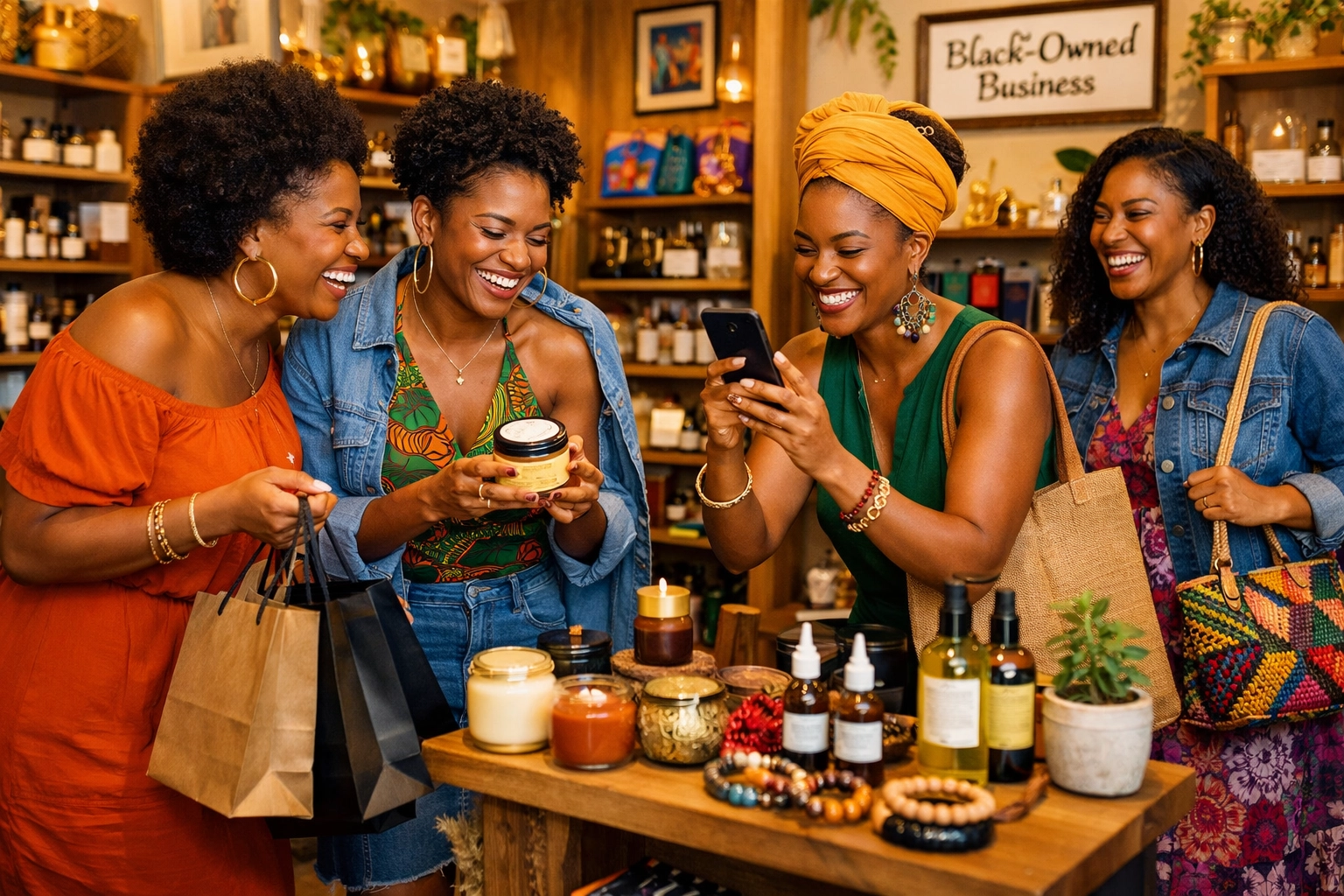
And guess what? Smart brands are waking up. Women's sports, beauty, wellness, and fashion are all seeing increased investment because Black women drive 85% of multicultural spending trends. When we move, the market moves.
Where Kemet fits in: Ancient Kemetic marketplaces weren't just transactional: they were relational. Trade was built on trust, reputation, and community standing. If you broke trust, you lost access to the market. Sound familiar?
That's why platforms like The Black Wall Streets marketplace exist: to put that power back in our hands. Every dollar you spend with a Black-owned vendor is a vote for the economy you want to see.
4. Cities Are Finally Betting on Black Business
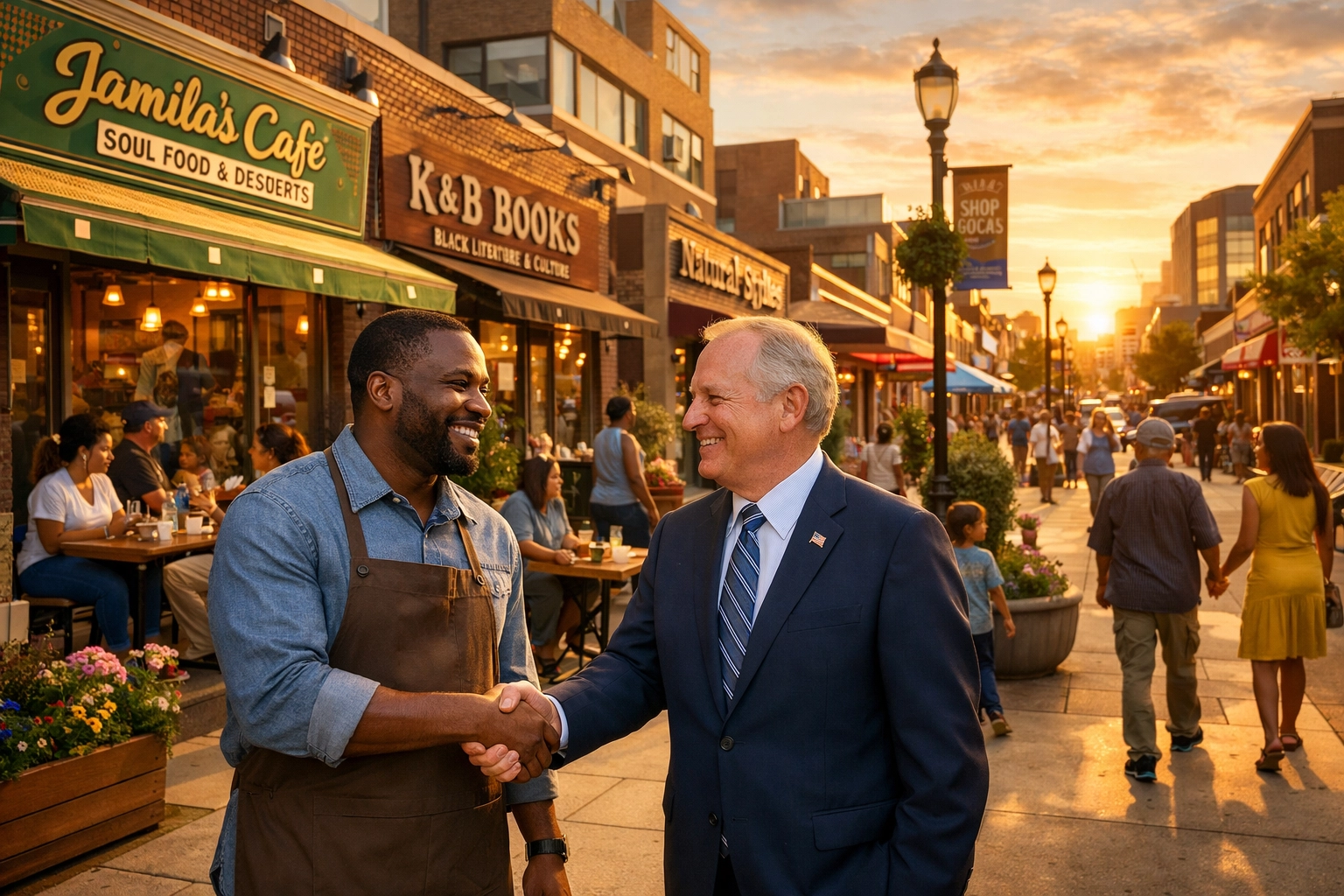
Some cities are getting it. Washington, D.C., for example, is placing Black business development at the center of its economic strategy: not as a diversity checkbox, but as the actual foundation for growth.
They're focusing on:
- Business ownership programs that help Black entrepreneurs buy (not just rent) their commercial spaces
- Cooperative ventures and consortia that let small businesses pool resources and bid on larger contracts
- Federal procurement pathways that connect Black-owned firms to government contracts worth millions
This is how you build a real ecosystem. Not pop-up initiatives that disappear after the news cycle ends, but structural changes that make Black ownership the default, not the exception.
Kemet Knew: The great cities of Kemet: Thebes, Memphis, Giza: thrived because they invested in their merchants, artisans, and tradespeople. They built markets, protected trade routes, and created legal systems that ensured fair exchange. When the marketplace thrived, the city thrived.
Modern cities that invest in Black-owned businesses aren't being charitable: they're being economically smart. Our businesses create jobs, keep money circulating locally, and build tax bases that fund schools, infrastructure, and services everyone benefits from.
5. But Real Talk: The Economic Headwinds Are Real
We can't sugarcoat it. While Black businesses are thriving, Black unemployment rose from 6.2% in January 2025 to 7.5% by December. Economic pressures are hitting our communities hard, and business growth alone won't fix systemic employment gaps.
This is a reminder: entrepreneurship is powerful, but it's not the only answer. We need:
- Stable jobs with living wages
- Workforce development programs
- Pathways to ownership (not just employment)
- Safety nets that don't punish ambition
The good news? When we support Black-owned businesses, we create jobs within our community. Every vendor on a platform like Blackwallstreets.store has the potential to hire, mentor, and lift up others. Your purchase doesn't just support one entrepreneur: it supports an ecosystem.
The Kemet Lesson: Even in times of famine or economic stress, Kemet's leaders understood that shared prosperity creates stability. They built grain reserves, public works programs, and redistribution systems. They knew that a starving population is an unstable one: and that prosperity shared is prosperity multiplied.
So What Does This All Mean for You?
Whether you're building a business, supporting Black-owned brands, or just trying to make sense of where we're headed: January 2026 is proof that we're not just surviving, we're architecting.
The roadblocks are real. The inequities persist. But the momentum? Undeniable.
Here's your action plan:
- Shop intentionally. Your dollars are votes. Spend them where they build, not extract.
- Support Black-owned platforms like The Black Wall Streets that create infrastructure for our businesses to thrive.
- Share the wins. When you see a Black-owned business doing amazing things, amplify them. Word of mouth is still our most powerful currency.
- Remember the legacy. We're not starting from scratch: we're reconnecting to a tradition of excellence, trade, and wealth-building that goes back thousands of years.
From the markets of Kemet to the digital storefronts of 2026, we've always been builders. The only difference now? We're building for ourselves.
Want to be part of the new Black Wall Street? Explore Black-owned businesses, discover incredible products, and support the community at blackwallstreets.store. Every purchase is a brick in the foundation we're building together.