
Why Buying Black Will Change the Way You Shop (And Build Generational Wealth)

Let's talk about something that doesn't get enough attention: the power of your wallet. Every time you swipe that card or tap to pay, you're not just buying something, you're casting a vote for what kind of economy you want to see. And right now? We've got the receipts showing that Black consumers are holding some serious economic power. We're talking about $1.7 to $1.98 trillion in annual purchasing power. That's not just money, that's world-changing potential.
But here's the thing: most of that money isn't actually changing our world. It's flowing straight out of our communities and building wealth for everyone else. And that needs to stop.
Where Your Money Goes (And Why It Matters)
Think about your last shopping trip. Amazon, Target, maybe a big chain grocery store? Nothing wrong with that, we all do it. But when was the last time you intentionally sought out a Black-owned business for something you needed?
The hard truth is that money spent in Black communities has a habit of disappearing fast. Like, really fast. While other communities, Asian, Jewish, and others, see their dollars recirculate multiple times before leaving, ours barely makes one lap around the block. It's like trying to fill a bathtub with the drain wide open.
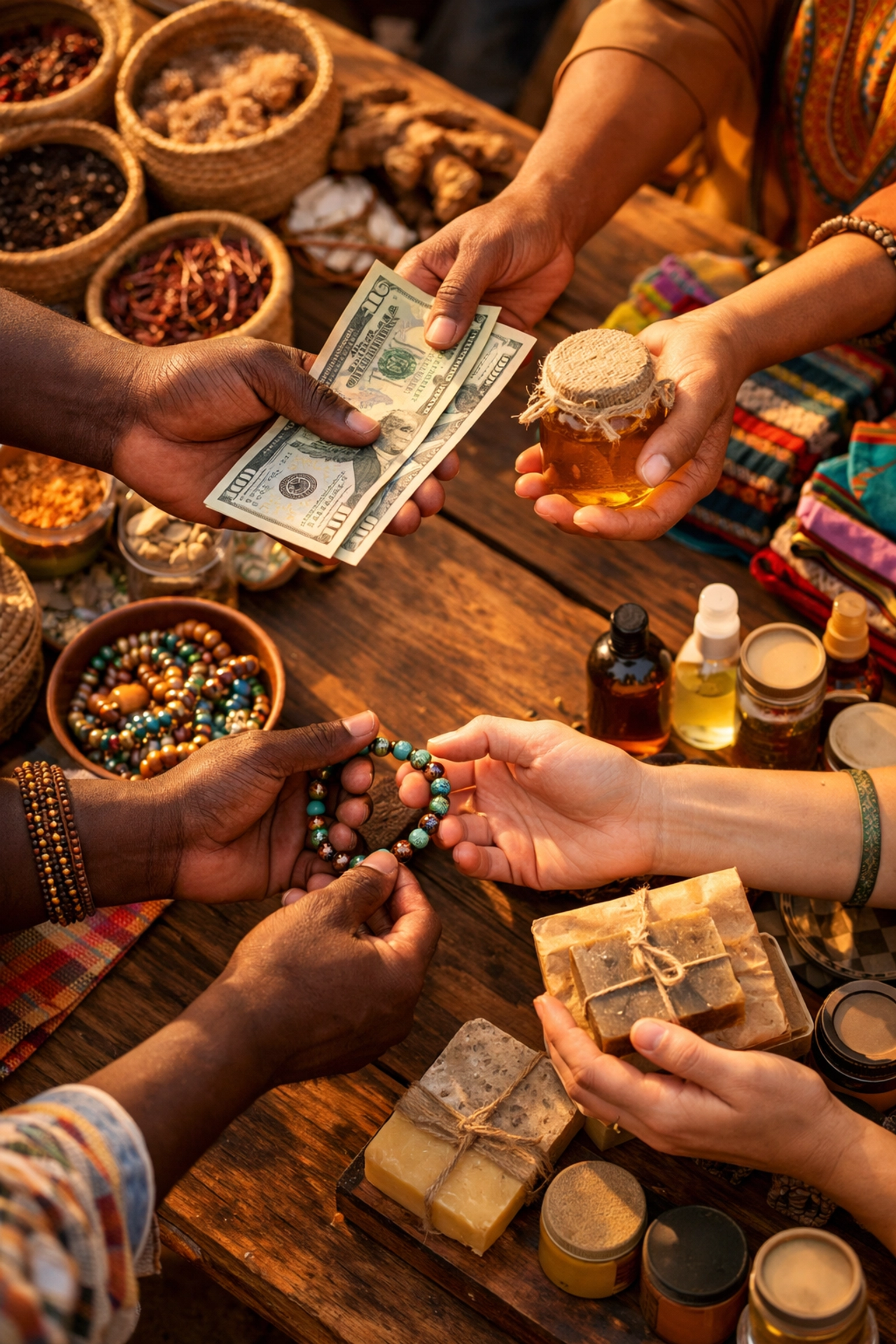
This isn't about guilt or shame. It's about recognizing that we've been playing an economic game with rules that weren't designed for us to win. But guess what? We can change the game entirely by changing where we spend.
The Real Generational Wealth Playbook
Here's something they don't teach you in school: wealth isn't built through consumption, it's built through ownership. You don't get rich by buying stuff. You get rich by owning stuff: homes, land, businesses, intellectual property. Assets that appreciate, generate income, and can be passed down.
When you buy from a Black-owned business, you're not just getting a product or service. You're:
- Supporting an entrepreneur who can hire people from the community
- Helping a business owner build equity they can pass to their kids
- Creating a success story that inspires the next generation of Black business owners
- Keeping money circulating in a way that benefits multiple families, not just one transaction
Let's get real about the numbers for a second. Only about 2% of employer businesses are Black-owned, even though we make up nearly 14% of the population. That's a massive gap. And every time you choose to buy Black, you're helping close it, one purchase at a time.
The Tulsa Blueprint: When Black Dollars Stay Home
You've probably heard of Black Wall Street, Tulsa's Greenwood neighborhood in the early 1900s. Before it was destroyed, it was the wealthiest Black community in America. How? The money stayed in the neighborhood.
A dollar would change hands between Black businesses and residents multiple times before leaving the community. The barber would spend his earnings at the Black-owned grocery store. The grocer would buy clothes from the Black-owned tailor. The tailor would hire the carpenter to fix his shop. Round and round it went, creating jobs, funding dreams, and building genuine wealth.
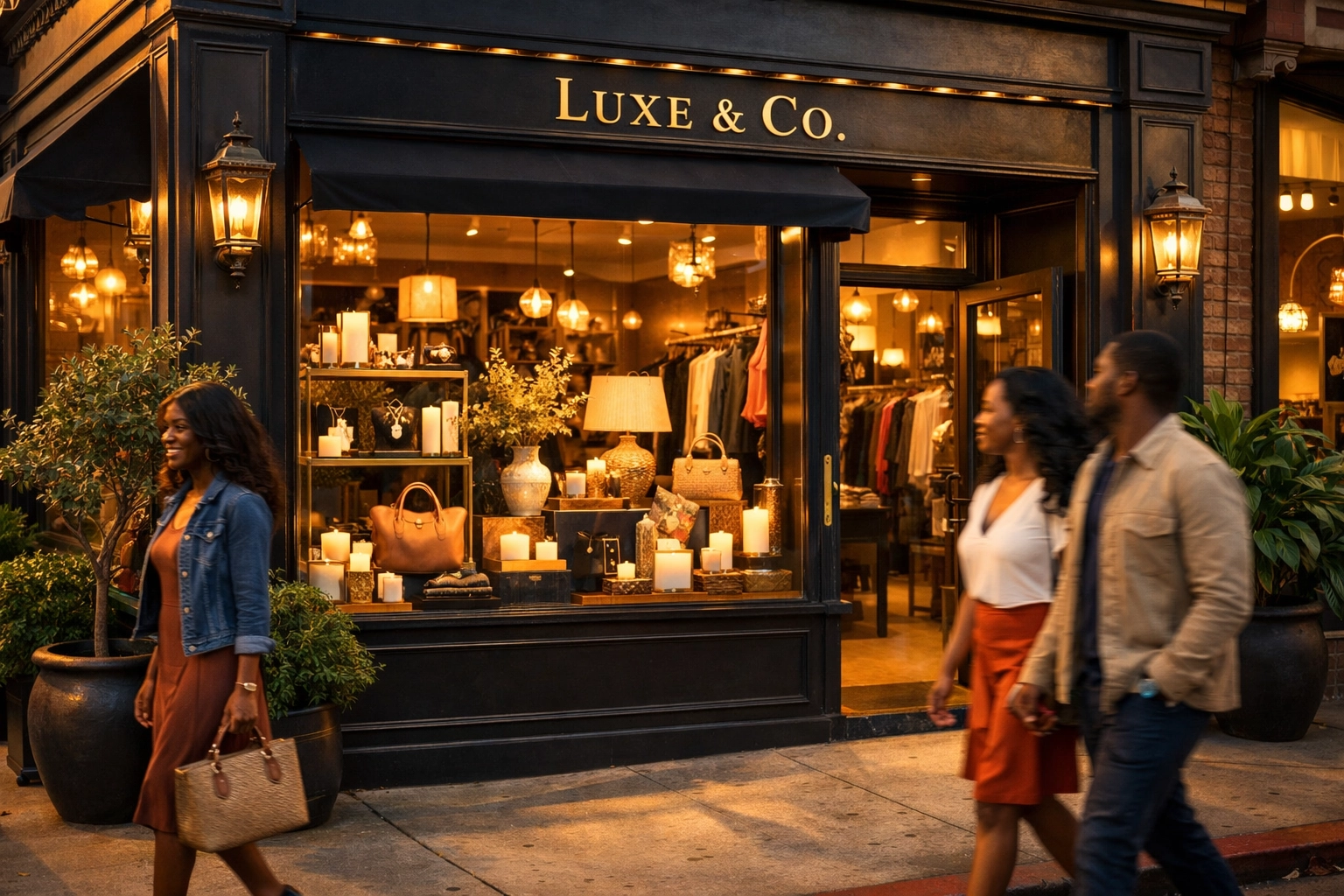
That's what economists call the "multiplier effect," and it's exactly what we need to recreate today. Every dollar you spend at a Black-owned business doesn't just help that one business owner, it ripples through the entire community.
From Paychecks to Legacy: The Ownership Revolution
Let's break down what generational wealth actually looks like in practice. It's not just about having money, it's about having assets that work for you and your family long after you're gone.
When you support Black entrepreneurs through your purchases, you're enabling them to:
Build business equity. That candle company or clothing brand you love? Your purchase helps them grow, hire employees, maybe even expand to multiple locations. That business becomes an asset that can support multiple generations.
Create employment opportunities. Black-owned businesses are more likely to hire from within the community. That means jobs for your neighbors, friends, and family members. Jobs that might offer better treatment, understanding, and opportunities for advancement than they'd find elsewhere.
Invest in the next generation. Successful Black business owners often reinvest in their communities through scholarships, mentorship programs, and community initiatives. Your purchase today could literally fund someone's education tomorrow.
Pass down knowledge. Beyond money, successful entrepreneurs pass down business acumen, financial literacy, and the confidence to take risks. That's the kind of inheritance that compounds over generations.

How to Actually Change Your Shopping Habits
Okay, so you're convinced. You want to buy Black. But where do you start? Here's the good news: it's easier than ever.
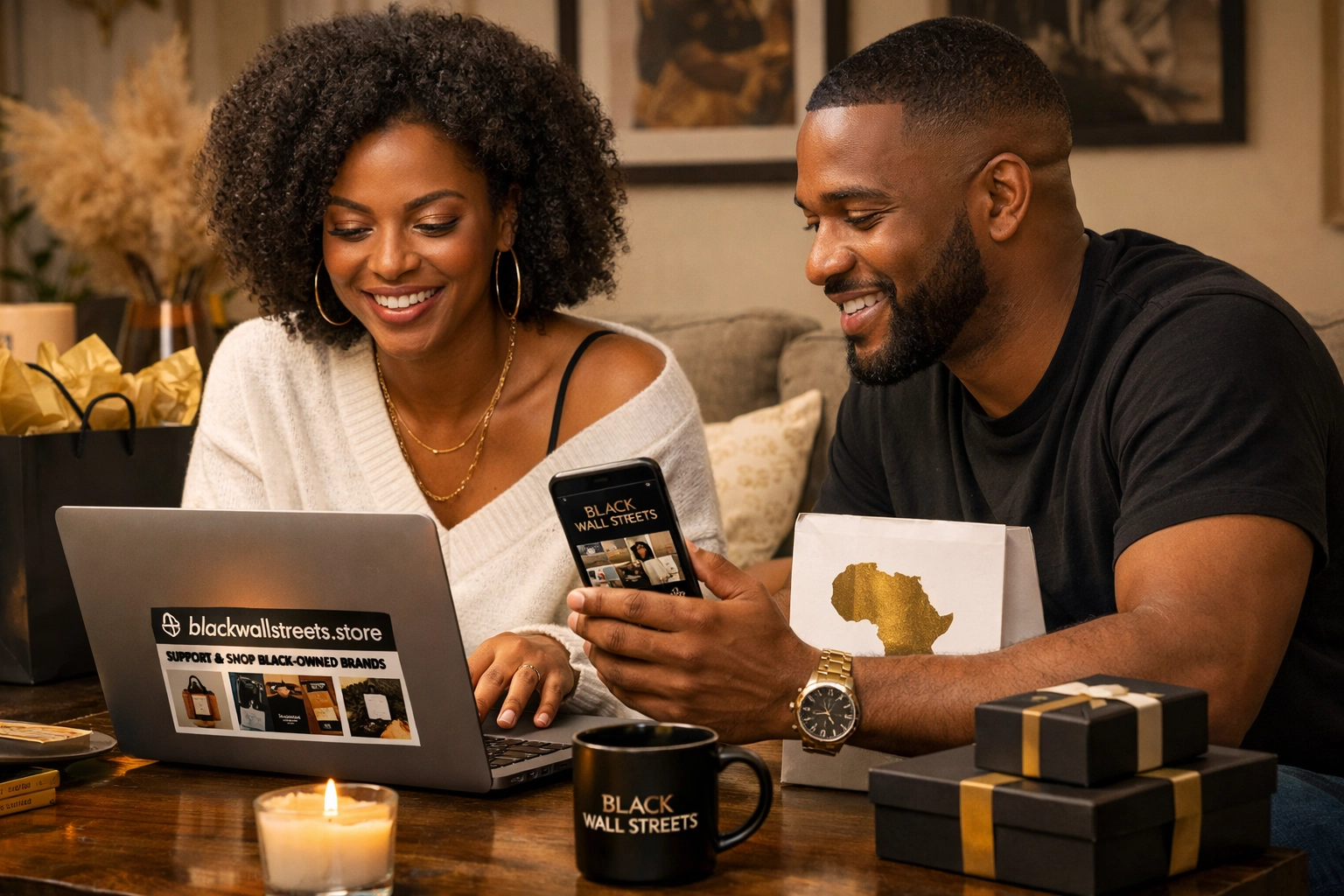
Start with what you already buy. You don't need to overhaul your entire life overnight. Look at what you regularly purchase: beauty products, clothing, home decor, accessories: and find Black-owned alternatives. Places like The Black Wall Streets make it easy to discover amazing Black-owned brands all in one place.
Make it intentional, not occasional. Don't just buy Black during Black History Month or when it's trending. Make it a regular part of your shopping routine. Set a goal: maybe 25% of your purchases this month come from Black-owned businesses. Then increase it.
Spread the word. Found an amazing Black-owned brand? Tell everyone. Share on social media. Text your group chat. Word of mouth is powerful, and it costs you nothing.
Think beyond retail. Buying Black isn't just about products. Use Black-owned service providers: accountants, lawyers, contractors, cleaning services, caterers. Our dollars matter in every sector.
The Skills That Build Lasting Wealth
Here's something crucial that often gets overlooked: supporting Black businesses is just one piece of the puzzle. We also need to build financial literacy within our community. Understanding credit, investing, taxation, and wealth management needs to be treated like the survival skills they are.
When Black-owned businesses thrive, they often become vehicles for financial education in their communities. Business owners share their knowledge, mentor aspiring entrepreneurs, and model what's possible. That knowledge transfer? That's generational wealth you can't put a price tag on.

Your Shopping Cart Is Your Power
Look, nobody's saying you need to feel guilty about where you currently shop or that you should only buy from Black-owned businesses 100% of the time. Life is complicated, budgets are real, and convenience matters.
But what if you started seeing your spending as something more powerful than just transactions? What if every purchase was a small investment in the kind of future you want to see?
Because here's the truth: we don't need to wait for systems to change or for someone to grant us access to wealth-building opportunities. We have the power right now, in our collective purchasing power, to build our own economic ecosystems.
Every time you choose to buy that luxury candle from a Black-owned brand, grab a motivational tee from a Black designer, or pick up beauty products from a Black entrepreneur, you're participating in something bigger than yourself. You're building Black Wall Street 2.0: a digital, connected, unstoppable version that can't be burned down.
The Bottom Line
Buying Black isn't just shopping: it's activism. It's wealth building. It's community building. It's legacy building. It's taking the trillions of dollars in purchasing power we already have and redirecting it toward our collective future.
The question isn't whether we have enough money to make a difference. We do. The question is: where will that money go, and what will it build?
Your shopping habits might seem small, but multiply them by millions of people making similar choices, and you've got a movement. You've got economic transformation. You've got the foundation for generational wealth that'll still be paying dividends for your great-great-grandchildren.
So next time you're about to hit "add to cart," pause for a second. Ask yourself: could I buy this from a Black-owned business instead? Because that one small choice? It's more powerful than you think.