
How These 5 Black History Icons Would BuyBlack Today (February Spotlight)

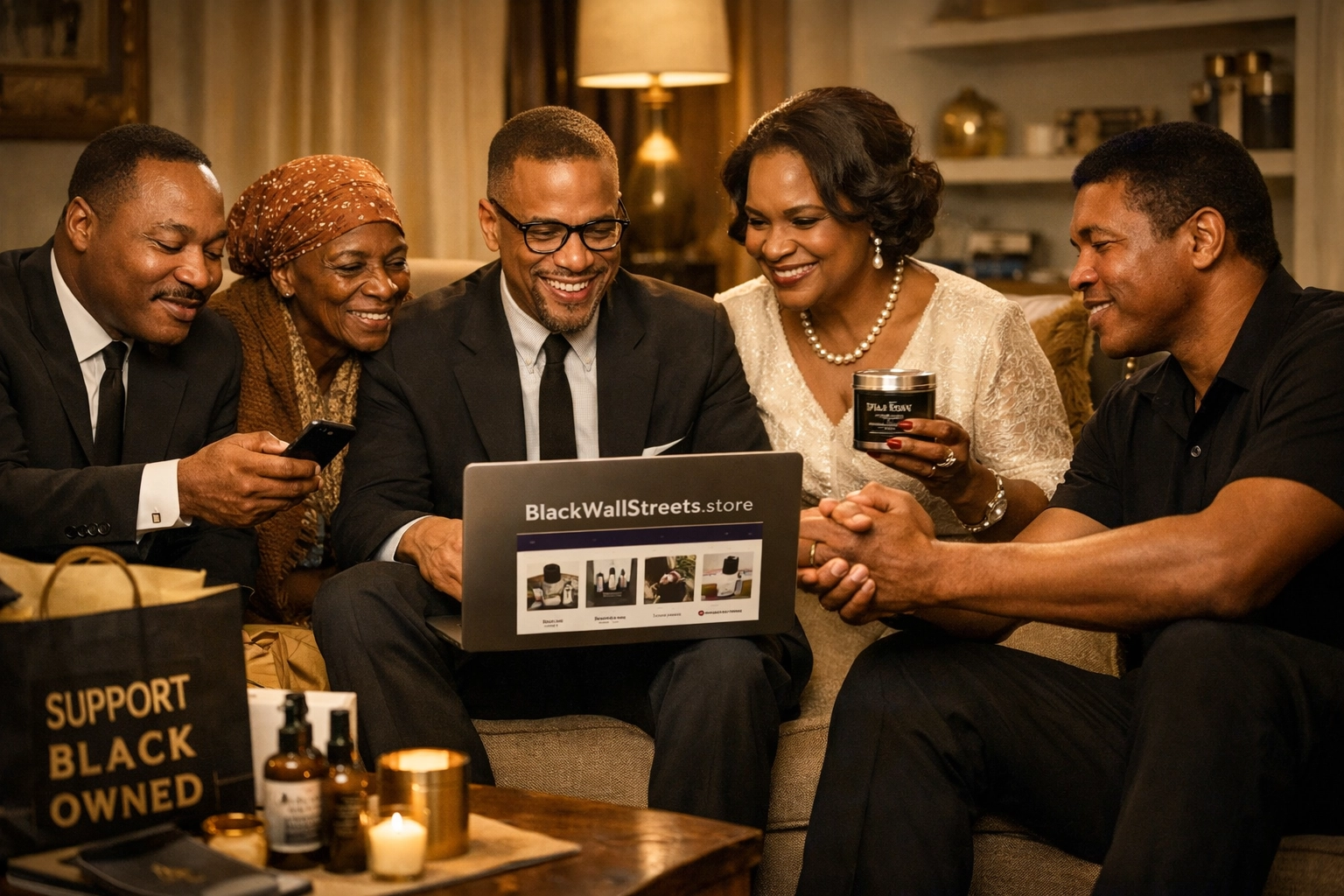
Ever wonder what our ancestors would think about the BuyBlack movement? The truth is, they'd probably be leading the charge: because economic empowerment has always been at the heart of Black liberation. This February, we're spotlighting five legendary icons who didn't just make history; they laid the blueprint for how we build wealth and community today.
These trailblazers understood something fundamental: where we spend our dollars matters. So let's explore how these five Black History icons would be shopping, supporting, and investing in Black-owned businesses if they were walking among us in 2026.
1. Madam C.J. Walker: The OG of Black Business
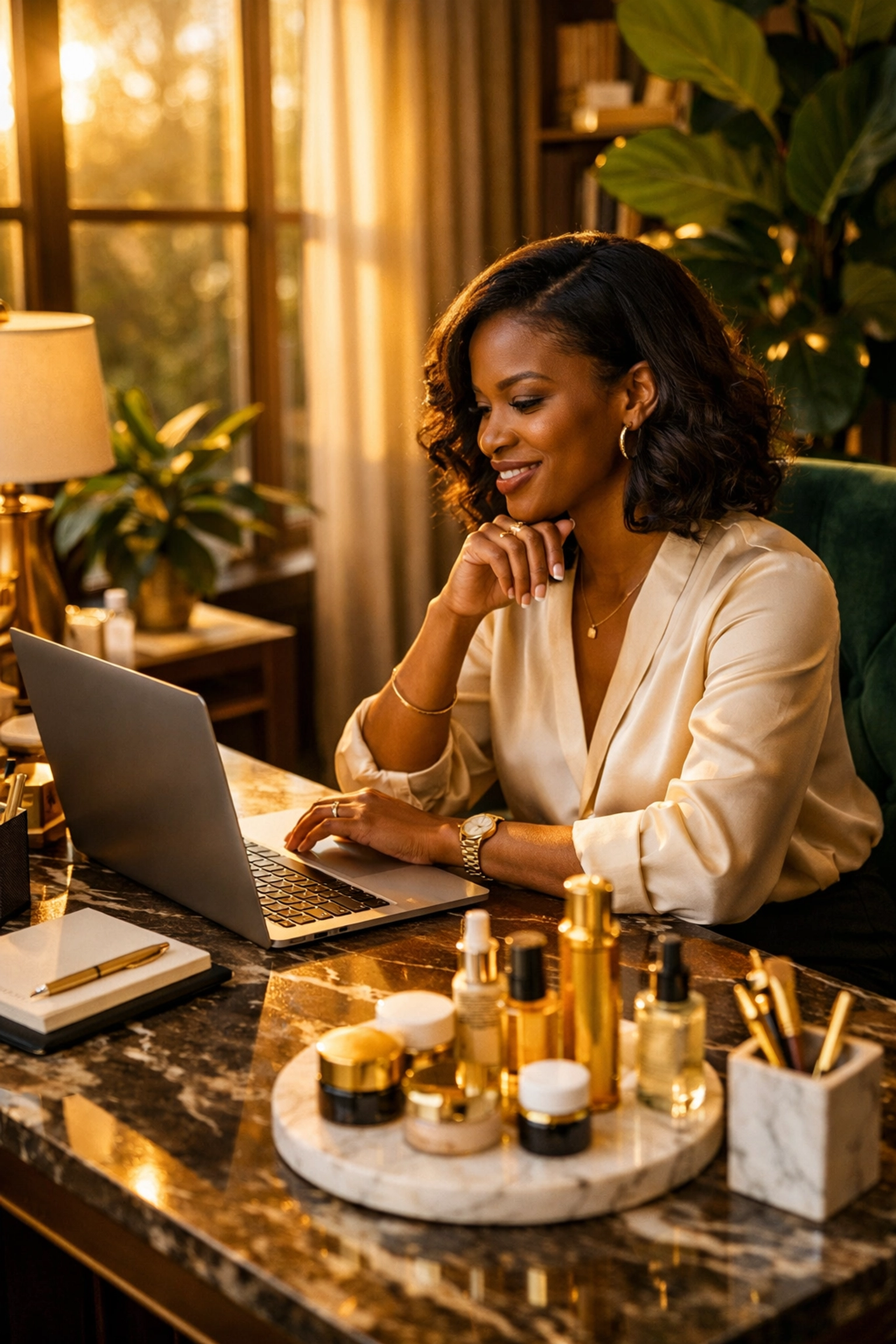
Born Sarah Breedlove in 1867, Madam C.J. Walker became America's first female self-made millionaire. She built an empire selling hair care products specifically designed for Black women: something the mainstream beauty industry completely ignored. But Walker wasn't just about making money; she employed thousands of Black women as sales agents, giving them economic independence during an era when that was almost unheard of.
Her Modern Money Move: If Madam C.J. Walker were alive today, she'd be all over blackwallstreets.store, discovering emerging Black beauty brands and connecting with other entrepreneurs. She'd probably be that customer leaving detailed reviews, sharing her favorite finds on social media, and personally mentoring young business owners in the marketplace. Walker understood that when you BuyBlack, you're not just purchasing a product: you're investing in someone's dream, funding someone's legacy, and keeping wealth circulating within the community.
She'd tell you: "Stop scrolling past that Black-owned skincare brand on your feed. Your dollars are votes for the world you want to see."
2. Marcus Garvey: Economic Nationalism in Action
Marcus Garvey wasn't playing games when it came to Black economic power. The Jamaican-born activist founded the Universal Negro Improvement Association in 1914 and launched the Black Star Line, a shipping company owned and operated by Black people. His message was crystal clear: economic independence equals true freedom.
His Modern Money Move: Garvey would be that person with a whole spreadsheet of Black-owned businesses, categorized by industry, with ratings and notes. He'd challenge everyone in his circle to track their spending and commit to redirecting at least 50% of their purchases to Black businesses. "You want liberation?" he'd ask. "Show me your bank statement."
He'd be the first to bookmark blackwallstreets.store and share it in every group chat, every email signature, every social media bio. Garvey understood that every time you choose a Black-owned business over a major corporation, you're practicing economic self-determination. He'd remind us that BuyBlack isn't just a hashtag: it's a revolutionary act.
3. Fannie Lou Hamer: Community-Powered Commerce
Fannie Lou Hamer is best known for her fearless civil rights activism, but her economic vision deserves equal recognition. After fighting for voting rights in Mississippi, Hamer founded the Freedom Farm Cooperative in 1969: a community-based agricultural project that provided food and economic opportunities for struggling Black families. She understood that you can't separate civil rights from economic rights.
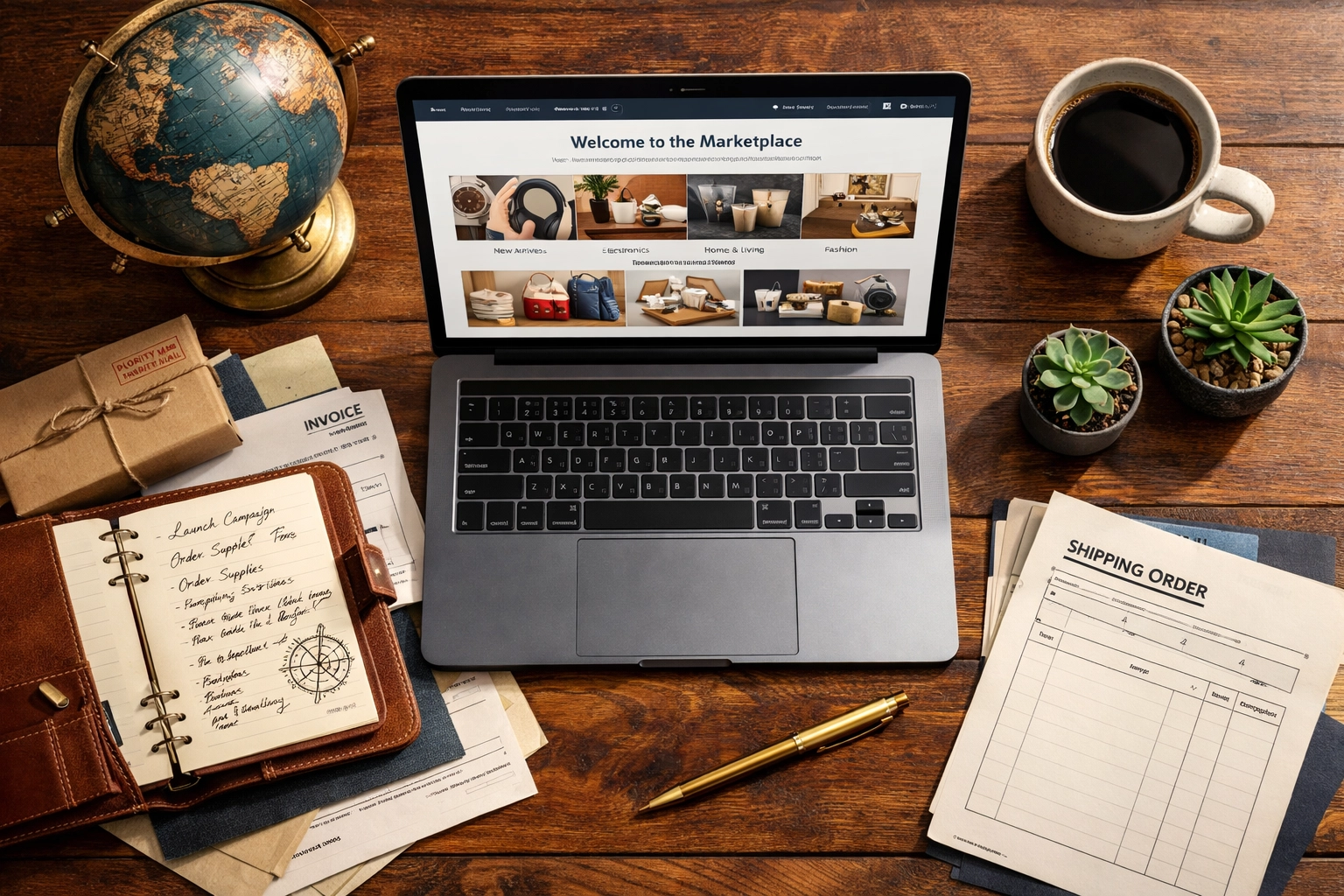
Her Modern Money Move: Hamer would be organizing neighborhood BuyBlack challenges, creating community purchasing groups to support Black farmers and food producers, and connecting elders with technology so they could access online Black-owned marketplaces. She'd see platforms like blackwallstreets.store as modern-day cooperatives: spaces where collective economic power translates into community transformation.
She'd tell you: "Supporting Black businesses isn't charity. It's justice. It's how we take care of each other and build the world our ancestors fought for."
4. Jesse Owens: Excellence Meets Economic Power
Jesse Owens shattered records and Nazi propaganda at the 1936 Berlin Olympics, winning four gold medals and proving that Black excellence can't be denied. But after his athletic career, Owens faced the harsh reality that fame doesn't always translate to financial security for Black athletes. He spent years working various jobs and eventually became a motivational speaker, always advocating for young people to pursue their dreams.
His Modern Money Move: If Owens were here today, he'd be sporting Black-owned athletic wear head-to-toe and urging young athletes to invest in Black-owned sports brands, trainers, and nutritionists. He'd understand that representation matters in every industry: including the billion-dollar sports and fitness world.
Owens would shop the jewelry and accessories section for Black-owned athletic gear and lifestyle brands. He'd remind us that when you BuyBlack in the sports industry, you're supporting the next generation of Black athletes, designers, and entrepreneurs who deserve the same opportunities he fought for.
His message would be simple: "Excellence isn't just about performance. It's about where you choose to invest your success."
5. Maya Angelou: Cultural Currency and Commerce
Dr. Maya Angelou gave us words that healed, challenged, and inspired. But beyond her literary genius, she understood the power of economic independence. Throughout her life, Angelou worked as a dancer, singer, actress, and director: always carving out her own path and creating opportunities for other Black artists. She knew that controlling your narrative meant controlling your economic destiny.
Her Modern Money Move: Angelou would have the most beautiful collection of Black-owned books, art, home goods, and cultural treasures. She'd be that friend who only gives gifts from Black creators: handcrafted jewelry, small-batch candles, original artwork, custom poetry prints. Every purchase would be intentional, every dollar a statement of values.
She'd tell you that when you BuyBlack, you're not just acquiring things: you're preserving culture, celebrating creativity, and ensuring that Black artists and makers can continue their craft. Angelou would see blackwallstreets.store as a digital gallery of Black excellence, where every click supports someone's creative vision.
"We delight in the beauty of the butterfly," she'd remind us, "but rarely admit the changes it has gone through to achieve that beauty." Supporting Black businesses is how we honor that transformation.
The Legacy Lives On: Your Role in the Movement
These five icons weren't just historical figures: they were revolutionaries who understood that economic power is freedom power. They'd recognize the BuyBlack movement as a continuation of the work they started, adapted for our digital age.
The beauty of 2026 is that we have tools they could only dream of. With platforms like blackwallstreets.store, we can discover and support Black-owned businesses from anywhere, building economic power one purchase at a time. We can connect with creators, read their stories, and invest directly in community wealth.
This February, honor these legends by putting your money where their values were. Commit to BuyBlack: not just as a symbolic gesture, but as a regular practice. Browse the marketplace. Support a new Black business every week. Share your finds with your community. Leave reviews. Spread the word.
Because here's the truth these five icons would want you to know: Every dollar you spend is a vote for the future you want to create. Every time you choose a Black-owned business, you're writing the next chapter of Black History. You're not just a consumer; you're an investor in liberation.
So what are you waiting for? Madam Walker, Marcus Garvey, Fannie Lou Hamer, Jesse Owens, and Maya Angelou are watching from the ancestors' realm, cheering you on. Make them proud. BuyBlack today, tomorrow, and every day after that.
The revolution will be funded by us, for us.