
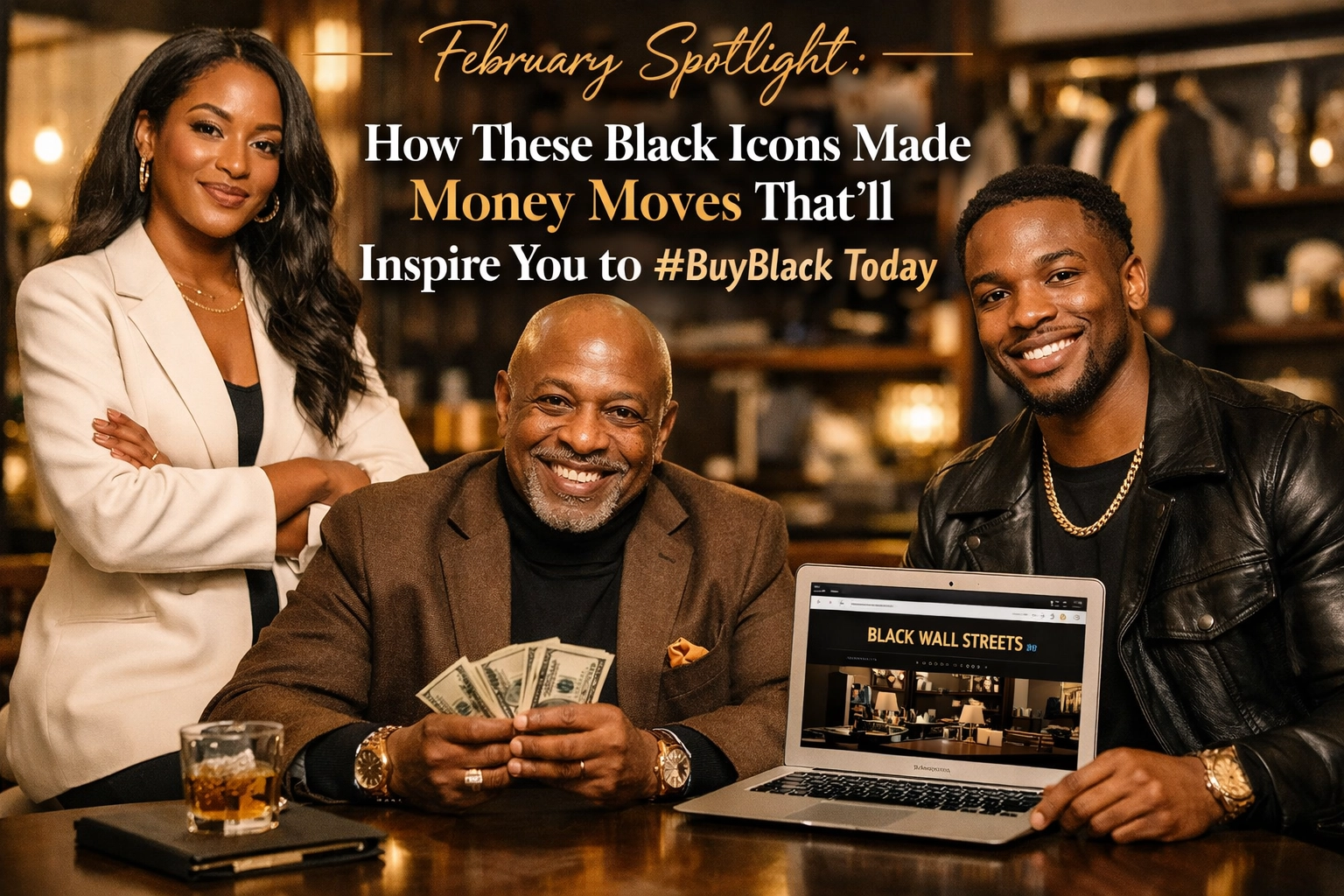
February Spotlight: How These Black Icons Made Money Moves That’ll Inspire You to #BuyBlack Today

February isn't just about heart-shaped chocolates and Valentine's Day cards. It's Black History Month, baby, and we're here to talk about some serious money moves that changed the game forever. These Black icons didn't just make history; they made their dollars work, built empires, and paved the way for us to keep that same energy alive today.
So grab your coffee (or tea, we don't judge), and let's dive into some inspiring stories that'll have you ready to support Black-owned businesses like never before. Because when you #BuyBlack, you're not just making a purchase, you're continuing a legacy.
Madam C.J. Walker: From Washboards to Wealth
Let's start with the OG boss herself. Born Sarah Breedlove in 1867 to formerly enslaved parents, Madam C.J. Walker didn't have a trust fund or venture capital backing her. What she had was a hair problem, determination, and a vision that would make her America's first female self-made millionaire.
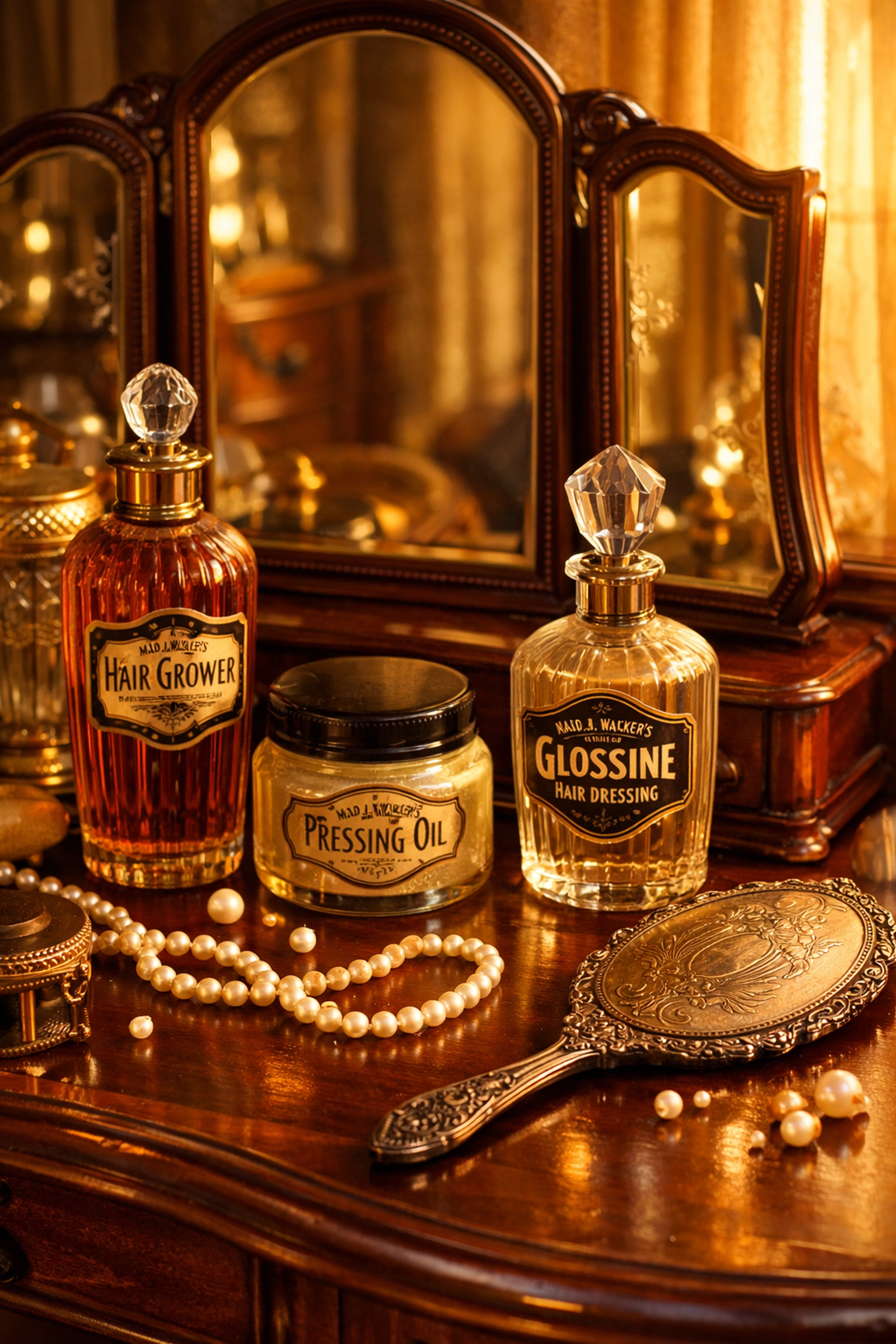
Walker created a line of hair care products specifically for Black women at a time when nobody was thinking about our needs. She went door-to-door selling her products, trained thousands of "Walker agents" across the country, and built a beauty empire that generated the equivalent of millions in today's money. But here's the kicker, she didn't just make money for herself. She employed thousands of Black women, giving them financial independence and entrepreneurial opportunities.
The Modern Money Move: Walker understood something crucial, create products for your community, by your community. When you shop at blackwallstreets.store, you're supporting that same principle. Every Black-owned beauty brand, every handcrafted accessory, every unique product, it's all continuing what Madam C.J. started over a century ago.
Berry Gordy: Building an Empire One Hit at a Time
Ever heard of Motown? Of course you have. Berry Gordy took $800 (borrowed from his family) and turned it into a musical empire that defined a generation. We're talking Diana Ross, Stevie Wonder, Marvin Gaye, The Temptations, literally the soundtrack to Black excellence.
But Gordy wasn't just a music guy. He was a business mastermind who understood vertical integration before it was trendy. He owned the record label, the publishing rights, the management company, and even artist development. He controlled the entire production process, which meant more money stayed in the Black community.
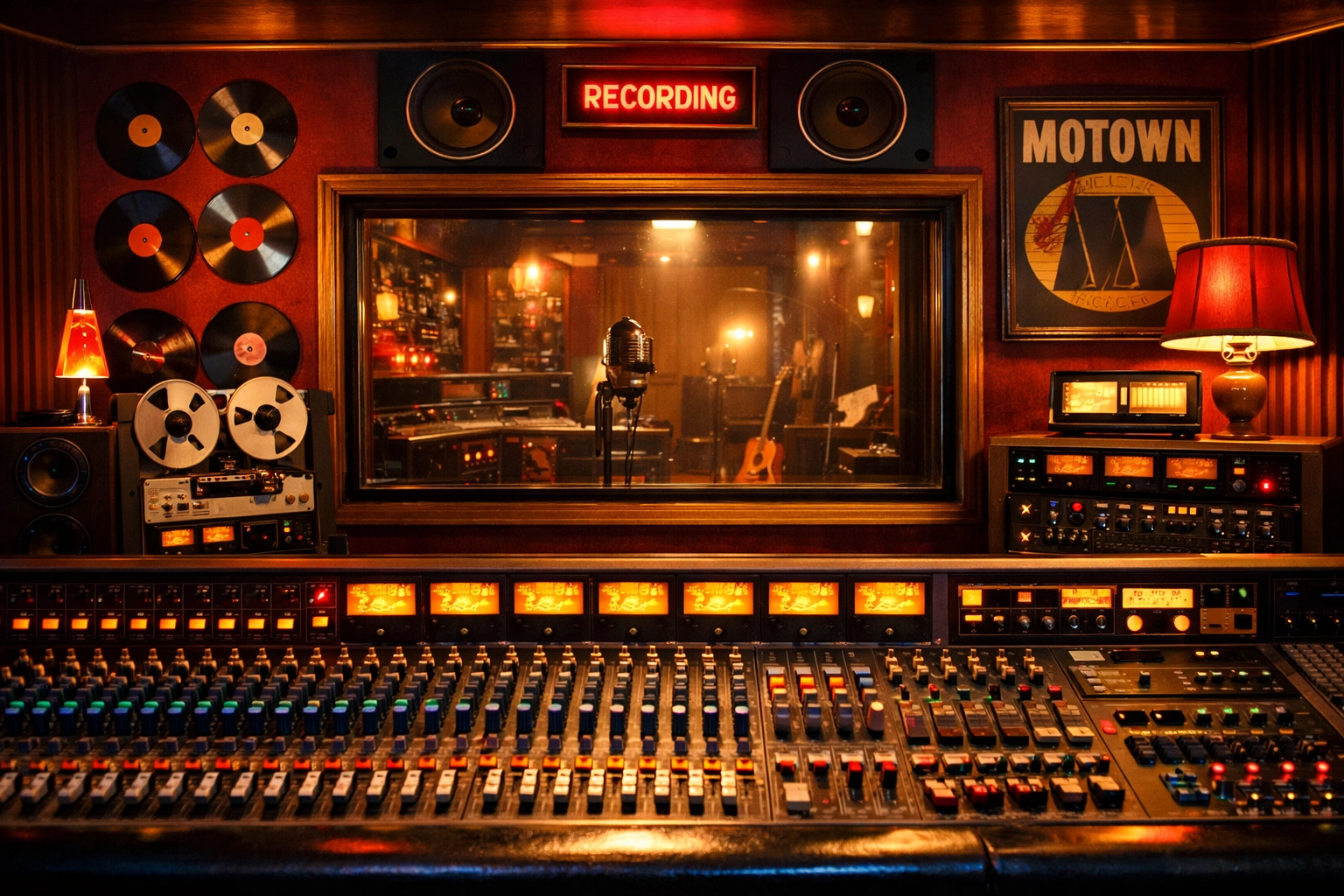
The Modern Money Move: Gordy showed us the power of ownership. When you own the whole supply chain, you control your destiny. That's why supporting Black-owned marketplaces matters. When you #BuyBlack through platforms that prioritize Black entrepreneurs, you're helping build that same kind of economic ecosystem Gordy envisioned.
Reginald F. Lewis: The Billion-Dollar Deal Maker
Okay, so this one might not be a household name, but Reginald F. Lewis should be. In 1987, this Baltimore native orchestrated a $985 million leveraged buyout of Beatrice International Foods, making it the largest Black-owned business in the country at the time. We're talking about a billion-dollar empire with operations in 31 countries.
Lewis didn't come from money, he worked his way through Harvard Law School and built his fortune through strategic acquisitions and smart business moves. He proved that Black executives could play in the big leagues and win.
The Modern Money Move: Lewis was all about strategic thinking and long-term wealth building. Every time you choose to support Black-owned businesses, you're making a strategic move too. You're investing in generational wealth for Black families and communities. Those dollars circulate, create jobs, and build the kind of economic power Lewis fought for.
Oprah Winfrey: From Talk Show Host to Media Mogul
You already know who Oprah is, but let's talk about the money moves. Sure, she had a wildly successful talk show, but the real genius was in 1986 when she formed Harpo Productions (that's "Oprah" spelled backward, by the way). By owning her production company, she retained ownership and creative control of her content.

This move made her a billionaire. Not just a wealthy person: a billionaire. She understood that the real money wasn't in being talent; it was in owning the business. From there, she built OWN (Oprah Winfrey Network), invested in Weight Watchers, and created multiple revenue streams that continue to generate wealth.
The Modern Money Move: Oprah teaches us about diversification and ownership. When you shop Black-owned businesses, look for entrepreneurs who are building brands, not just selling products. Support those who are creating sustainable businesses that can grow and employ others. That's how we build our own Oprahs for the next generation.
Robert F. Smith: Paying It Forward in a Major Way
Robert F. Smith might be the richest Black person in America, with a net worth in the billions. He built his wealth in private equity and technology investing through Vista Equity Partners. But what made headlines in 2019 was when he announced he'd pay off the student loan debt for the entire Morehouse College graduating class: about $34 million worth.
That's not just generosity; that's strategic wealth redistribution. Smith understands that student debt is one of the biggest barriers to Black wealth building. By eliminating that debt, he gave those graduates a 10-15 year head start on building their own wealth.
The Modern Money Move: Smith shows us that economic empowerment is a community effort. When you #BuyBlack, you're participating in a form of wealth circulation that benefits everyone. That money you spend at a Black-owned business pays for someone's kid's college tuition, someone's mortgage, someone's startup capital for their own business. It's all connected.
Why This Matters for Your Wallet Today
Here's the real talk: these icons didn't just make money: they created economic ecosystems. They understood that Black wealth isn't just about individual success; it's about community prosperity.
When you choose to shop at Black-owned businesses, you're making the same kind of strategic move they made. You're saying, "I see the value in keeping money circulating in our community." You're investing in the next Madam C.J. Walker, the next Berry Gordy, the next Oprah.
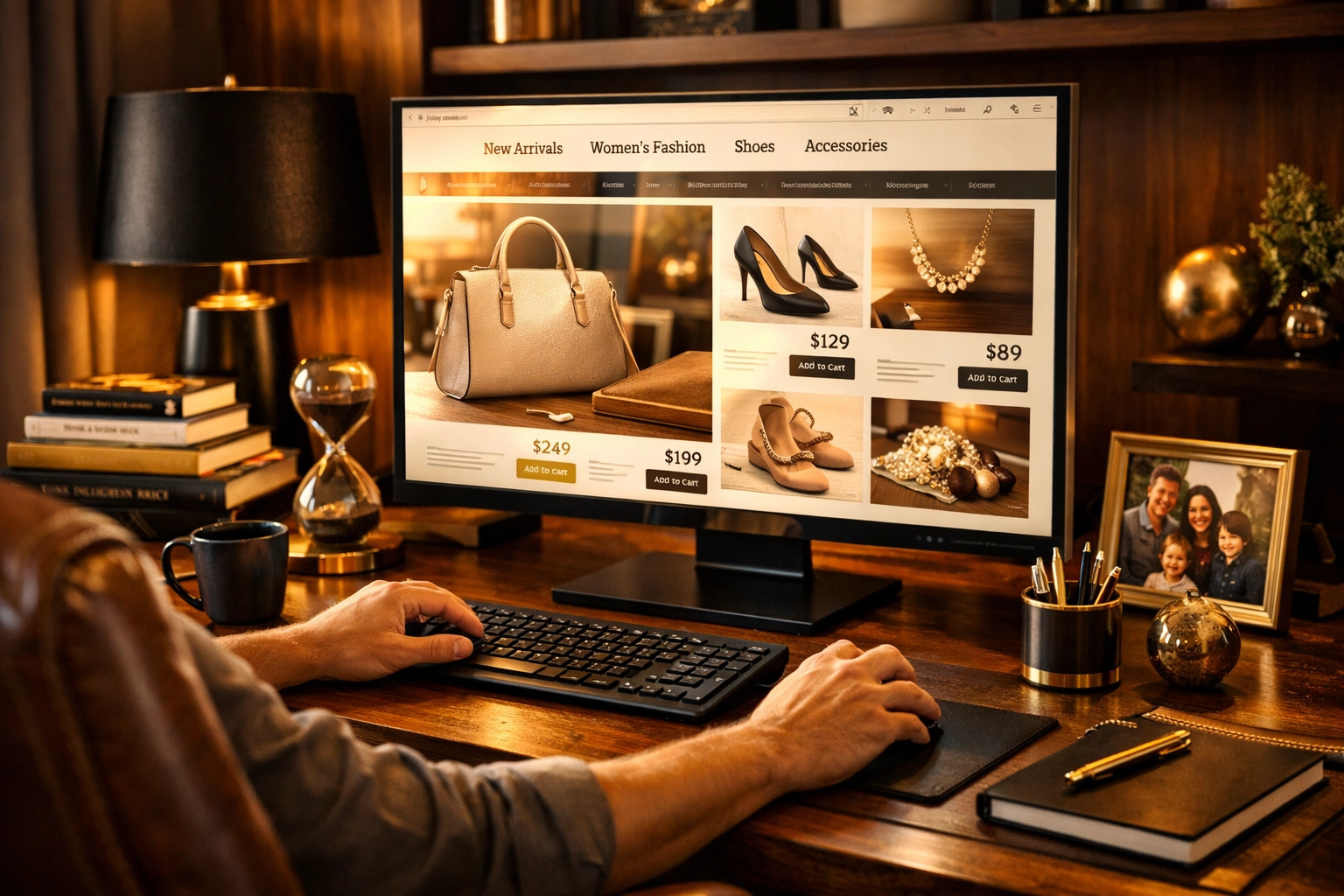
Every purchase is a vote. Every dollar is power. And when those dollars support Black entrepreneurs, you're not just buying a product: you're buying into a legacy of resilience, innovation, and economic independence.
Your Money Move Starts Now
This February, let's honor these icons by continuing what they started. Check out the Black-owned businesses on blackwallstreets.store: whether you need jewelry, accessories, or something unique, make it count.
The beauty of the #BuyBlack movement is that it's not about excluding anyone; it's about intentionally supporting businesses that have historically been overlooked and underfunded. It's about recognizing that economic power is real power, and we all have a role to play in building it.
So this month, and honestly every month, think about where your money goes. Think about Madam C.J. Walker training thousands of women. Think about Berry Gordy creating opportunities for artists. Think about the ripple effect your purchasing decisions can have.
Your money move might not make headlines, but multiply it by thousands of conscious consumers, and suddenly we're talking about real economic impact. We're talking about the kind of change that makes history.
Now that's something worth celebrating: not just in February, but every single day.