
Black Wall Streets Spotlight: Why These 28 Trailblazers Should Inspire You to #BuyBlack Right Now

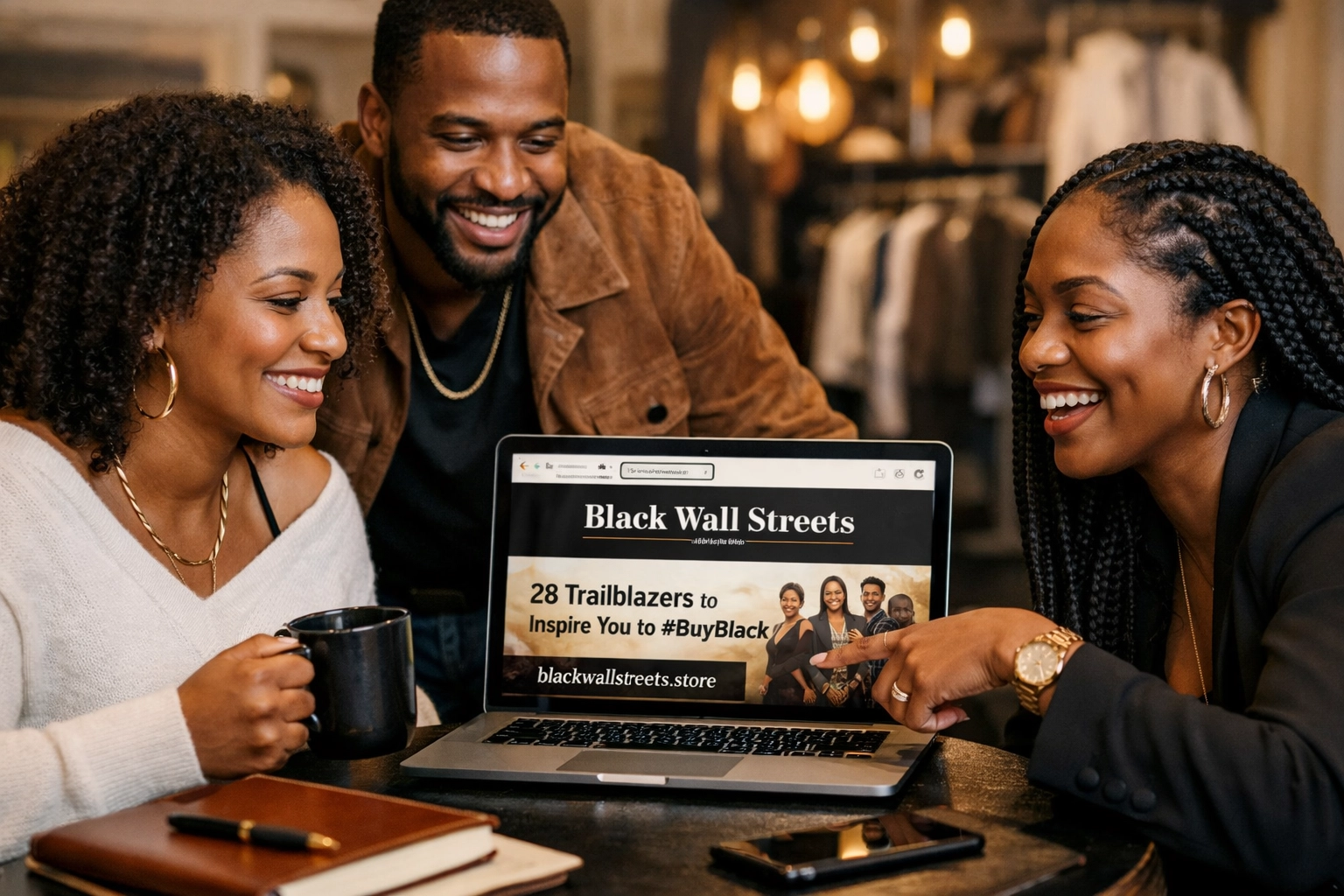
Let's be real: February isn't just about heart-shaped chocolates and Valentine's cards. It's 28 days dedicated to celebrating Black excellence, resilience, and the kind of economic genius that built entire communities from the ground up. And if you think history is just dusty textbooks and boring dates, think again. The trailblazers we're spotlighting this month? They're the blueprint for why the #BuyBlack movement isn't just a trend: it's a legacy.
Here at The Black Wall Streets, we're not just about celebrating Black History Month. We're about connecting the dots between then and now, showing you how supporting Black businesses today is literally walking in the footsteps of legends. So buckle up, because these 28 trailblazers are about to school you on what real economic power looks like.

Why These 28 Matter More Than Ever
Every single day in February represents a different pioneer who refused to accept the limitations society tried to place on them. They built banks when they were denied loans. They created thriving business districts when they weren't allowed in white establishments. They accumulated wealth, educated their communities, and proved that Black economic independence wasn't just possible: it was inevitable.
The modern money move? Recognizing that every time you choose to buyblack, you're not just making a purchase. You're casting a vote for economic empowerment. You're saying, "I see you, I value you, and I'm investing in our collective future."
The Original Greenwood Architects: Building Wealth From Scratch
O.W. Gurley and J.B. Stradford didn't wait for permission to be successful. Gurley arrived in Tulsa with just $500 and turned it into a thriving business empire, including hotels and rental properties. Stradford built the largest Black-owned hotel in America at the time. These weren't men who waited for handouts or "the right time." They created opportunity where none existed.
The Modern Money Move: Stop waiting for the "perfect moment" to support Black entrepreneurs. That Black-owned coffee shop you've been meaning to try? That artisan selling handmade goods on blackwallstreets.store? Today is the perfect moment. Gurley and Stradford didn't have modern e-commerce platforms or social media to amplify their reach: but you have the power to support Black businesses with a single click.
Madam C.J. Walker: The Original Self-Made Millionaire
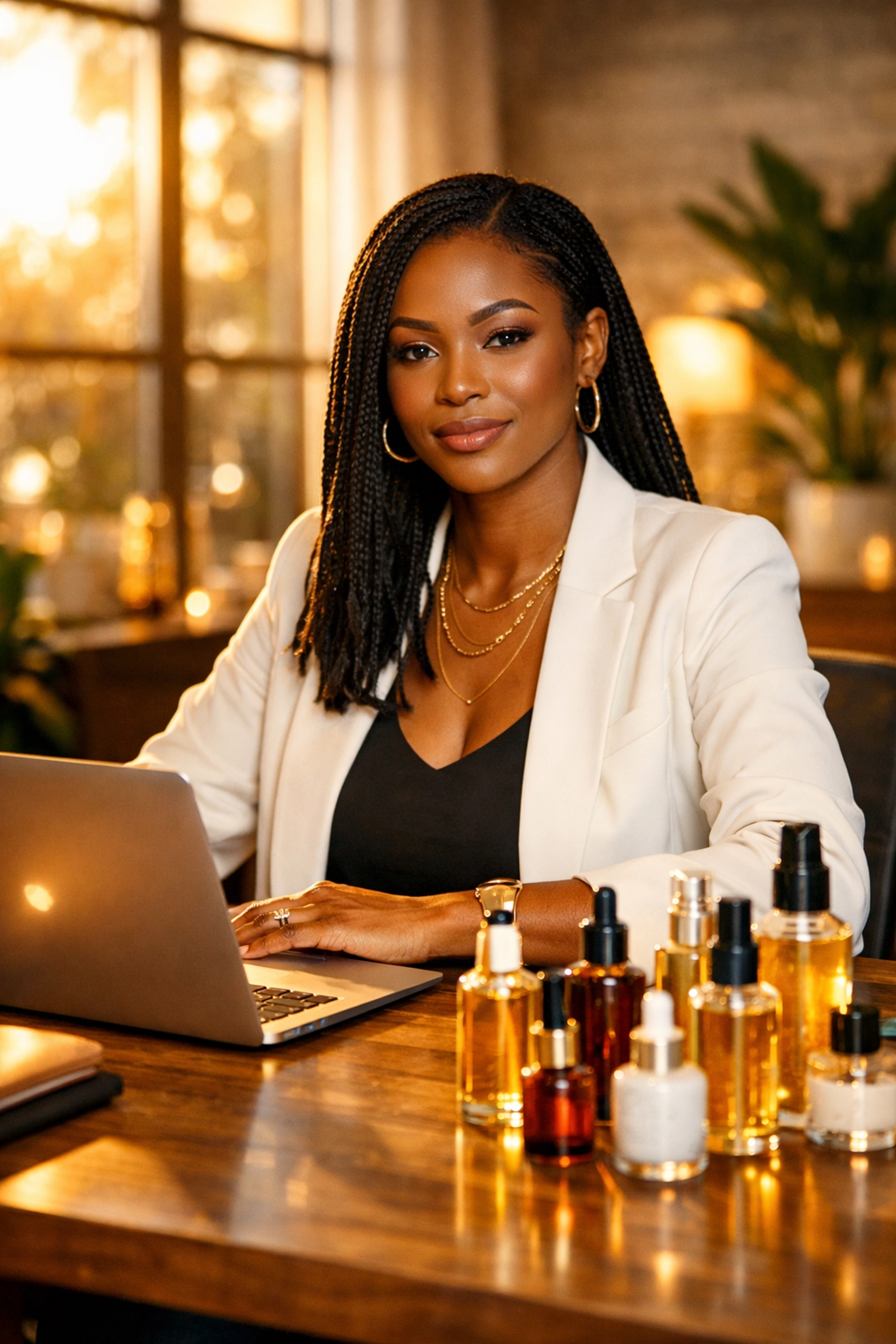
Born Sarah Breedlove to formerly enslaved parents, Madam C.J. Walker became America's first female self-made millionaire by creating a line of beauty and hair care products for Black women. But here's what most people don't know: she didn't just build wealth for herself. She employed thousands of Black women as sales agents, giving them economic independence and dignity at a time when both were in short supply.
The Modern Money Move: When you purchase from Black-owned beauty brands, clothing lines, or any business on our platform, you're doing more than buying a product. You're supporting someone's dream, funding someone's ability to hire within their community, and participating in wealth building that ripples outward. Walker understood that economic power multiplies when it's shared: and so should you.
Booker T. Washington and the Power of Economic Education
Washington founded Tuskegee Institute with a clear mission: economic self-reliance through education and skilled trades. He believed that economic power was the foundation for social equality. While debates about his approach continue, his emphasis on Black people controlling their own economic destiny remains powerfully relevant.
The Modern Money Move: Educate yourself about the Black businesses in your community and online. Follow them on social media. Share their content. Learn their stories. The more you know about who you're supporting and why it matters, the more intentional your spending becomes. Washington would've loved the internet: imagine what he could've done with an e-commerce marketplace dedicated to Black entrepreneurs.
Mary Ellen Pleasant: The Mother of Civil Rights in California
Often called "The Mother of Civil Rights in California," Pleasant was a financial genius who made her fortune in gold rush-era San Francisco. She used her wealth to fund abolitionist causes and civil rights cases, understanding that money wasn't just power: it was freedom.
The Modern Money Move: Your spending is political. Every dollar you circulate within the Black community is an act of resistance against economic inequality. Pleasant knew that wealth without purpose was meaningless. When you choose to buyblack, you're funding more than inventory: you're funding dreams, innovation, and the next generation of Black excellence.
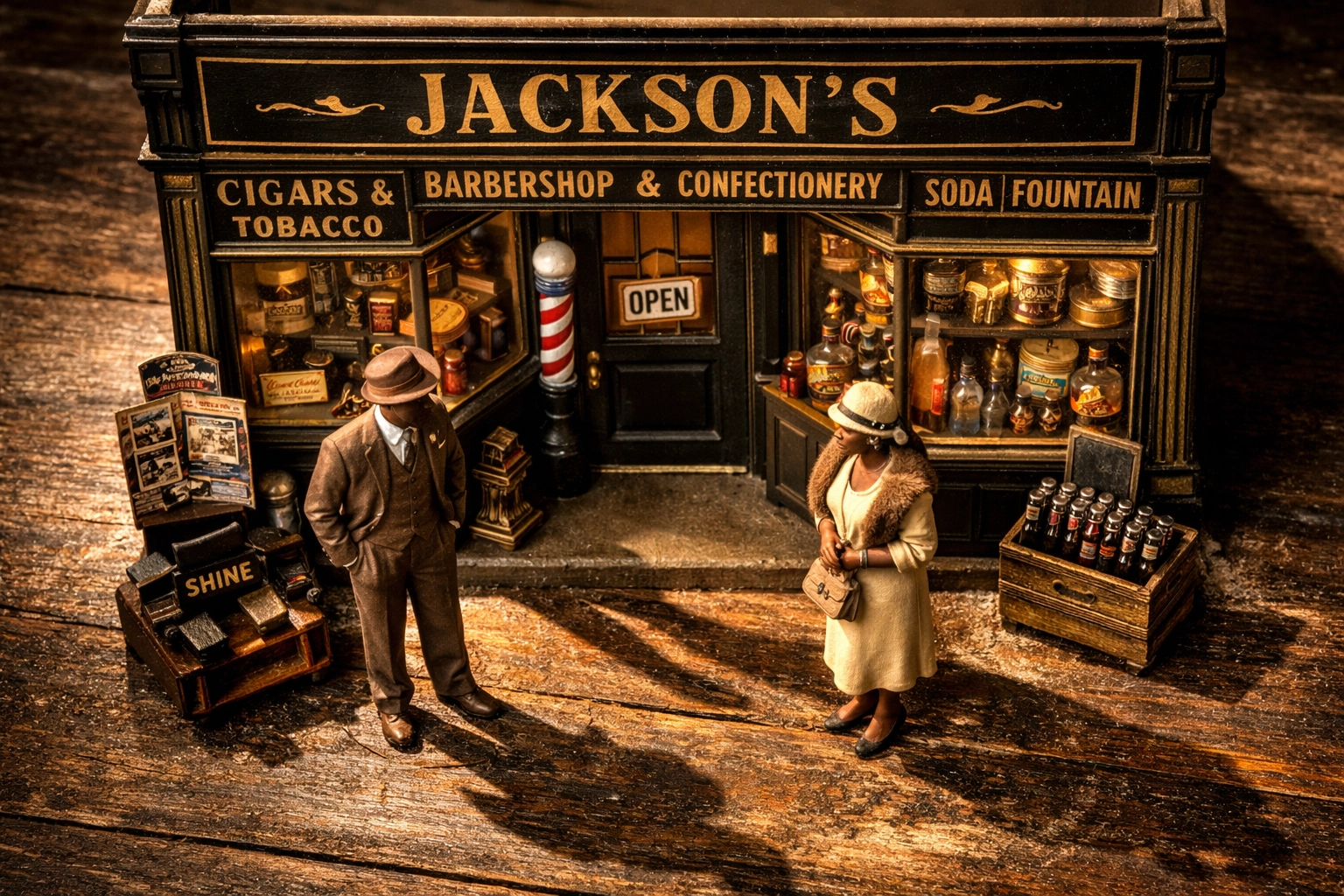
The Forgotten Entrepreneurs Who Built Black Wall Street
Beyond the famous names were hundreds of Black doctors, lawyers, teachers, shop owners, and service providers who made Greenwood thrive. They understood something crucial: when Black people support Black businesses, entire communities flourish. Money circulated within the community multiple times, creating a multiplier effect that built generational wealth.
The Modern Money Move: This is where you come in. The principle hasn't changed: it's just gone digital. When you shop at blackwallstreets.store, you're participating in that same economic ecosystem. You're helping money circulate within our community. You're helping Black entrepreneurs reinvest in their businesses, hire employees, and build the kind of generational wealth that creates opportunity for everyone.
Annie Malone: The Forgotten Hair Care Mogul
Before Madam C.J. Walker (who actually worked for Malone first), Annie Malone built a multimillion-dollar empire with Poro Beauty Products. At her peak, she was worth more than $14 million and employed over 175 people at her factory. She used her wealth to fund education and support Black institutions.
The Modern Money Move: Success isn't a zero-sum game. Malone and Walker both thrived. The Black beauty industry they pioneered is now worth billions: and Black-owned brands still need your support to compete with corporate giants. Your purchasing power can level the playing field. Every Black-owned product you buy is a statement that our businesses deserve shelf space, market share, and your loyalty.
A.G. Gaston: From Poverty to Empire
Arthur George Gaston started with nothing and built a business empire that included insurance, banking, real estate, and more. His philosophy? "Find a need and fill it." He accumulated a fortune of over $130 million by serving his community's needs when mainstream businesses wouldn't.
The Modern Money Move: Black entrepreneurs today are still filling gaps, creating products for overlooked markets, and innovating in ways mainstream businesses ignore. When you buyblack, you're not settling for second best: you're often getting products specifically designed with you in mind. You're getting authenticity, quality, and cultural understanding that mass-market brands can't replicate.
The Banking Pioneers Who Said "We'll Do It Ourselves"
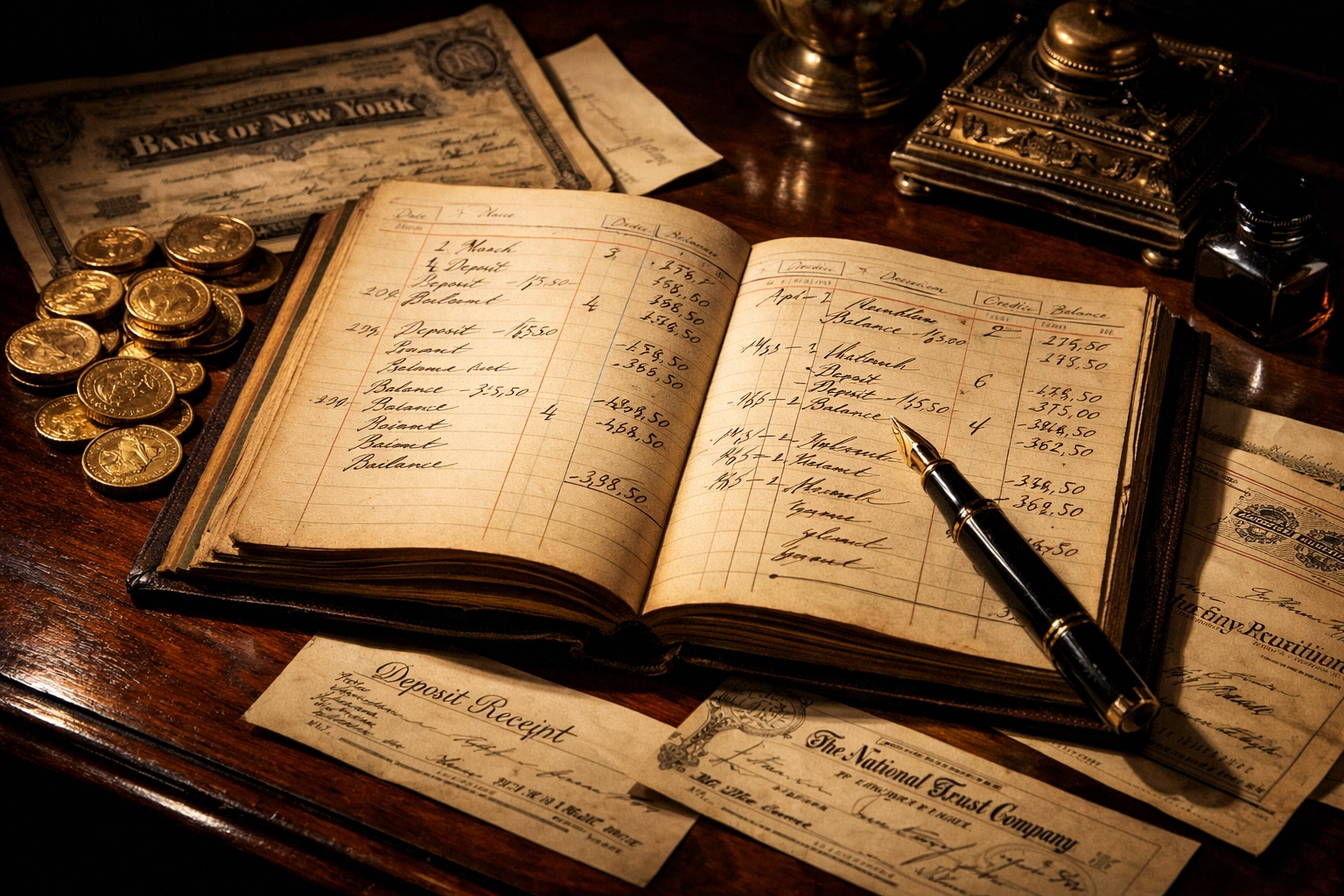
When Black people were systematically denied loans, they created their own banks. The True Reformers Bank, the Capitol Savings Bank of Washington D.C., and dozens of others sprung up across the country. These institutions understood that economic freedom requires financial infrastructure.
The Modern Money Move: Support Black-owned financial services, investment platforms, and economic initiatives. But also recognize that platforms like The Black Wall Streets are part of that infrastructure: creating digital spaces where Black commerce can thrive without barriers, algorithms that suppress reach, or gatekeepers who don't see our value.
Maggie Lena Walker: The First Female Bank President
In 1903, Maggie Lena Walker became the first African American woman to charter a bank in the United States. The St. Luke Penny Savings Bank was revolutionary: it provided financial services to Black customers who were turned away elsewhere and preached the gospel of economic independence.
The Modern Money Move: Access has changed, but the principle remains. When you actively choose to support Black businesses rather than defaulting to Amazon or big-box retailers, you're making a Maggie Lena Walker move. You're saying that our economic independence still matters, that our businesses still deserve to thrive, and that you're willing to be intentional about where your money goes.
Your Role in the Next Chapter
Here's the thing about history: we're living it right now. Every trailblazer we've highlighted faced obstacles we can barely imagine. They didn't have e-commerce platforms, social media marketing, or a supportive hashtag movement. They had determination, community support, and an unwavering belief that Black economic power was their birthright.
You have something they didn't: unprecedented access. You can support a Black business in Atlanta while sitting in Seattle. You can discover Black entrepreneurs worldwide with a simple search. You can make the buyblack movement not just a February thing, but a lifestyle.

The Call to Action Is Simple
These 28 trailblazers: representing 28 days of February: aren't just history. They're prophecy. They predicted a future where Black economic power would flourish, where our businesses would thrive, and where supporting each other wasn't just survival: it was strategy.
Visit blackwallstreets.store today. Browse the marketplace. Discover Black-owned businesses you never knew existed. Make a purchase. Share a product. Tell a friend. Because the legacy of Black Wall Street isn't preserved in museums: it's perpetuated every time you choose to buyblack.
The trailblazers paved the path. It's up to us to walk it. And trust us: the view from here is pretty incredible when we move together.