
Why Sonny’s People of Interest Will Change the Way You Support Black-Owned Businesses

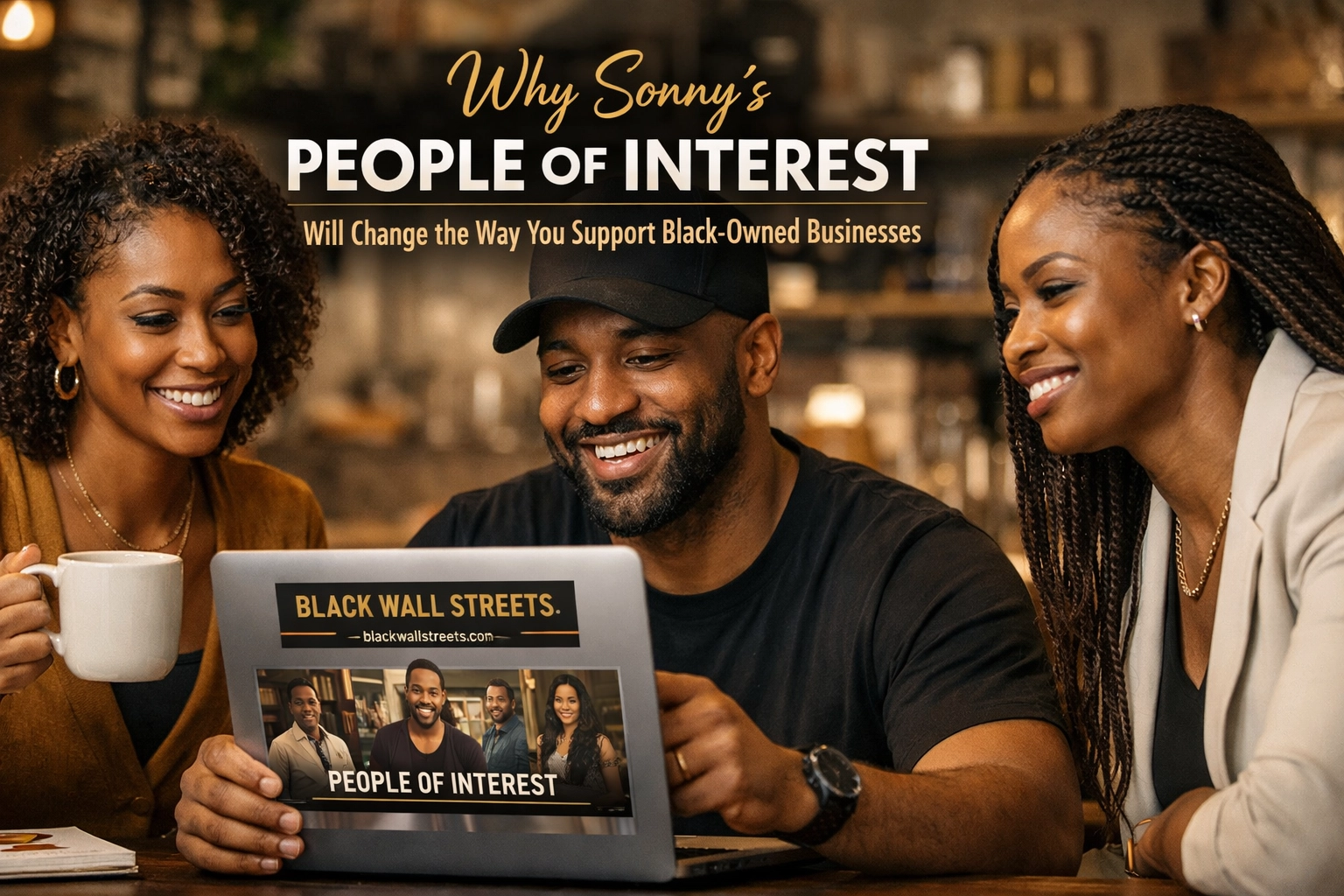
Let’s be real for a second. We’ve all seen the posts. We’ve all seen the hashtags. Every February, our feeds are flooded with Black history facts, the same five or six names, the same stories of struggle, and the same general call to "remember." While remembering is vital, here at The Black Wall Streets, we realized something was missing. We didn’t just want to remember the past; we wanted to provide a blueprint for the future.
That’s why we teamed up with Sonny to curate a daily showcase of "People of Interest." This wasn’t just a history lesson; it was a strategic deep dive. Sonny’s curation shifted the narrative from struggle to strategy. It wasn't about who suffered the most; it was about who made the smartest "Modern Money Moves" before the term even existed.
When you look at the curated list Sonny put together, you start to see that supporting Black-owned businesses isn’t an act of charity. It’s a tactical economic maneuver. It’s about moving from being a "consumer" to becoming a "stakeholder."
The Power of the "Modern Money Move"
The core philosophy behind Sonny’s curation is the idea of the Modern Money Move. We’ve spent years looking at successful entrepreneurs through the lens of their achievements, but we rarely look at the specific financial strategies they used to build their empires. By highlighting these moves, we make success tangible and, more importantly, replicable.
If we want to change the economic landscape for our community, we have to stop looking at Black history as a museum exhibit and start looking at it as a masterclass.

Maggie Lena Walker: The Queen of Circulation
Take Maggie Lena Walker, for example. Sonny highlighted her not just because she was the first African American woman to charter a bank in the U.S., but because of her strategy of Circulation.
Walker understood that a dollar leaving the community was a lost opportunity for growth. By establishing the St. Luke Penny Savings Bank, she ensured that the community’s "pennies" stayed within the community to fund homes, businesses, and dreams. Her "Modern Money Move" was simple but revolutionary: keep the money moving in circles within the neighborhood.
Today, we apply that same logic when we #BuyBlack. When you head over to blackwallstreets.store to pick up your essentials, you aren't just buying a product. You are participating in that same cycle of circulation that Maggie Lena Walker championed over a century ago. You are making a conscious decision to ensure your capital empowers someone who looks like you.
Berry Gordy: The King of Ownership
Then you have Berry Gordy. Most people know him as the founder of Motown, but Sonny’s curation focused on his strategy of Ownership. Gordy didn’t just want to produce hits; he wanted to own the masters, the publishing, and the process. He created a vertically integrated system where he controlled every aspect of the business.
Gordy’s "Modern Money Move" reminds us that true wealth is found in what you own, not just what you earn. This is why we focus so heavily on our marketplace. We want to provide a platform where Black creators own their brands and reach their audience directly. Whether you’re looking for a new look in jewelry and accessories or looking for specific hats and caps, you are supporting an ecosystem of ownership.

From Charity to Strategic Investment
One of the biggest shifts Sonny’s People of Interest highlights is the mindset change regarding the #BuyBlack movement. For too long, the narrative has been that we should support Black businesses because they "need" us.
That’s a charity mindset, and charity doesn't build empires.
The strategy mindset, however, views every purchase as a form of venture capitalism. When you buy from a Black-owned business, you are acting as a seed investor for the community. You are providing the capital that allows that business to hire more people, improve its products, and eventually reinvest in the community’s schools and infrastructure.
Think about it. The legendary entrepreneurs featured in Sonny’s curation didn't just build wealth for themselves. They built schools, they funded the Civil Rights Movement, and they provided the safety nets that the government wouldn't. They were the original venture capitalists of the Black community.
By following their lead, we transform the act of shopping into an act of strategy. Every time you add something to your wishlist, you are identifying a future investment in your community.
Replication, Not Just Representation
We’ve all heard the word "representation" a thousand times. Yes, seeing people who look like us in high places is important. But Sonny’s curation argues that representation is just the first step. The second, and more crucial step, is replication.
It’s not enough to know that A.G. Gaston built a multi-million dollar empire in insurance and communications. We need to understand how he did it. He found a need, in his case, the need for affordable burial insurance for Black families, and he filled it with a high-quality service.
We can replicate that today. We see the needs in our community for quality hair accessories or stylish sunglasses and eyewear. By supporting the entrepreneurs who are filling these gaps, we are replicating the success models of the past.
Why This Matters in 2026
You might be asking, "Why are we talking about this in April?" Because the work of building wealth doesn't have a season. Black history isn't a 28-day event; it's a 365-day responsibility. Sonny’s "People of Interest" was designed to give us the fuel to keep going long after the calendars flip.
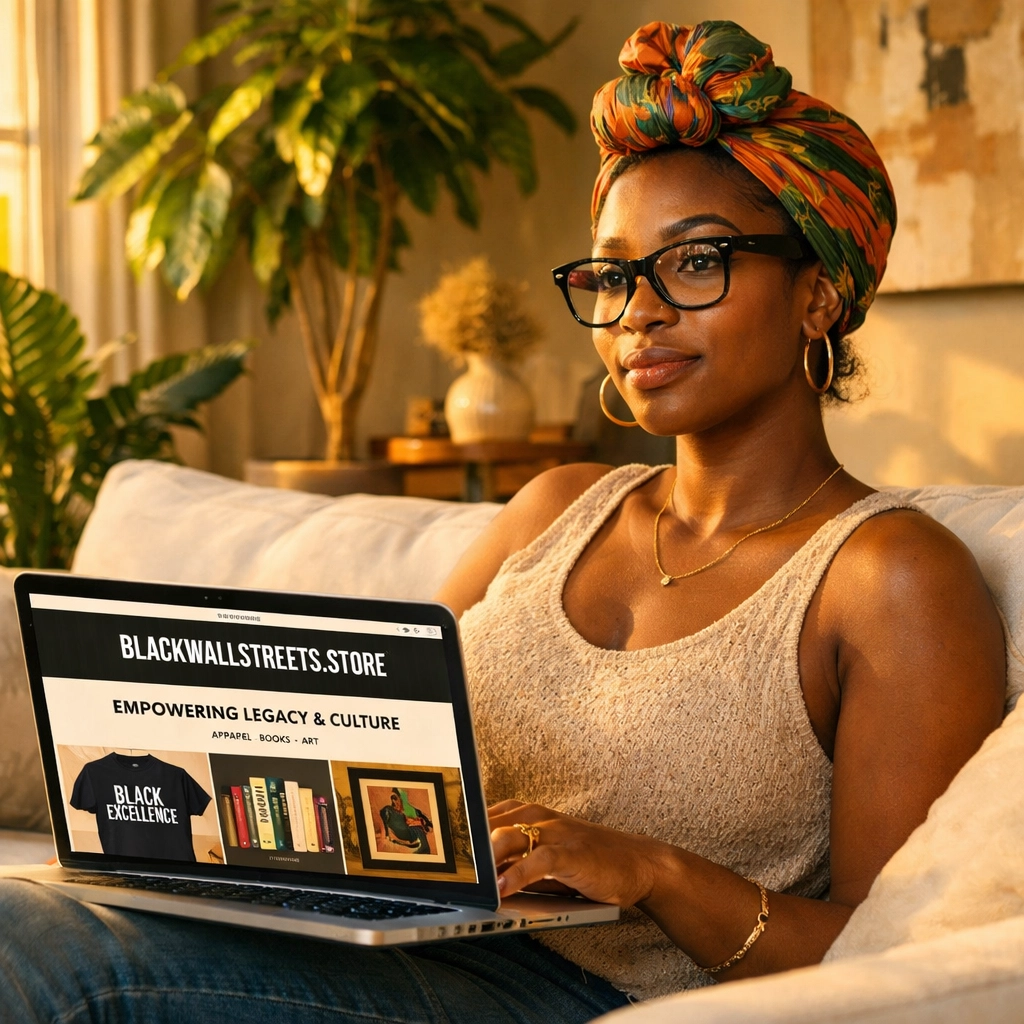
The economic landscape is changing rapidly. Digital marketplaces are the new main streets. If we want to ensure our community isn't left behind, we have to be intentional. We have to use tools like blackwallstreets.store to consolidate our buying power.
Whether you are looking for winter hats for the tail end of the cold season or sun hats as we head into spring, every choice matters. It’s about the scarves and wraps you choose, the keychains you carry, and even the cosmetic bags you use. These are all opportunities to practice the "Modern Money Moves" of our ancestors.
Your Move
Sonny’s curation has given us the blueprint. We’ve seen the biographies, we’ve analyzed the moves, and we’ve understood the strategies. Now, the ball is in our court.
Are we going to be passive consumers, or are we going to be strategic stakeholders?
Supporting Black-owned businesses is about more than just the product. It’s about the legacy. It’s about ensuring that the next generation doesn't just have heroes to look up to, but systems they can step into.
So, next time you go to make a purchase, ask yourself: "What would Maggie Lena Walker do?" Better yet, ask yourself: "Is this move building community wealth?"
If the answer is yes, then you’re doing more than just shopping. You’re making a Modern Money Move. And that, more than anything else, is how we change the way we support Black-owned businesses forever.
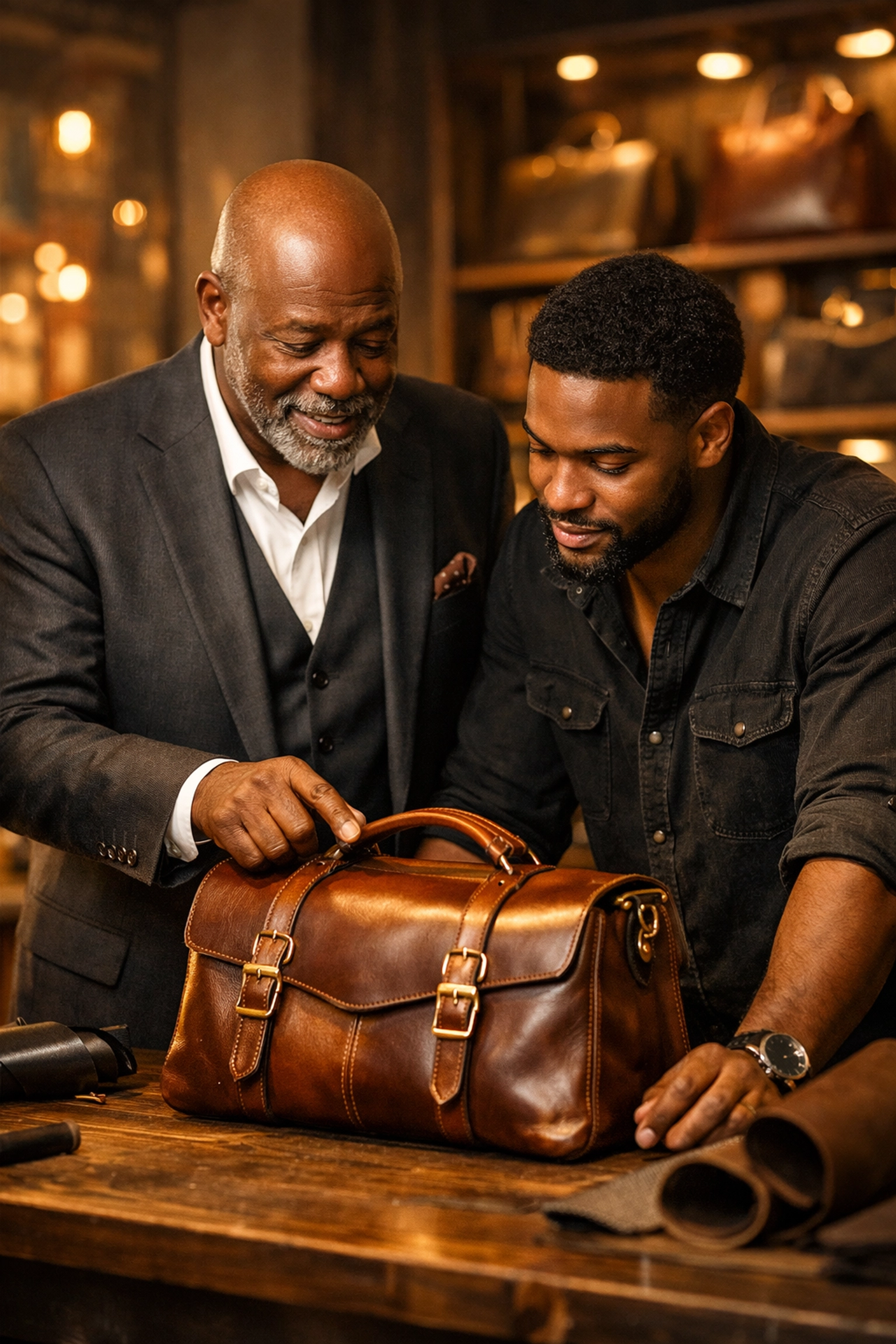
Check out the latest arrivals and make your next move at The Black Wall Streets. From headbands to gloves, let’s keep the circulation going. #BuyBlack isn't just a trend; it's the strategy for our future.