
Did You Know? 5 Black Achievements From This Week + Historical Facts That'll Change How You See Black Excellence


Let's be real, Black excellence doesn't take a day off. But somehow, a lot of our wins slip through the cracks of mainstream coverage. That's why we're here every single day, pulling back the curtain on the achievements, innovations, and historical truths that deserve your attention.
This week isn't just any week. We're living through a monumental milestone that started a century ago, and we're breaking down why it matters, along with some mind-blowing facts about our ancestors that'll have you rethinking everything you thought you knew about Black history.
This Week's Biggest Story: 100 Years of Black History Month
February 2026 marks 100 years since Dr. Carter G. Woodson founded Negro History Week in 1926. Yeah, you read that right, a whole century of intentionally celebrating, documenting, and elevating Black contributions to world history.
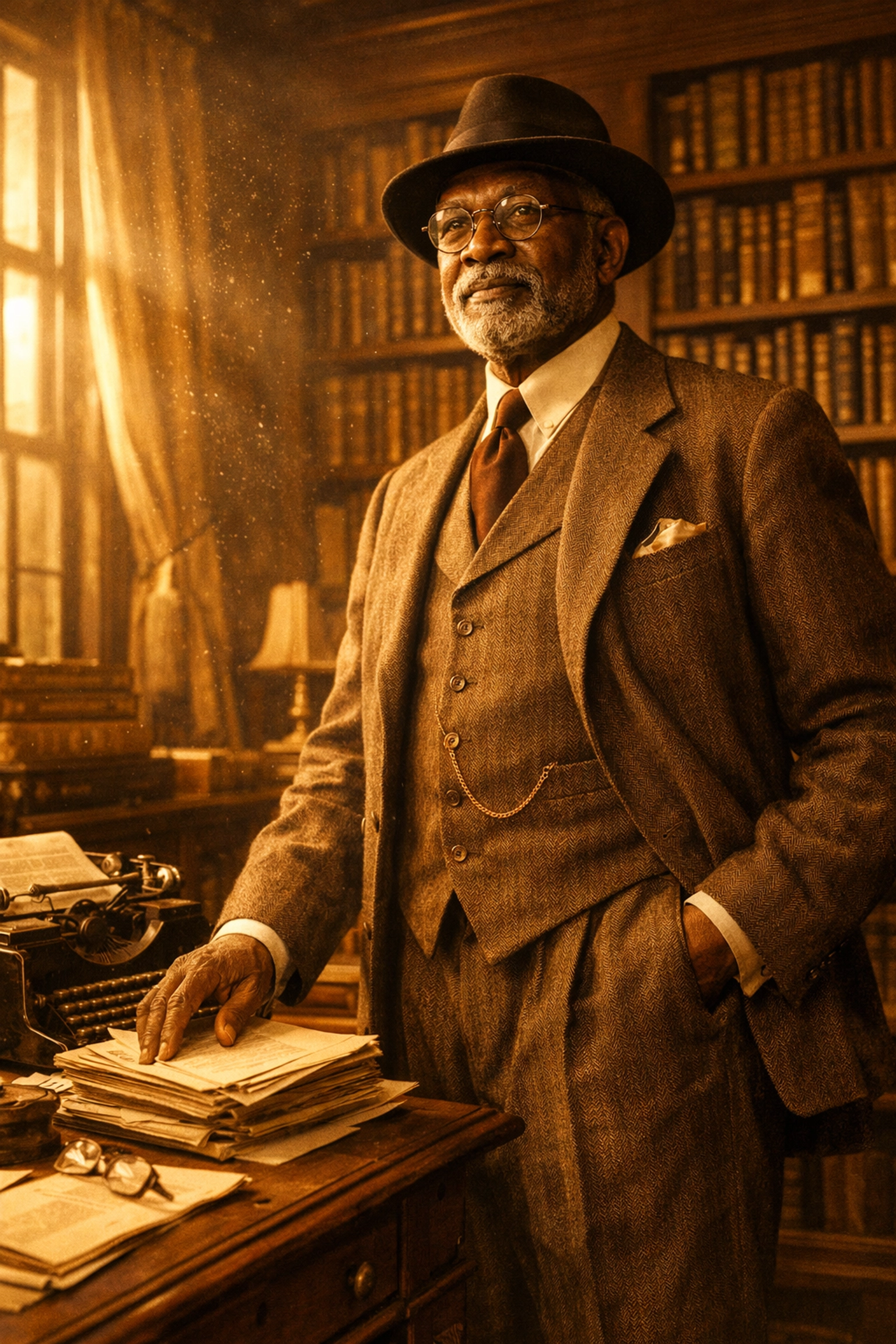
Dr. Woodson didn't just want one week or one month. He wanted Black history integrated into the fabric of American education every single day. But he knew that without a dedicated spotlight, our stories would continue to be erased, whitewashed, or footnoted to death. So he created Negro History Week, which eventually evolved into the Black History Month we know today.
Here's the impact: Over the last 100 years, this movement has transformed schools, museums, archives, libraries, and public spaces globally. It's created a foundation where Black contributions aren't just acknowledged, they're celebrated as essential to human progress.
And that's exactly what we're about at The Black Wall Streets. We're not waiting for permission to tell our stories or celebrate our wins. We're building an ecosystem where Black entrepreneurs, creators, and innovators get the shine they deserve, 365 days a year.
The Invention That Literally Keeps Us Safe Every Day
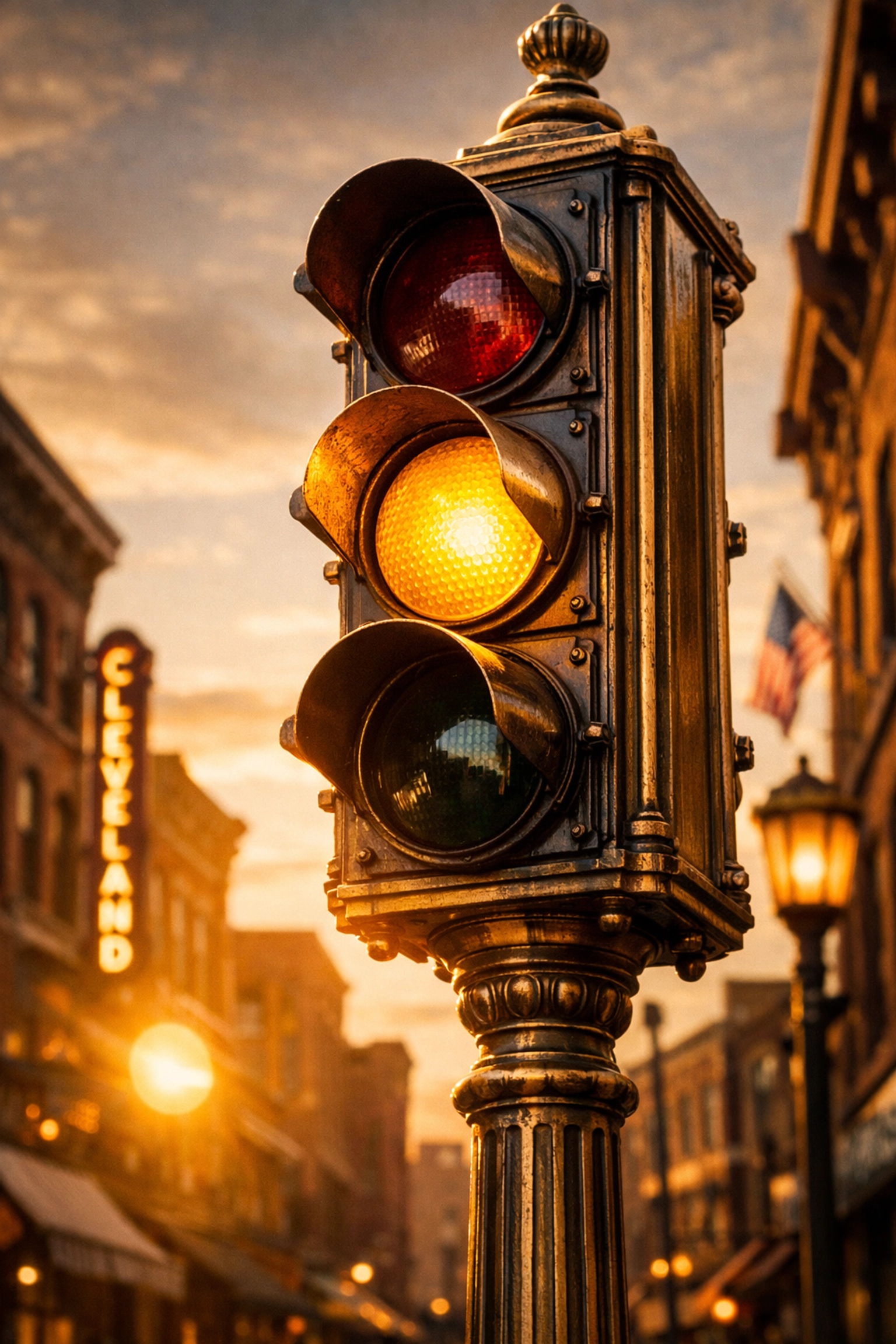
Here's something they probably glossed over in your history class: Garrett Morgan, a Black inventor from Cleveland, created the three-position traffic signal in 1923.
You know that yellow light that gives you a second to decide whether to gun it or brake? That was Garrett's genius. Before his invention, traffic signals only had two positions, stop and go, which caused absolute chaos and tons of accidents at intersections.
Morgan's design added that crucial warning signal, and it became the foundation for every traffic light system we use today. He sold the patent to General Electric for $40,000 (over $700,000 in today's money), but his contribution? Priceless. Literally every time you're at a stoplight, you're benefiting from Black innovation.
This is the kind of everyday excellence that gets buried. Morgan also invented an early version of the gas mask that saved countless lives, especially for firefighters and soldiers. Black brilliance has been protecting and improving lives for generations, and it's still happening today.
The Black Brigade: First to Fight, Last to Get Credit
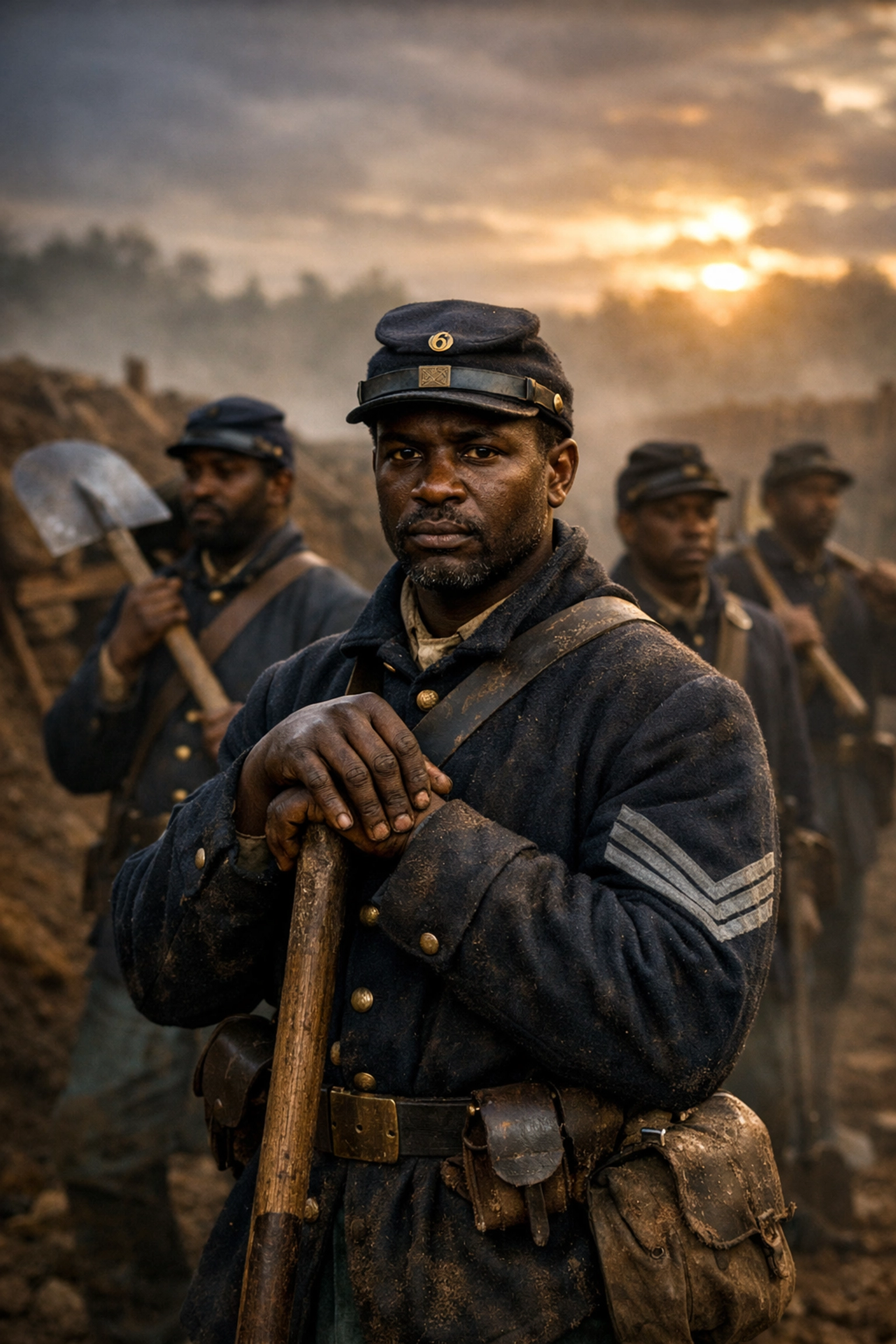
Let's talk military history for a second. The Black Brigade of Cincinnati became the first U.S. military unit of Black soldiers to serve in the Civil War. These men volunteered to defend Cincinnati against Confederate invasion in 1862, even though they weren't officially recognized as soldiers and had zero guarantee of equal treatment.
They dug miles of fortifications, worked around the clock in brutal conditions, and proved beyond any doubt that Black men were ready, willing, and more than capable of defending this country. Yet their service was largely ignored by history books for decades.
This pattern repeats itself throughout history: Black people show up, do the work, make the sacrifice, and then have to fight twice as hard just to get the credit. That's why documentation matters. That's why businesses like The Black Wall Streets matter. We're making sure the receipts are kept and the recognition is given.
Ancient Kemet: The Civilization That Changed Everything
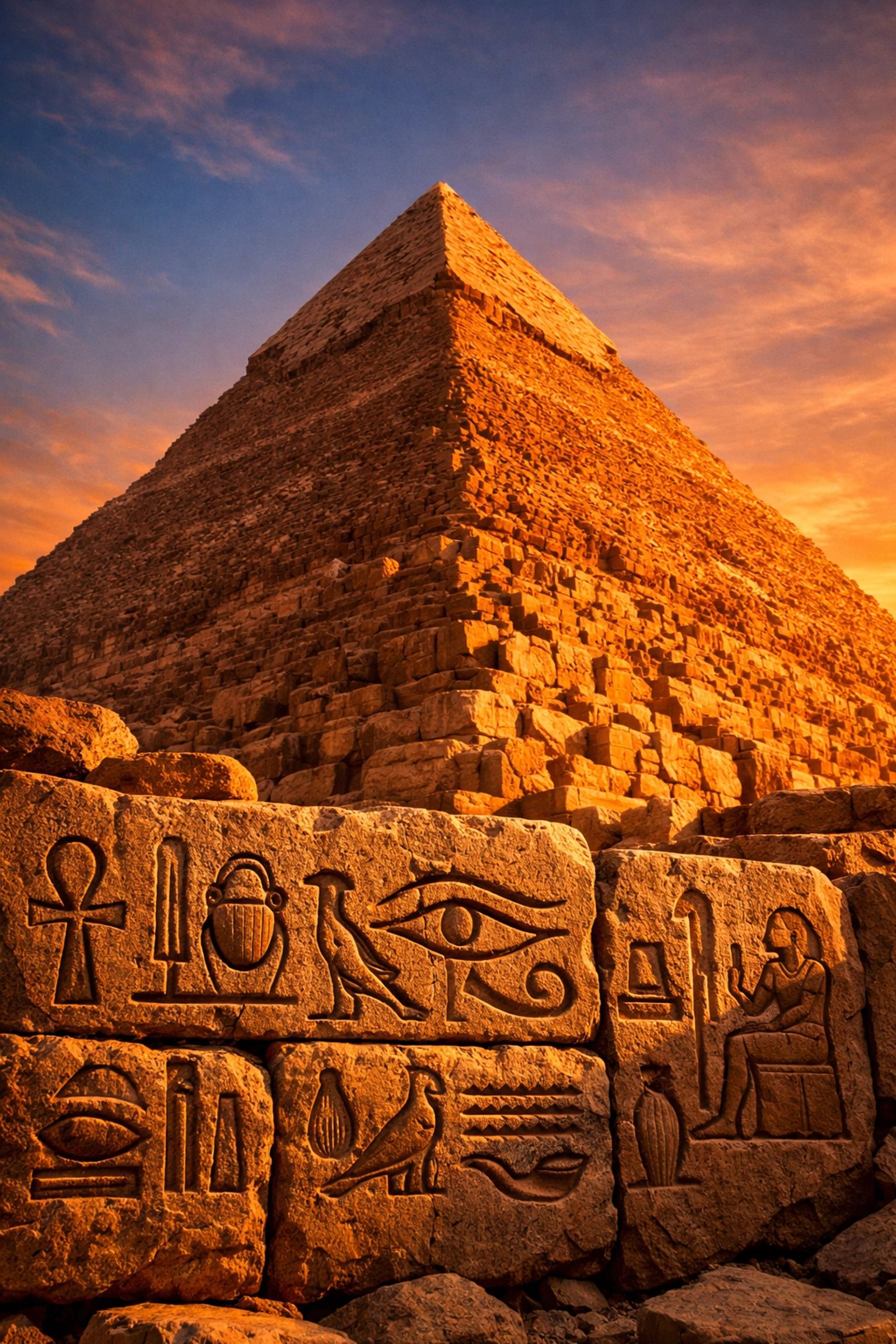
Now let's rewind a few thousand years, because before slavery, before colonization, before all of that trauma: there was Kemet (ancient Egypt). And it was Black African civilization at its peak.
Did you know:
-
Mathematics and geometry as we know it today? Thank Kemet. The Great Pyramid of Giza was built with mathematical precision that modern engineers still struggle to fully explain.
-
Medicine and surgery? Ancient Kemetic physicians were performing complex surgical procedures, including brain surgery, over 3,000 years ago. They had specialized doctors for different parts of the body: a concept we think is "modern."
-
Architecture and engineering? Kemetic builders constructed monuments that have lasted millennia, using techniques that required advanced understanding of physics, astronomy, and materials science.
-
Philosophy and spirituality? The concept of Ma'at: truth, balance, order, harmony, law, morality, and justice: was the foundation of Kemetic society and influenced philosophical thought across cultures.
This wasn't some primitive society. This was a thriving, advanced, brilliant civilization that laid groundwork for what we now call "Western civilization." And it was African. It was Black.
Understanding this history isn't about dwelling in the past: it's about recognizing the depth of greatness that runs through our lineage. When you support Black-owned businesses, you're tapping into thousands of years of innovation, creativity, and excellence.
Why This All Connects to What We're Building
Here's the thread that ties everything together: Black excellence has always existed, but the systems that amplify and support it haven't.
Dr. Woodson had to create Negro History Week because our achievements were being systematically erased. Garrett Morgan had to fight to get his inventions recognized. The Black Brigade served with distinction but got written out of the narrative. Ancient Kemet's contributions got whitewashed for centuries.
The mission of The Black Wall Streets is simple: create the infrastructure where Black innovation, entrepreneurship, and creativity don't just survive: they thrive.
When you shop on our marketplace, you're doing more than buying products. You're:
- Supporting Black entrepreneurs who are building generational wealth
- Investing in community infrastructure that keeps dollars circulating within our economy
- Reclaiming narratives by proving that Black excellence isn't exceptional: it's consistent, it's powerful, and it's everywhere
The Real Data Behind Black Economic Power
Let's talk numbers for a second, because data tells a story that's hard to ignore.
According to research from BlackDemographics.com and other sources tracking Black economic trends, Black consumers have tremendous purchasing power: over $1.6 trillion annually. But here's the problem: less than 2% of that money stays within Black communities.
Compare that to other communities where money circulates 6-8 times before leaving, and you start to see why wealth-building has been such an uphill battle. It's not about how much we earn: it's about where that money flows afterward.
This is exactly what the original Black Wall Street in Tulsa understood. Money circulated within the community, creating a multiplier effect that built real wealth. Banks, businesses, theaters, schools: all thriving because the community invested in itself.
That's the blueprint we're reviving. Every purchase on our platform helps another Black entrepreneur hire, expand, and reinvest. It's economic empowerment through intentional action.
Your Move: What Black Excellence Looks Like Today
Black History Month hitting its 100-year milestone isn't just a moment to reflect: it's a call to action. Dr. Woodson started this movement because he understood that knowledge without action is just interesting information.
So here's what you can do right now:
-
Shop Black-owned: not just in February, but year-round. Make it a lifestyle, not a trend.
-
Share these stories: the more people who know about Garrett Morgan, the Black Brigade, and ancient Kemet, the harder it becomes to erase us from history.
-
Build with us: whether you're an entrepreneur looking to sell on our platform or a supporter ready to invest in community, we're building something lasting at The Black Wall Streets.
-
Demand more: from your schools, your media, your employers. Black history is American history. Period.
The next 100 years of Black excellence aren't going to wait for permission or validation. We're writing the next chapter right now: together.
Ready to be part of the movement? Check out our marketplace and see what Black excellence looks like when it's properly supported. Every purchase is a vote for the future we're building.
Let's make history( again.) 💪🏾