
February’s Black People of Interest: How Their Legacies Inspire Us to Support Black-Owned Businesses Today

February isn't just the month of chocolate hearts and Valentine's Day cards: it's Black History Month, a time when we celebrate the incredible achievements of African Americans who shaped our nation. But here's the thing: these historical figures weren't just making history for the history books. They were building legacies of self-determination, economic empowerment, and community strength that speak directly to what we're doing today when we #buyblack and support Black-owned businesses.
Let's dive into some of these incredible people and see how their stories aren't just about the past: they're a blueprint for how we can build wealth and community in 2026.
Frederick Douglass: The OG Media Entrepreneur
Born into slavery around February 14, 1818, Frederick Douglass didn't just escape bondage: he built an empire of influence. After gaining his freedom, he did something revolutionary: he started his own newspaper, The North Star, in 1847.
Think about that for a second. This man went from being considered property to becoming a publisher, journalist, and one of the most powerful voices in America. He didn't wait for permission or for someone else to tell his story. He created his own platform.
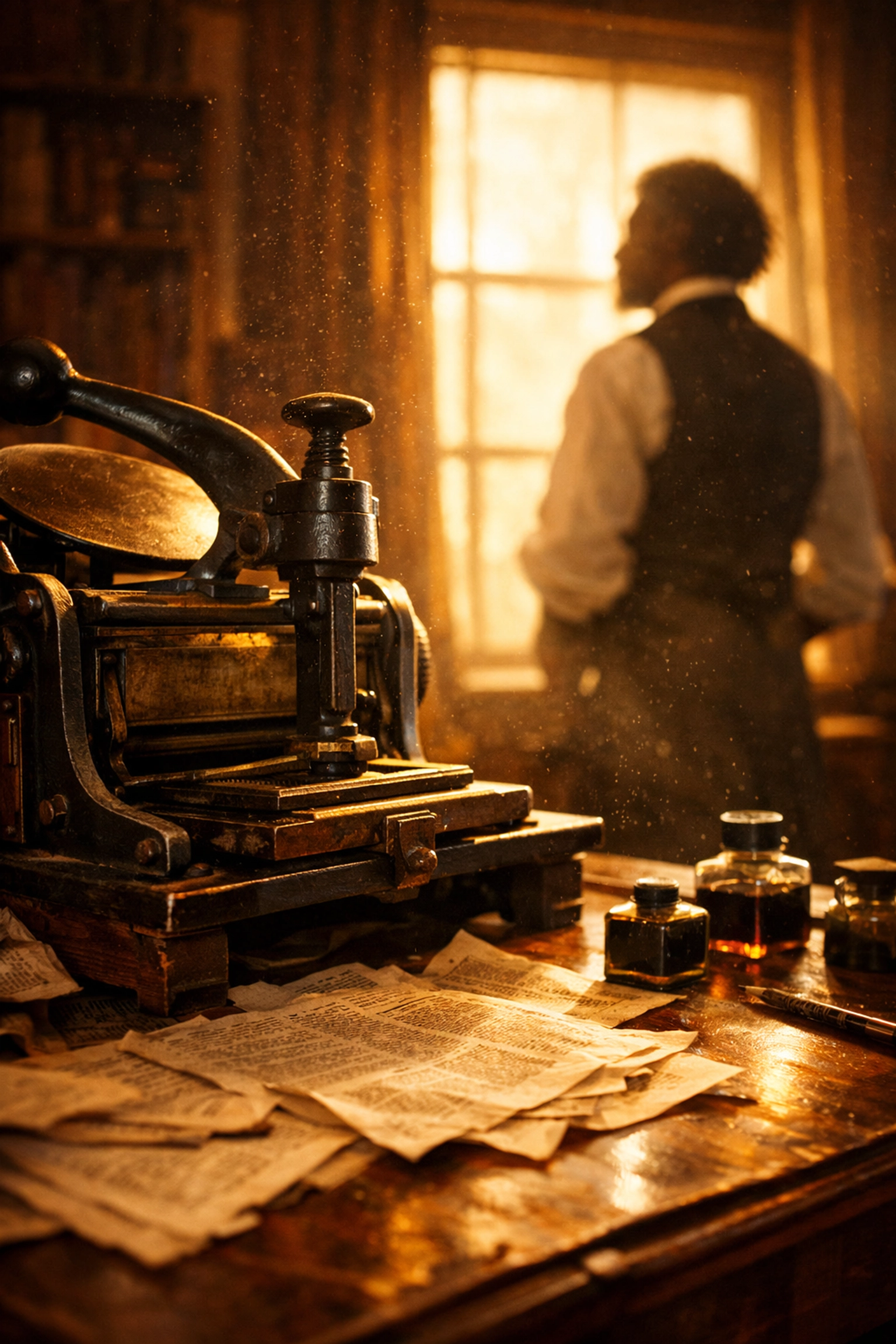
The Modern Money Move: Douglass understood that economic independence and owning your narrative go hand in hand. Today, when you support Black-owned media companies, bookstores, or content creators on platforms like Black Wall Streets, you're continuing his legacy. You're saying that Black voices deserve to own their stories AND profit from them.
Every time you buy from a Black-owned business instead of a corporate giant, you're making the same choice Douglass made: to invest in freedom, not just from oppression, but freedom to build generational wealth.
Rosa Parks: The Power of Organized Economics
We all know Rosa Parks as the woman who refused to give up her bus seat on December 1, 1955. But what many people don't talk about is what happened next: the Montgomery Bus Boycott wasn't just a protest: it was an economic strategy.
For 381 days, Black residents of Montgomery organized carpools, walked, and found alternative transportation. They refused to give their money to a system that disrespected them. The boycott cost the Montgomery bus system serious cash, proving that economic pressure could force change.
The Modern Money Move: Parks and the Montgomery community showed us that where we spend our dollars is a form of activism. In 2026, we have even more power to vote with our wallets. When you consciously choose to buyblack, you're participating in a time-honored tradition of economic solidarity.
Think about it: if an entire community redirects even a portion of their spending toward Black-owned businesses, the ripple effect is massive. More Black business owners can hire employees, invest in their neighborhoods, and create opportunities for the next generation.
George Washington Carver: Innovation Meets Enterprise
George Washington Carver wasn't just a brilliant scientist who discovered 300 uses for peanuts (though that's pretty impressive). He was an innovator who understood that knowledge should serve the community's economic interests.
Carver taught farmers in the South how to rotate crops to improve soil health and profitability. He created products from sweet potatoes, soybeans, and peanuts that could be manufactured and sold. He was essentially teaching Black farmers how to diversify their income streams and become entrepreneurs, not just laborers.
The Modern Money Move: Carver's legacy lives on every time a Black entrepreneur launches an innovative product or service. Whether it's a natural hair care line, a tech startup, or a sustainable fashion brand, Black innovators are continuing his tradition of turning ideas into economic opportunities.
When you shop at blackwallstreets.store, you're supporting modern-day Carvers: people who are creating products that serve our community while building businesses that create jobs and wealth.
Harriet Tubman: The Ultimate Networker and Community Builder
Harriet Tubman is famous for the Underground Railroad, but let's reframe what she actually did: she built a sophisticated network of safe houses, trusted contacts, and resource sharing that moved people from oppression to opportunity. She was a master strategist, a risk-taker, and someone who invested everything in helping others succeed.

The Modern Money Move: Tubman's Underground Railroad was essentially the first Black business network. Today, we need that same spirit of connection and mutual support. When Black business owners collaborate, share resources, and promote each other, we're building our own underground railroad: one that leads to financial freedom.
This is exactly what platforms like Black Wall Streets do: create a network where Black-owned businesses can thrive together, where customers can easily find and support these businesses, and where the community benefits from keeping dollars circulating within it.
Dr. Martin Luther King Jr.: Economic Justice Is Social Justice
While Dr. King is best known for his civil rights work, he was deeply committed to economic justice. He understood that you can't have true equality without economic empowerment. In fact, he was in Memphis supporting striking sanitation workers when he was assassinated: workers who were demanding fair wages and dignity in their labor.
Dr. King once said, "We must develop a federal program of public works, retraining, and jobs for all: so that none, white or black, will have cause to feel threatened… There is nothing except shortsightedness to prevent us from guaranteeing an annual minimum and livable income for every American family."
The Modern Money Move: King's vision of economic justice includes Black people not just having jobs, but owning businesses, building wealth, and having economic security. When you intentionally support Black-owned businesses, you're working toward that vision.
Every purchase is a brick in the foundation of economic equality. Every Black entrepreneur who succeeds opens doors for others. Every dollar that circulates in the Black community multiplies its impact.
Why This All Matters in 2026
Here's the real talk: these historical figures weren't just fighting for the right to sit at the table: they were fighting for the right to own the table, the restaurant, and the whole block.
According to various economic studies, money circulates in Black communities for only about six hours before leaving, compared to weeks or months in other communities. That's not because Black people don't spend money: it's because there aren't enough Black-owned businesses to keep that money circulating.

But here's where it gets exciting: we have the power to change that. Right now. Today.
Your Action Plan: Honor the Legacy by Building the Future
So how do we take these incredible legacies and turn them into action? Here's your game plan:
1. Make it a habit, not a moment. Black History Month is great, but buying Black should be a year-round practice. Start small if you need to: commit to buying from at least one Black-owned business each week.
2. Spread the word. Frederick Douglass built a newspaper to amplify voices. You have social media. Share Black-owned businesses you love. Leave reviews. Tag friends. Your network is your superpower.
3. Think beyond retail. Black-owned businesses aren't just about products. Use Black-owned service providers: accountants, lawyers, marketing agencies, web designers, caterers, you name it.
4. Invest in Black businesses. If you have the means, consider investing in Black-owned startups or using Black-owned banks and credit unions. Real wealth building comes from ownership.
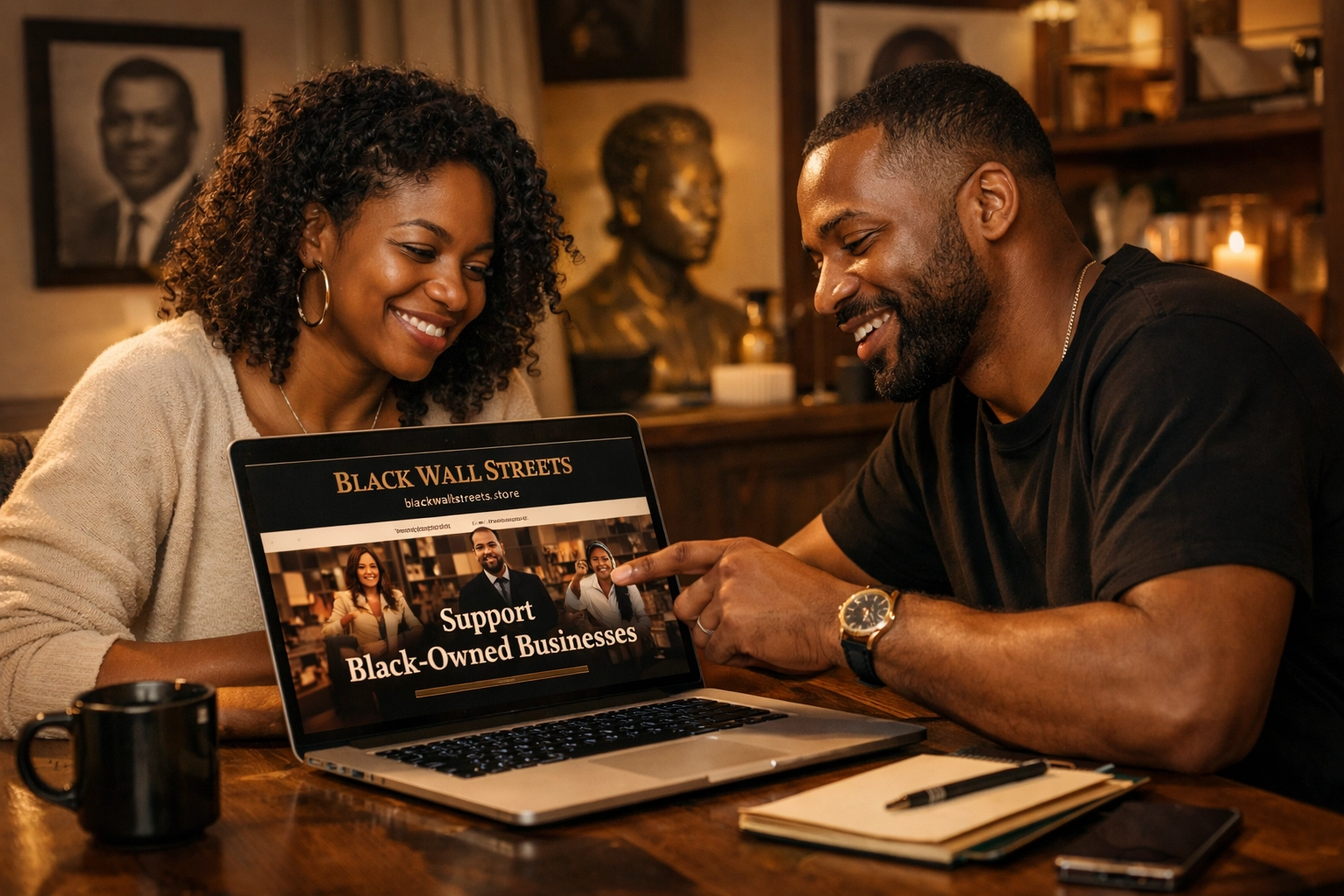
5. Start exploring. Head over to blackwallstreets.store and discover the amazing range of Black-owned businesses out there. From fashion to tech to food to beauty, there's literally something for everyone.
The Bottom Line
The people we celebrate during Black History Month weren't just historical figures: they were visionaries who understood that true freedom includes economic freedom. They built, they innovated, they organized, and they invested in their communities.
Now it's our turn.
Every time you choose to buyblack, you're honoring their legacy. You're saying that their struggle meant something. You're ensuring that the next generation has even more opportunities than we do.
So this February, and every month after, let's turn Black history into Black futures. Let's make sure that the businesses we celebrate today become the legacies we honor tomorrow.
The revolution they started? We're continuing it: one purchase, one business, one community at a time.