
Rosa Parks and the Montgomery Bus Boycott: The Original "Modern Money Move" (Buyblack Today)

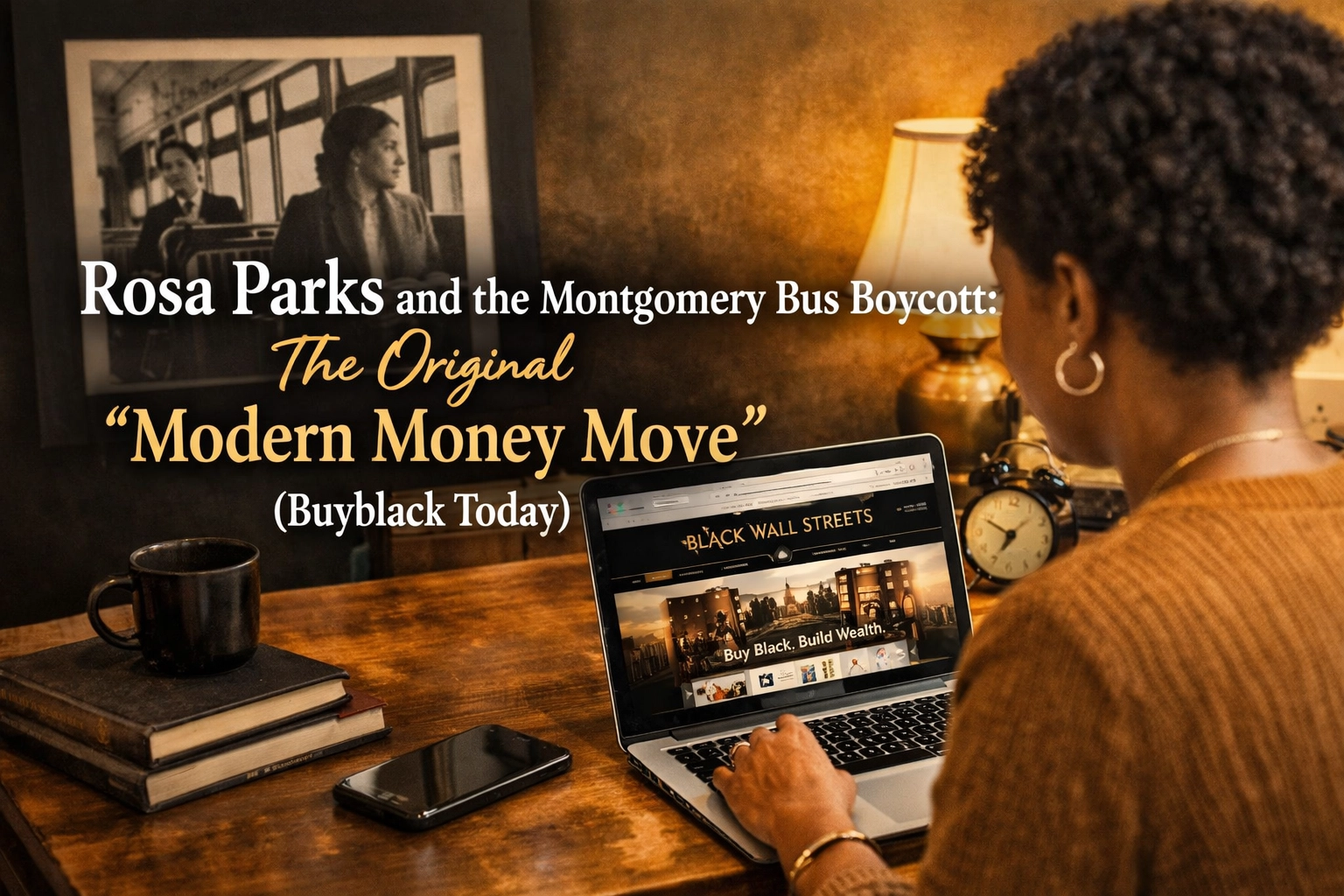
Let's be real for a second: when you think about boycotts that actually worked, the Montgomery Bus Boycott sits at the top of the list. And here's the kicker, it wasn't just about refusing to sit in the back of the bus. It was about redirecting Black dollars away from a system that refused to treat Black people like human beings. Sound familiar? That's because the power of where we spend our money hasn't changed. Rosa Parks and the thousands who walked alongside her in 1955 were doing what we're calling on our community to do right now: Buyblack.
Who Rosa Parks Really Was (Hint: Not Just a "Tired Seamstress")
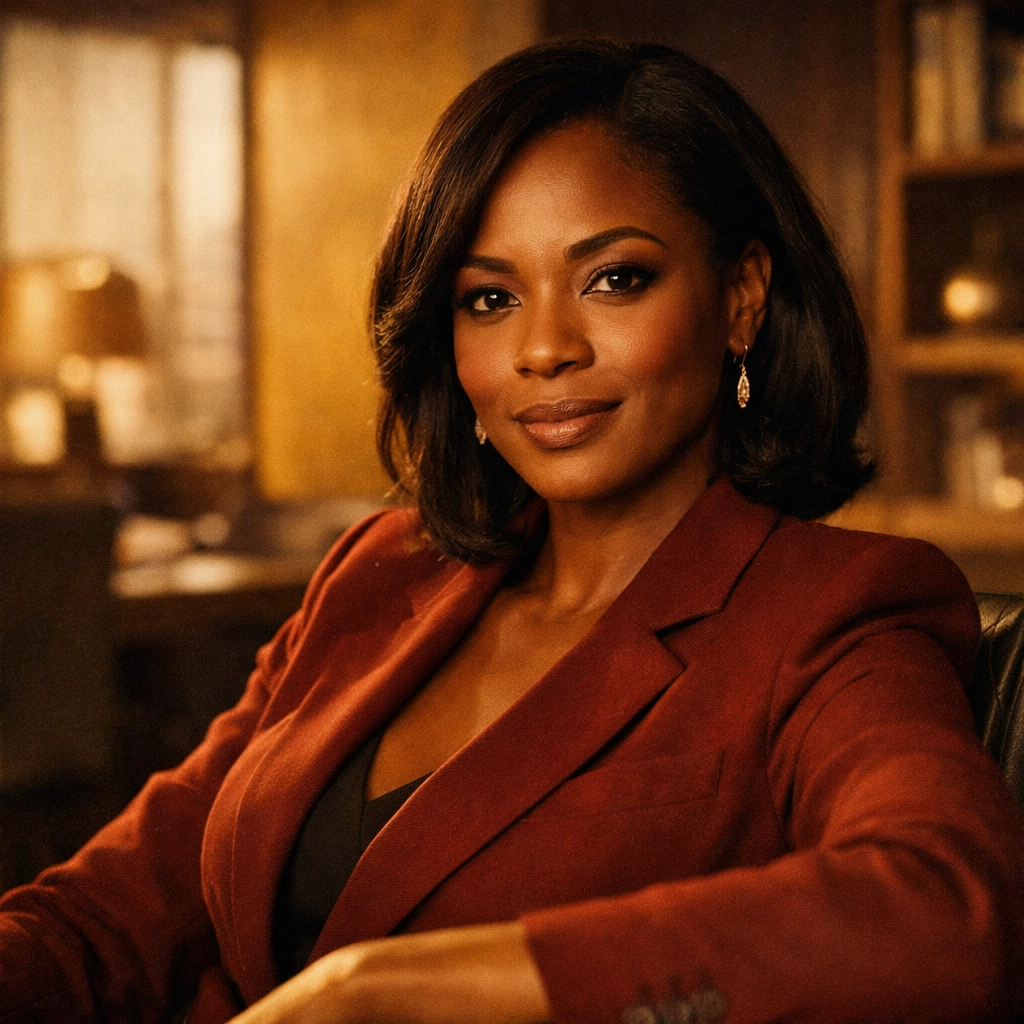
History class might've taught you that Rosa Parks was just a tired seamstress who spontaneously refused to give up her seat on December 1, 1955. But that narrative? It's incomplete at best and disrespectful at worst.
Rosa Parks was a trained civil rights organizer. She'd been working with the NAACP for over a decade before that famous day on the Montgomery bus. She attended leadership training at the Highlander Folk School, studying nonviolent resistance strategies. Parks knew exactly what she was doing when she stayed in that seat, and she understood the economic earthquake that could follow.
She wasn't acting alone, either. Parks worked closely with E.D. Nixon, Jo Ann Robinson of the Women's Political Council, and other organizers who had been waiting for the right moment and the right plaintiff to challenge bus segregation. When Parks was arrested, they mobilized immediately, recognizing this was the opportunity they'd been preparing for.
The point? Rosa Parks was strategic, deliberate, and part of a coordinated economic resistance movement. Her courage sparked something massive, but it was her community's collective economic power that actually changed the law.
The Boycott Was an Economic Weapon, And It Hit Hard
Here's where things get interesting from a dollars-and-cents perspective. Montgomery's buses depended on Black riders. Like, really depended. African Americans made up about 75% of the city's bus ridership. So when the boycott kicked off on December 5, 1955, the day of Parks's trial, the economic impact was instant.
The boycott organizers called for one day of action. But when 99% of Black riders stayed off those buses, they realized they had real leverage. So they kept going. And going. For 381 days.
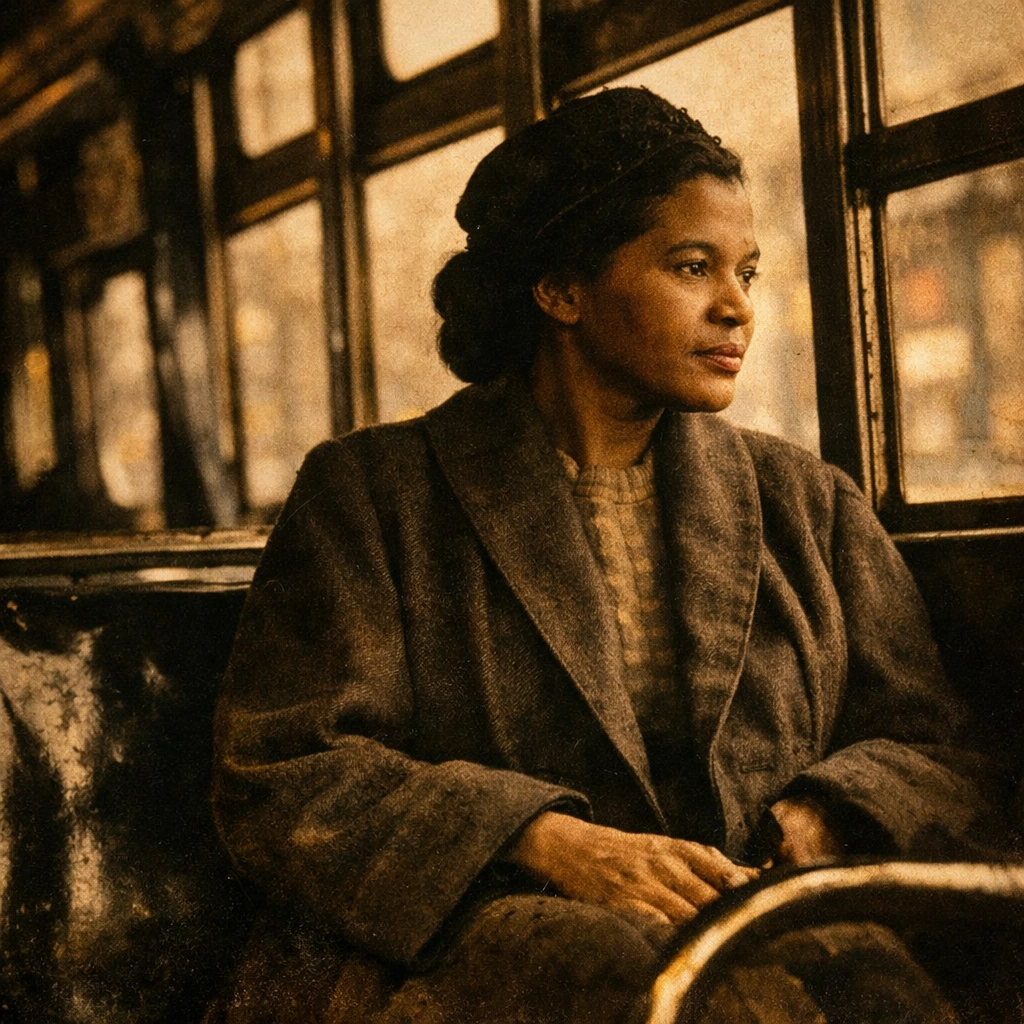
The Montgomery City Lines bus company hemorrhaged money. We're talking thousands of dollars in daily lost revenue, month after month. The city and the bus company tried everything, raising fares, threatening carpoolers, arresting organizers (including Dr. Martin Luther King Jr., who emerged as the boycott's public face). Nothing worked because the community had decided their money was going somewhere else.
Instead of riding segregated buses, Black Montgomery residents:
- Organized massive carpool networks
- Walked miles to work daily
- Created alternative transportation systems
- Supported each other financially through the hardship
The Montgomery Improvement Association, led by a young pastor named Martin Luther King Jr., coordinated this economic resistance. Their demands were clear: courteous treatment, first-come-first-serve seating, and Black drivers for predominantly Black routes. Reasonable requests that should've never required a year-long boycott, but here we were.
After 381 days of bleeding money, the system finally cracked. On November 13, 1956, the Supreme Court ruled in Browder v. Gayle that bus segregation was unconstitutional. On December 21, 1956, Rosa Parks, alongside Reverend Glenn Smiley, a white minister, rode the first integrated bus in Montgomery.
The lesson? Concentrated economic pressure from a unified Black community achieved what legal arguments alone couldn't. When we redirect our dollars intentionally, systems change.
The Modern Money Move: From 1955 to 2026
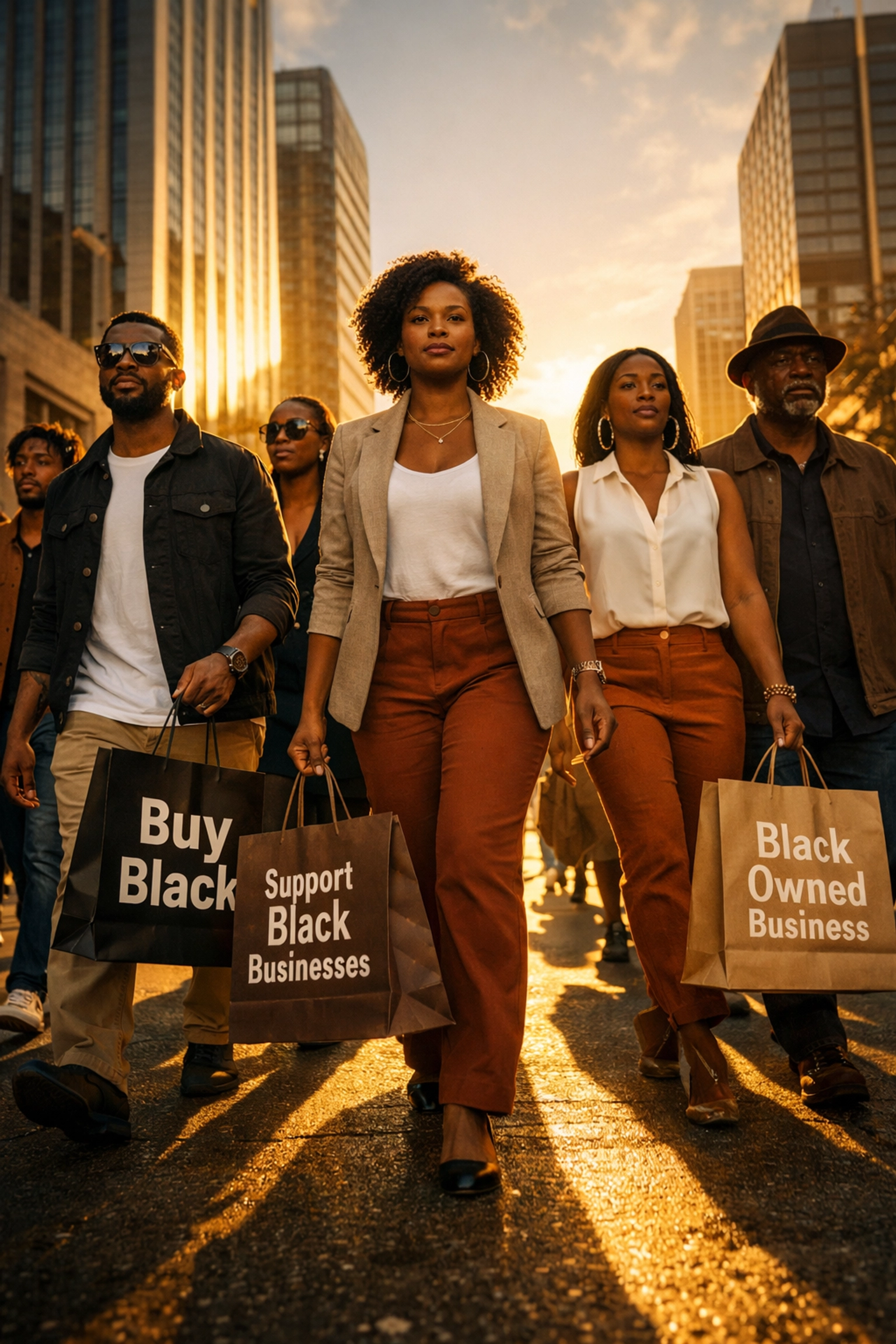
Now let's bring this home to 2026. The Montgomery Bus Boycott proved something fundamental: where Black people spend money matters. Our spending power is leverage. Our economic choices are political acts.
Today, we're not fighting segregated buses (thank goodness), but we are fighting for economic equity in a marketplace that often overlooks, undervalues, and underfunds Black-owned businesses. According to recent data, only about 2 cents of every dollar spent in America goes to Black-owned businesses, even though Black consumers represent over a trillion dollars in buying power annually.
That's not an accident. That's a system that hasn't changed nearly as much as we'd like to think since 1955.
But here's the good news: we've got the same weapon Rosa Parks and the Montgomery community wielded, our collective economic power. The "modern money move" is redirecting our dollars intentionally toward Black-owned businesses. It's choosing to Buyblack not just during Black History Month, but every single month. It's understanding that every purchase is a vote for the kind of economy we want to build.
How to Make Your Own "Modern Money Move" Right Now
So what does this look like practically? It means being as intentional about where you shop as Rosa Parks was about where she sat.
Instead of defaulting to Amazon or big-box retailers for everything, consider:
- Shopping for gifts, accessories, and everyday items at The Black Wall Streets marketplace, a platform specifically designed to connect you with verified Black-owned businesses
- Seeking out Black-owned jewelry and accessories instead of buying from corporate chains
- Building the habit of checking Black-owned options first, not as an afterthought
It's not about perfection. The Montgomery Bus Boycott participants didn't walk every single day for 381 days straight, they carpooled, they got rides, they supported each other. What mattered was the consistency and the intention. Same goes for Buyblack today.
The Ripple Effect: What Happens When We Buyblack
When you redirect your spending to Black-owned businesses, here's what happens:
Immediate impact: You're putting money directly into the hands of Black entrepreneurs, helping them pay employees, invest in inventory, and grow their businesses.
Community impact: Black-owned businesses are more likely to hire within the community, creating jobs and opportunity where they're desperately needed.
Generational impact: You're helping build Black wealth that can be passed down, invested, and used to fund the next generation of Black entrepreneurs.
Psychological impact: You're telling Black business owners their work matters. You're showing young Black kids that entrepreneurship is possible. You're proving that economic self-determination isn't just a history lesson, it's happening now.
Rosa Parks and her community understood this in 1955. They knew that 381 days of economic sacrifice would create opportunities for generations to come. And they were right.
Your Turn: Make the Move
Rosa Parks didn't wait for permission to claim her dignity. The 40,000 Black residents of Montgomery didn't wait for someone else to organize the solution. They took action with what they had: their feet, their courage, and their dollars.
You've got the same power in 2026. Every time you choose to shop at The Black Wall Streets, you're participating in economic resistance. You're saying that Black businesses deserve your dollars. You're building the kind of economy where Black entrepreneurs can thrive.
The original "modern money move" started with one woman's refusal and a community's collective economic power. The 2026 version starts with your next purchase. Head over to blackwallstreets.store and see what Black-owned businesses are creating. Your money is your vote. Your spending is your strategy.
Rosa Parks would be proud. Now let's make her sacrifice count by finishing what she started: building an economy that works for all of us, by supporting the businesses that are owned by us.
Ready to make your modern money move? Start shopping Black-owned businesses here.