
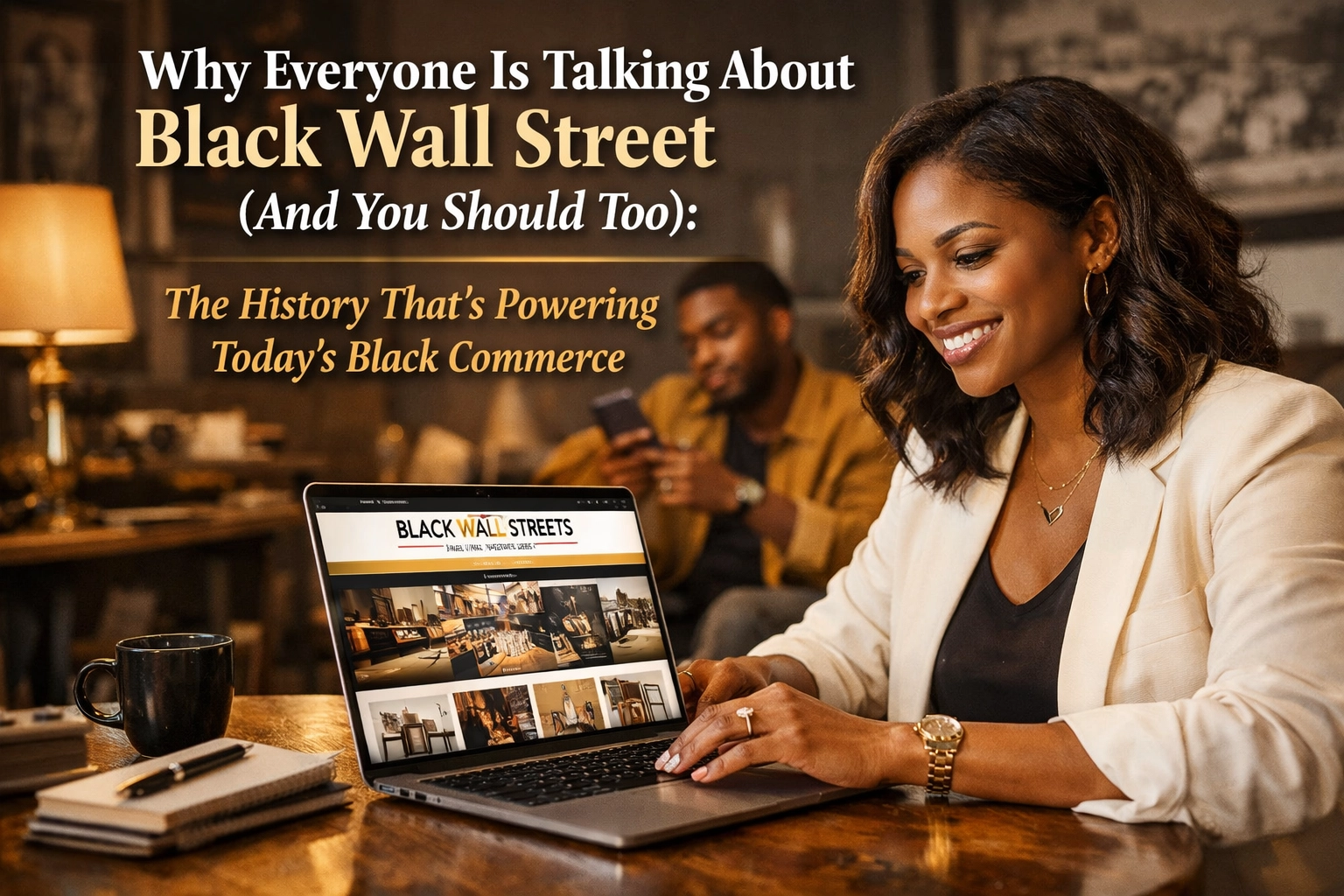
Why Everyone Is Talking About Black Wall Street (And You Should Too): The History That's Powering Today's Black Commerce

You've probably seen "Black Wall Street" trending on social media, heard it in a song lyric, or spotted it on a t-shirt. But here's the real question: do you know the powerful story behind those three words?
Black Wall Street isn't just a catchy phrase or a hashtag. It's a blueprint for economic freedom that our ancestors built over a century ago, and it's the exact model we're using today to rebuild wealth in Black communities through platforms like The Black Wall Streets.
Let's talk about why everyone from entrepreneurs to activists to your favorite influencers can't stop bringing up Black Wall Street, and why you need to understand this history to participate in the economic movement happening right now.
What Was Black Wall Street? The Real Story
In 1906, a Black entrepreneur named O.W. Gurley made a bold move. He purchased 40 acres of land in Tulsa, Oklahoma, and decided to sell it exclusively to Black settlers. This wasn't just about real estate, it was about creating a self-sustaining Black economy in a time when segregation forced our people to build their own everything.
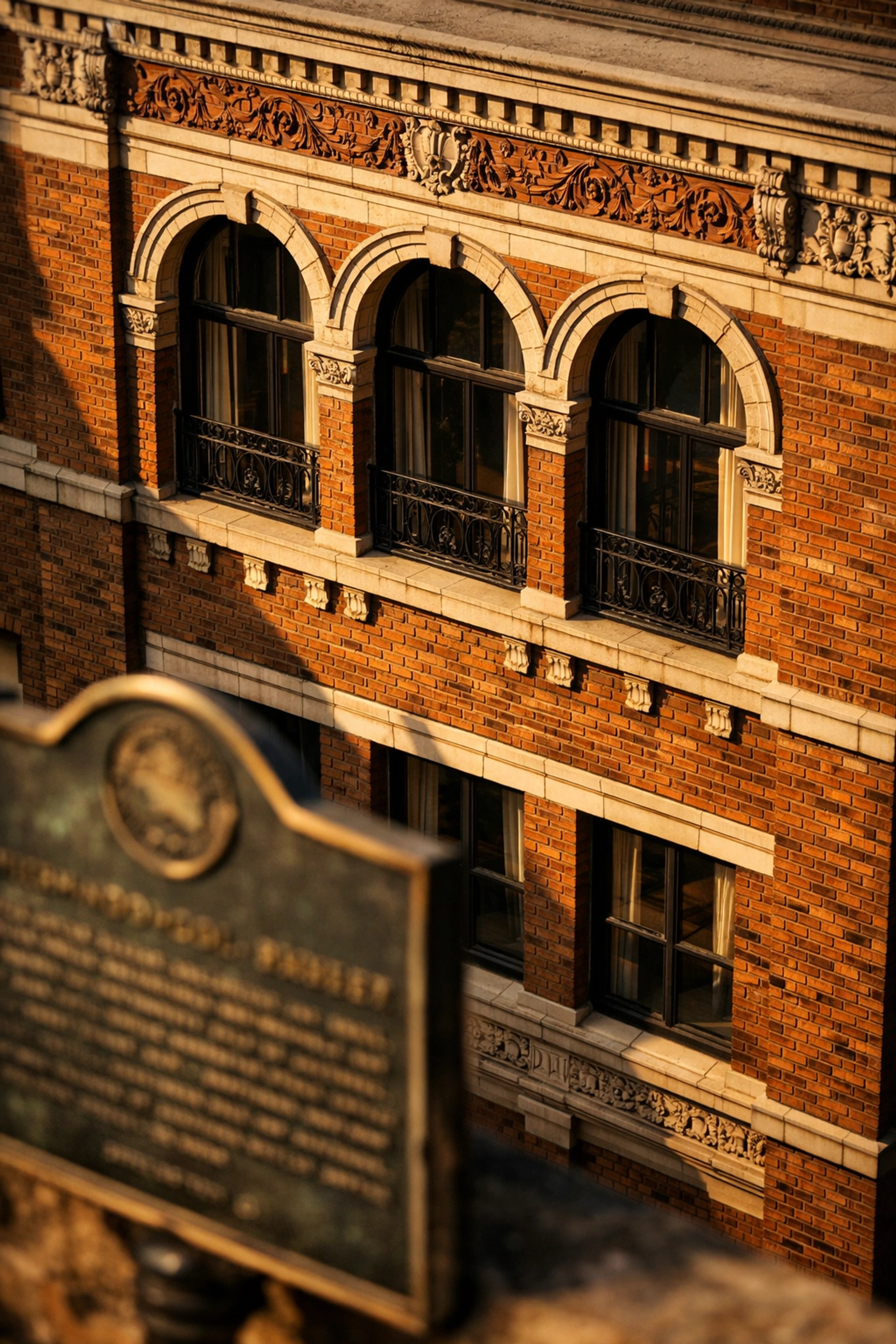
By 1920, the Greenwood District (nicknamed "Black Wall Street" by none other than Booker T. Washington himself) had exploded into one of the most prosperous African American communities in the entire United States. We're talking about 10,000 residents, over 300 Black-owned businesses, and an economic ecosystem that would make today's Silicon Valley jealous.
The district had everything: luxury hotels, movie theaters, jewelry stores, restaurants, grocery stores, and more than a dozen churches. Black doctors treated Black patients. Black lawyers represented Black clients. Black teachers educated Black children. And the money? It circulated within the community up to 36 times before leaving, creating generational wealth at a pace that seemed impossible given the times.
The Economic Model That Made Black Wall Street Unstoppable
Here's where it gets interesting, and where the lessons for today's Black commerce movement become crystal clear.
Black Wall Street didn't thrive because of luck or charity. It thrived because of an economic principle that's just as powerful now as it was then: community circulation.
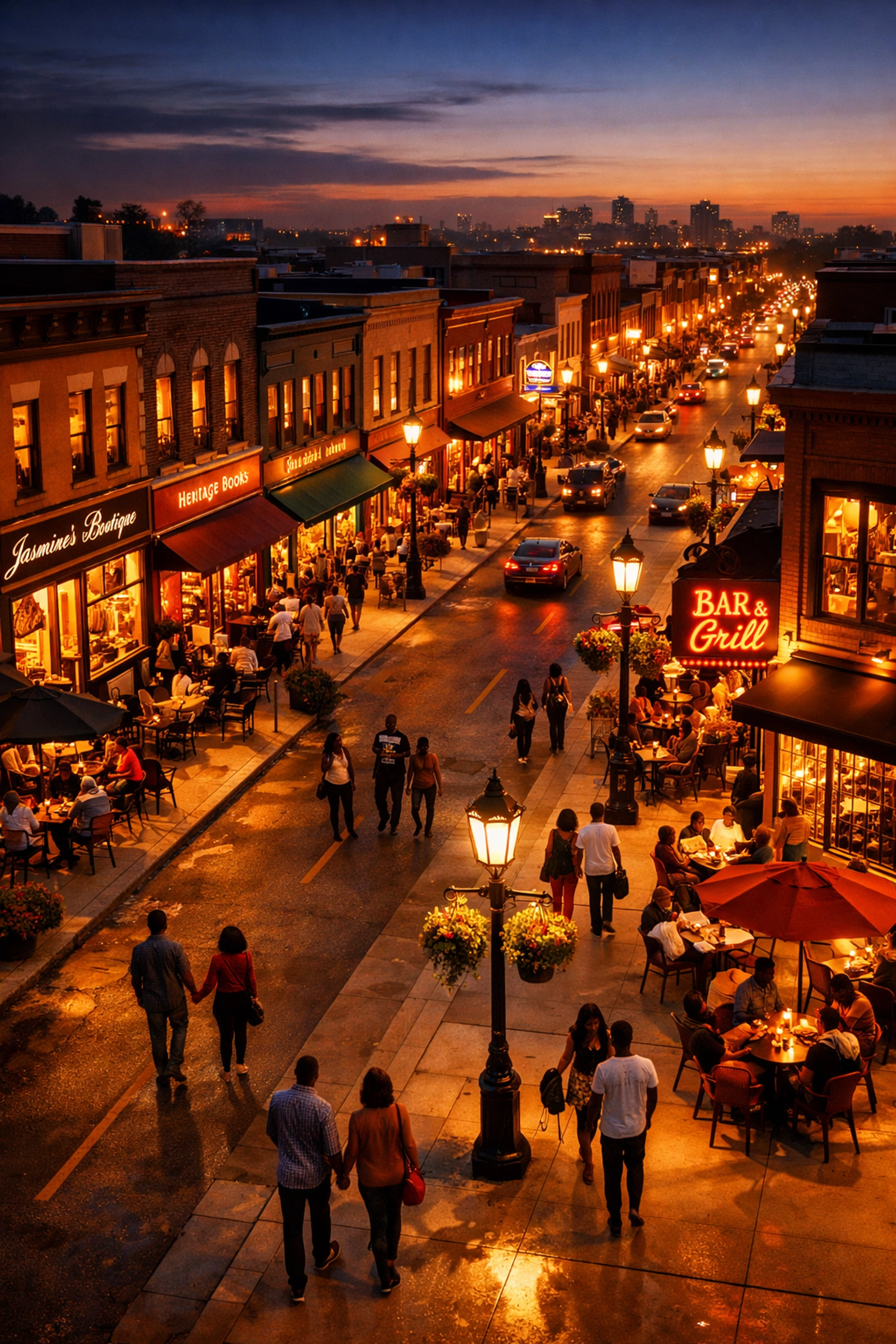
Wealthy white Tulsans hired Black employees to work in their homes and businesses. But because segregation laws prevented Black people from shopping in white-owned stores, those wages came right back into Greenwood. Black workers spent their money at Black-owned businesses. Those business owners hired more Black employees and purchased supplies from other Black vendors. The cycle kept going, multiplying wealth with each transaction.
This is the same principle that drives movements like #BuyBlack and #BankBlack today. When you spend $100 at a Black-owned business, studies show that money stays in the community and creates exponentially more economic impact than spending that same $100 at a corporation where the profits leave and never return.
Black Wall Street proved that when we support each other economically, we don't just survive, we thrive spectacularly.
The Destruction: A Story We Can't Forget
Now for the part that's harder to talk about, but absolutely necessary to understand.
On May 31 and June 1, 1921, a white mob descended on the Greenwood District in what historians now call the Tulsa Race Massacre. The violence was triggered by false accusations against a young Black man, but the real motive was jealousy and resentment toward Black prosperity.
Over the course of 18 brutal hours, mobs looted and burned 35 city blocks. They killed between 150 and 300 Black residents (the exact number may never be known). They dropped incendiary devices from airplanes, yes, actual planes bombing American citizens on American soil. The property damage would be worth approximately $31 million in today's dollars, though the true economic impact was much greater.
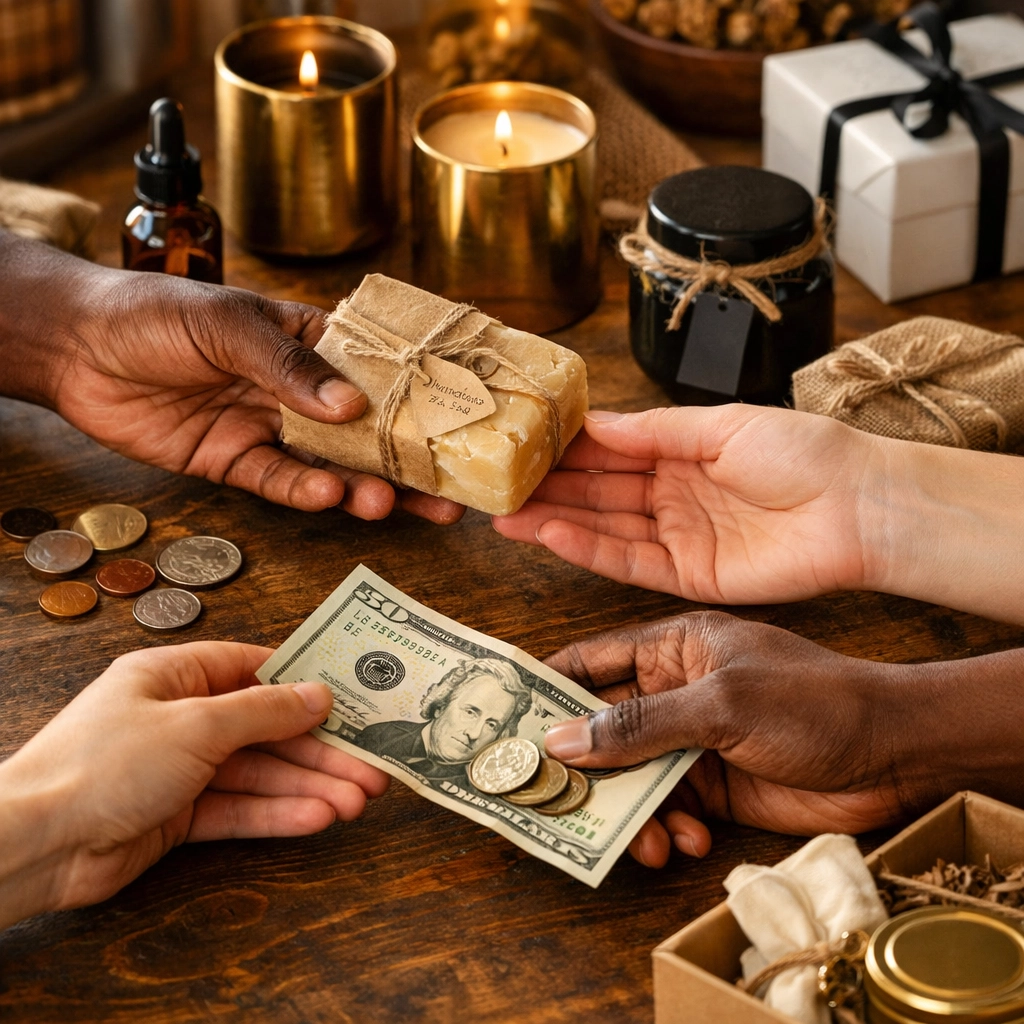
Thousands of Black Tulsans lost everything they'd built. Insurance companies refused to pay out claims. The city government refused to help rebuild. And for decades, this massacre was literally erased from history books, a shameful secret that many white Oklahomans hoped would be forgotten.
But here's what they couldn't destroy: the spirit, the blueprint, and the knowledge of what's possible when Black communities build for themselves.
Why Black Wall Street Matters More Than Ever in 2026
Fast forward to today. We're living in an era where Black entrepreneurs are launching businesses at record rates. Social media has given us the tools to find and support Black-owned brands from anywhere in the country. And platforms like The Black Wall Streets are making it easier than ever to put that Black Wall Street principle into practice.
The history of Greenwood isn't just a tragic story or a feel-good tale of Black excellence. It's a proven economic strategy that works. When Black dollars circulate in Black communities, we build wealth. When we intentionally support Black-owned businesses, we create jobs. When we prioritize economic independence, we gain the power to shape our own destinies.
Today's Black Wall Street movement isn't about recreating 1920s Tulsa. It's about applying those same principles using 21st-century tools. It's about understanding that every purchase is a vote for the kind of economy we want to build. It's about recognizing that supporting a Black-owned candle company, clothing brand, or beauty line isn't just shopping, it's economic activism.
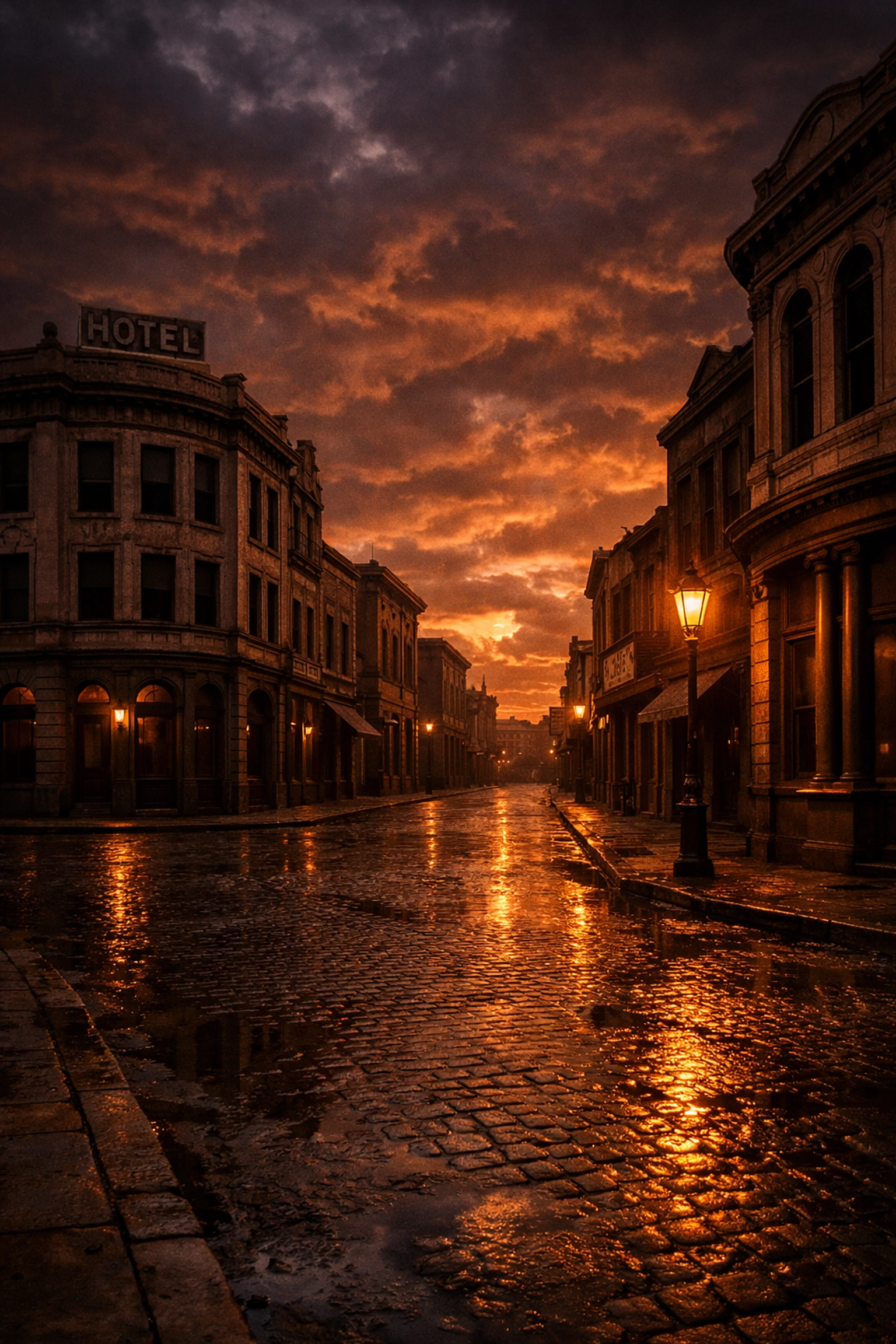
The conversations happening right now about Black Wall Street aren't nostalgia. They're strategy sessions. When activists, entrepreneurs, and everyday people invoke Black Wall Street, they're saying: "We've done this before. We can do it again. And this time, we have the internet, social media, and a global community to make it even bigger."
How You Can Be Part of the New Black Wall Street
Here's the beautiful thing about this moment: you don't need 40 acres of land or a physical storefront to participate in building the new Black Wall Street. You just need to be intentional about where you spend your money and how you support Black businesses.
Start simple. Before you make your next purchase on Amazon or at a big box store, ask yourself: "Is there a Black-owned business that sells this?" The answer is almost always yes. From home decor and luxury candles to fashion, beauty products, and everything in between, Black entrepreneurs are creating high-quality products that deserve your dollars.
Shop on platforms specifically designed to connect you with Black-owned brands. Save Black-owned businesses in your bookmarks. Follow Black entrepreneurs on social media and engage with their content. Leave reviews. Refer your friends. These small actions create the circulation that builds economic power.
And remember: this isn't about being perfect. It's about being intentional. Every dollar you redirect toward a Black-owned business is a brick in the foundation of a new economic ecosystem. You're honoring the legacy of those who built the original Black Wall Street, and you're creating opportunities for the next generation.
The Legacy Continues With You
Black Wall Street was never just about one district in Oklahoma. It was proof of concept. It was evidence that when we build for ourselves, support each other, and circulate our resources within our community, we create wealth that changes lives and rewrites futures.
The story of Greenwood is both inspiration and instruction. They showed us it's possible. They also showed us what happens when we get complacent or when we rely on systems that were never designed to support our prosperity.
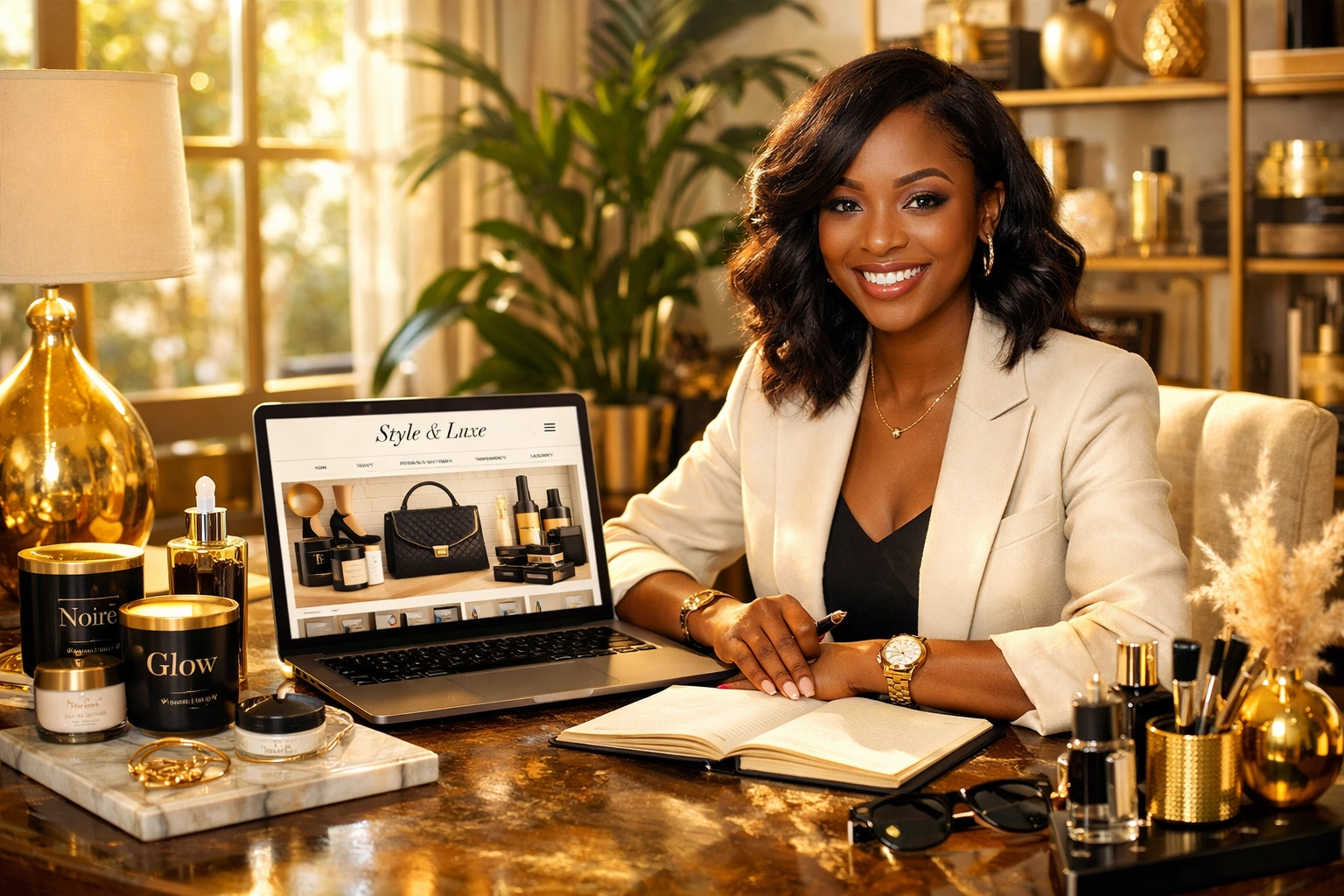
So yes, everyone is talking about Black Wall Street. And they should be. Because understanding that history gives us the blueprint for building economic freedom right now, in 2026, with the resources and connections we have today.
Your role in this movement starts with awareness and continues with action. Explore Black-owned businesses, make intentional purchases, and spread the word about the entrepreneurs who are keeping this legacy alive.
The new Black Wall Street isn't being built by one person or in one place. It's being built by thousands of conscious consumers and passionate entrepreneurs across the country, making daily decisions to support Black economic independence.
The question isn't whether you should care about Black Wall Street. The question is: how will you be part of writing its next chapter?